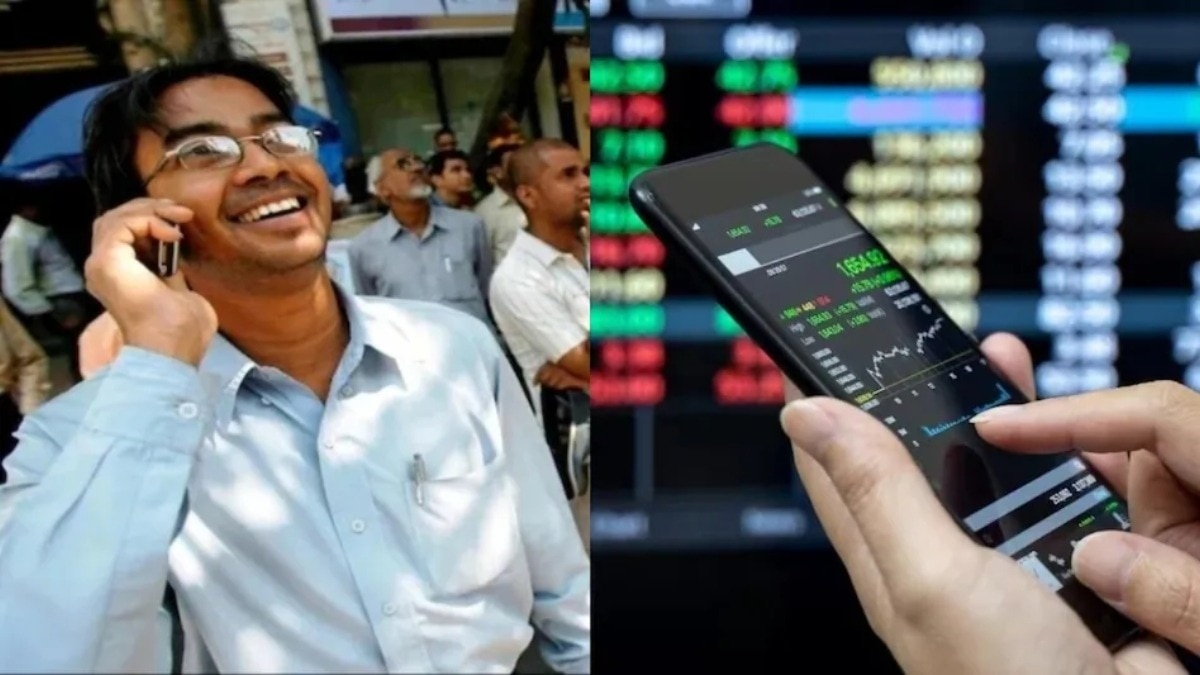
Tejas Shah of Equirus Group suggests that while SEBI's new Closing Auction Session (CAS) is a progressive step, the Indian market may not yet be mature enough for its immediate implementation.
- SEBI's CAS mechanism aims to align India with developed markets like the US and UK.
- The transition from VWAP to CAS is intended to prevent price manipulation by large players.
- Current low volumes are attributed to a 'blind spot' in the price-matching process.
- A 10-minute gap between CAS and Derivatives trading is causing market concerns.
The newly introduced Closing Auction Session (CAS) mechanism by the Securities and Exchange Board of India (SEBI) has sparked significant debate within the financial community. Tejas Shah, Director and Head of Trading at Equirus Group, has provided a nuanced perspective, describing the move as a step in the right direction that may have been implemented prematurely.
Under the previous VWAP (Volume Weighted Average Price) system, closing prices were derived from the average price over the final 30 minutes of trading. However, following incidents like the Jane Street case, concerns arose that large institutional players could tilt the VWAP in their favor by executing massive orders during the closing moments. The CAS mechanism is designed to mitigate this by adopting a more democratic auction-based approach used in global markets.
Why This Matters
BozokMedia analysis shows that the shift to CAS represents a fundamental change in how liquidity and price discovery function in India. While the intention is to create a fairer playing field, the transition period is marked by uncertainty. The mismatch between the underlying cash market and the derivatives market remains a critical structural vulnerability.
'The Closing Auction Session is still evolving, so it would be difficult to compare it with the previous VWAP system.' - Tejas Shah
One of the primary challenges currently facing the CAS is the notable lack of trading volume. Shah explains that the price-matching mechanism operates 'behind the scenes' for a window of 5-7 minutes, creating a 'blind spot' for traders. Without certainty on execution prices, major participants like arbitrage and proprietary trading firms are staying on the sidelines to avoid unhedged risks.
CAS vs. VWAP Comparison
| Feature | Old VWAP System | New CAS System |
|---|---|---|
| Price Determination | 30-minute weighted average | Auction-based matching |
| Manipulation Risk | Higher (via large end-of-day trades) | Lower (more democratic) |
| Market Maturity | Well-established in India | Evolving/New |
Furthermore, a significant structural gap exists: while the CAS concludes at 3:30 PM, derivative trading continues until 3:40 PM. This 10-minute window allows for potential wild swings in the F&O segment while the underlying stocks are no longer actively traded, creating a disconnect that market participants are urging SEBI to rectify.
Frequently Asked Questions
1. Why is the volume low in the new CAS system?
Traders are cautious due to the 'blind spot' in price matching and the lack of visibility regarding order execution certainty.
2. How does CAS prevent market manipulation?
By using an auction mechanism rather than a time-weighted average, it becomes much harder for single large trades to disproportionately influence the closing price.