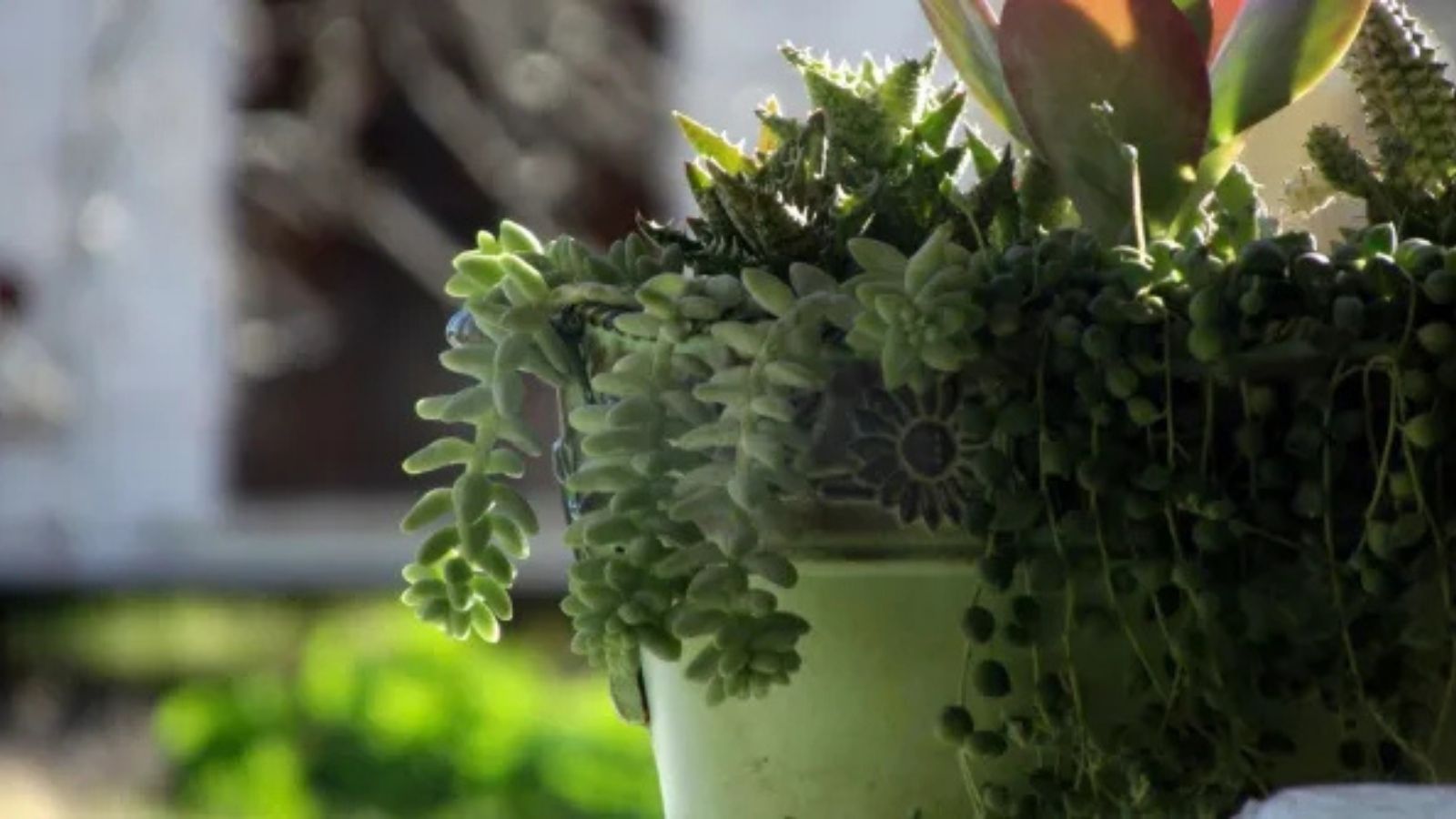
Researchers at BAIF's Rural Innovation Centre are transforming spineless cactus into a multi-purpose '5F' crop, spanning food, fuel, fodder, fertilizer, and fashion.
- Spineless cactus is highly drought-tolerant and thrives in poor soil.
- It is being developed as a '5F' crop: Food, Fuel, Fodder, Fertilizer, and Fashion.
- New technology allows for the production of high-value vegan leather from cactus.
At the BAIF Rural Innovation Centre (BRIC) in Uruli Kanchan, Pune, scientists are unlocking the hidden potential of a plant once dismissed as a mere desert inhabitant. The spineless cactus is being repositioned not just as a survival plant, but as a lucrative 'green gold' for farmers facing climate uncertainty.
The core strategy involves developing the cactus as a '5F' crop—a versatile resource providing Food, Fuel, Fodder, Fertilizer, and Fashion. This approach is designed to revitalize degraded lands and provide multiple income streams for farmers in rainfed regions.
Why This Matters
BozokMedia analysis shows that as global water scarcity intensifies, shifting focus toward xerophytic (drought-resistant) crops is no longer optional but essential for agricultural resilience and economic stability in marginal lands.
Spineless cactus is capable of growing in poor soils and uneven terrain where conventional crops may not be viable.
Livestock and Bioenergy Potential: One of the most immediate benefits is as high-quality livestock fodder. In regions like Uruli Kanchan, where annual rainfall is limited to 600mm, cactus provides critical biomass when traditional fodder fails. Furthermore, the plant's energy potential is massive; trials indicate that 1 kg of dry organic matter can produce approximately 360 liters of biogas with a methane content of 55-70%.
The Fashion Frontier: Perhaps the most surprising application is in the luxury and lifestyle markets. BAIF has established a production unit for cactus-based bio-leather (vegan leather). This sustainable material is already being used to manufacture high-value items like laptop bags, wallets, and belts, bridging the gap between marginal farming and global fashion trends.
Historical Background
Historically, cactus cultivation was limited to boundary marking or minimal grazing. However, the global push for sustainable, cruelty-free materials and renewable energy has catalyzed scientific research into the plant's complex biochemical properties, leading to its current multi-industry potential.
| Feature | Conventional Crops | Spineless Cactus |
|---|---|---|
| Water Requirement | High | Extremely Low |
| Soil Suitability | Requires Fertile Soil | Thrives in Degraded/Poor Soil |
| Economic Utility | Single/Limited Use | Multi-industry (5F) |
Frequently Asked Questions
1. Is cactus leather environmentally friendly?
Yes, it is a vegan, bio-based alternative to animal leather that requires significantly less water and land.
2. How does the government support this initiative?
The Government of India promotes cactus through the Watershed Development Component of PMKSY, providing Viability Gap Funding (VGF).