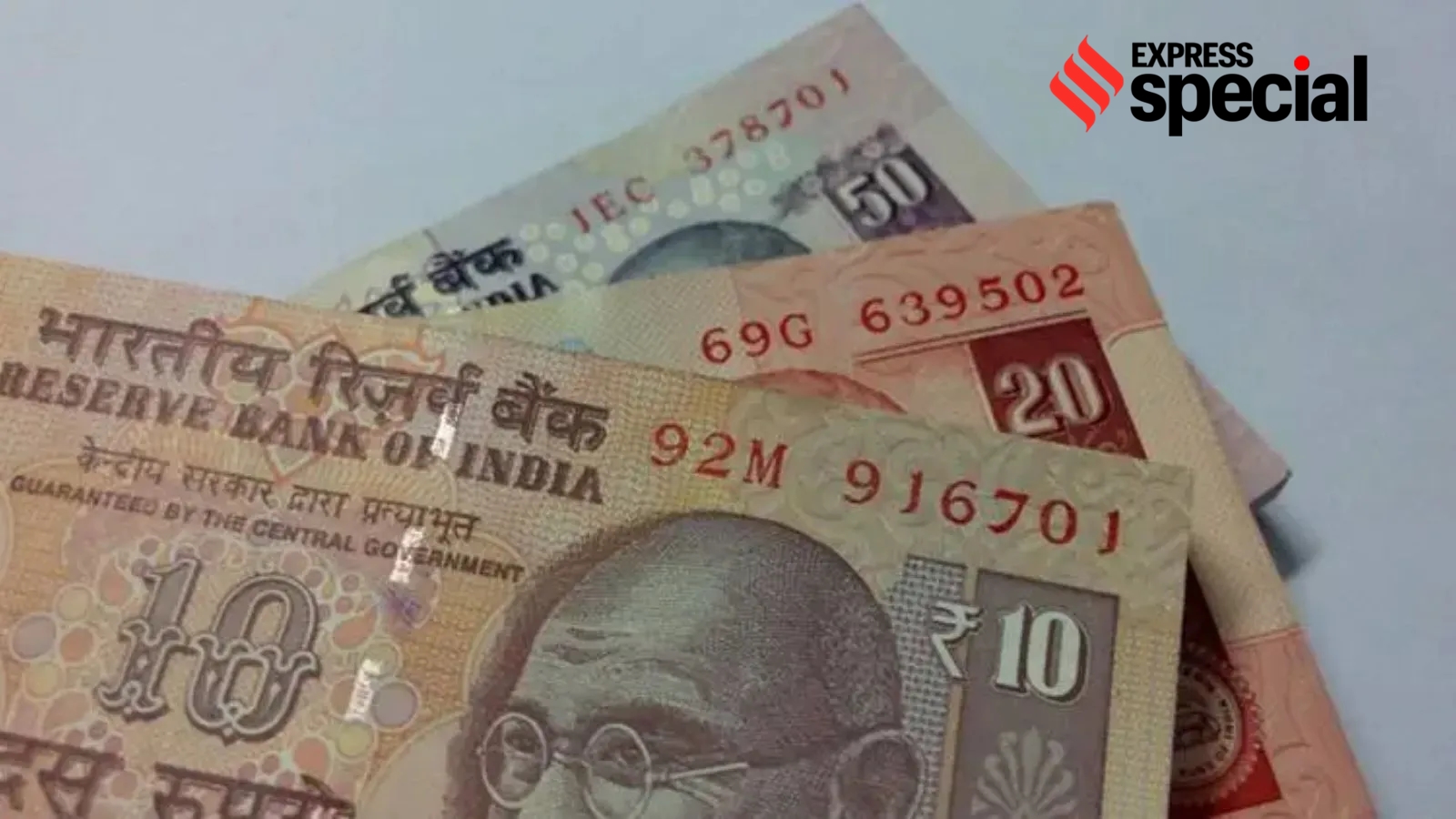
As India moves toward introducing low-denomination polymer notes, bidders must comply with strict integrity pacts, including total separation from China/Pakistan operations and zero animal tallow content.
- Bids have been received from major global and Indian firms for polymer substrate sheets.
- Companies must sign an integrity pact ensuring a 'firewall' between Indian operations and those in China or Pakistan.
- Mandatory certification is required to ensure no animal tallow or DNA is present in the polymer.
- The transition is expected to begin with Rs 10 and Rs 20 denominations.
India is inching closer to a significant overhaul of its currency system with the potential introduction of low-denomination polymer (plastic) banknotes. The Bharatiya Reserve Bank Note Mudran (P) Ltd (BRBNMPL), a subsidiary of the Reserve Bank of India, has received bids from several international and domestic players for the supply of polymer substrate sheets featuring advanced security elements.
In a move to safeguard national interests, the bidding process has been wrapped in stringent security protocols. Bidders are required to enter into an 'integrity pact' and a confidentiality contract. Most notably, companies must provide an undertaking that they will maintain a strict 'firewall' between their operations in India and any of their business activities in China or Pakistan. This is designed to mitigate geopolitical risks and protect the integrity of India's monetary supply chain.
Why This Matters
BozokMedia analysis shows that this move is a strategic masterstroke by the RBI. By enforcing geopolitical firewalls and religious compliance, the central bank is addressing two of the most sensitive aspects of Indian public policy: national security and socio-religious harmony. This ensures that the transition to durable polymer currency does not create vulnerabilities in the supply chain or social unrest.
Securing the currency supply chain from geopolitical interference is as critical as the security features printed on the notes themselves.
Furthermore, the RBI has addressed potential social controversies by mandating that the polymer substrate must contain zero animal tallow or its DNA. This decision follows global precedents where the presence of animal-derived substances in banknotes caused significant public outcry. By proactively addressing this, the RBI aims to ensure seamless acceptance across India's diverse demographic.
The competitive landscape includes the UK-based giant De La Rue, working in partnership with Indian substrate exporter Cosmo First. Other major contenders include Australia's CCL Secure, which serves 40 central banks, and Vietnam's Q&T Hi-tech Polymer Company Limited. The competition highlights the global scale of the shift toward more durable, polymer-based currency.
| Feature | Cotton-Based Paper | Polymer Substrate |
|---|---|---|
| Durability | Lower (Prone to wear/tear) | High (6x longer lifespan) |
| Security | Standard Features | Advanced/Integrated Features |
| Environmental Impact | Higher Resource Intensity | Cleaner and Greener |
Frequently Asked Questions
1. Which denominations will be replaced by polymer first?
The RBI is currently proposing to introduce polymer banknotes initially for the Rs 10 and Rs 20 denominations.
2. Why is the 'firewall' against China and Pakistan necessary?
It is a security measure to ensure that the production and supply of India's currency are not influenced or compromised by entities operating in those regions.