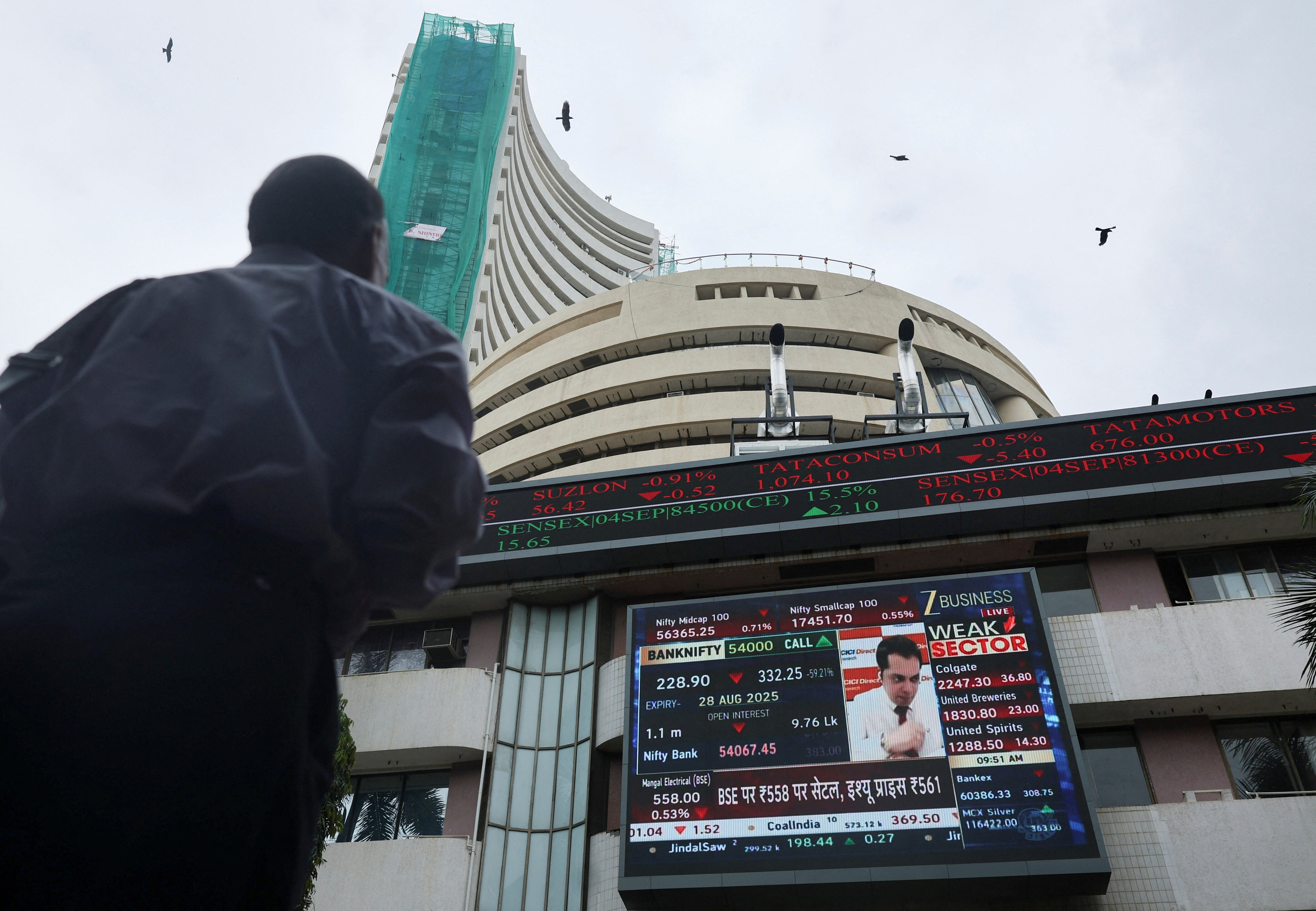
Six months into the Iran conflict, a stark economic divide has emerged. While defense and energy investors see record gains, global consumers are struggling with soaring inflation and rising living costs.
- Defense and energy sector stocks have surged, benefiting institutional investors.
- Consumers face increased costs for fuel and basic commodities.
- Global supply chain disruptions are driving systemic inflation.
Half a year into the conflict involving Iran, the economic fallout has revealed a profound disparity in wealth distribution. According to reporting by AP News, the war has acted as a catalyst for certain financial sectors while simultaneously eroding the purchasing power of the average global citizen. This uneven toll highlights the volatile nature of modern geopolitical economies.
Market data indicates that defense contractors and energy conglomerates have experienced a windfall. As nations accelerate their military spending to counter regional threats, the demand for weaponry and surveillance technology has skyrocketed. Simultaneously, the volatility in crude oil prices has allowed strategic investors to capitalize on market swings, leading to significant portfolio growth.
Why This Matters
BozokMedia analysis shows that we are witnessing a textbook 'War Economy' dynamic. In times of global instability, capital migrates toward strategic assets and 'safe havens.' This creates a dangerous socioeconomic gap where the financial elite profit from instability, while the working class pays the 'conflict tax' through higher prices at the pump and the grocery store.
"Economic warfare is not fought on borders, but in the margins of market prices and the erosion of consumer purchasing power."
Historically, conflicts in the Middle East have served as primary triggers for global energy shocks. Much like the 1973 oil crisis, current tensions have disrupted shipping lanes and increased insurance premiums for maritime trade. This ripple effect increases the landing cost of goods worldwide, fueling a persistent inflationary trend that central banks are struggling to curb.
| Affected Group | Economic Impact | Primary Driver |
|---|---|---|
| Institutional Investors | Positive (Gain) | Rise in Defense/Energy Equities |
| General Consumers | Negative (Loss) | Fuel and Food Inflation |
| Logistics Firms | Mixed | Higher Rates vs. Increased Risk |
Looking forward, the sustainability of this economic trend depends on diplomatic resolution. If the conflict persists or escalates, the risk of a prolonged stagflationary environment increases, where economic growth remains stagnant while inflation continues to climb due to external shocks.
Frequently Asked Questions
1. How has the conflict impacted oil prices?
Fear of supply disruptions and geopolitical instability has led to increased volatility and upward pressure on crude oil prices.
2. Why are consumers paying more if the war is regional?
Because energy is a foundational input for almost all goods; higher fuel costs increase transportation and production expenses globally.