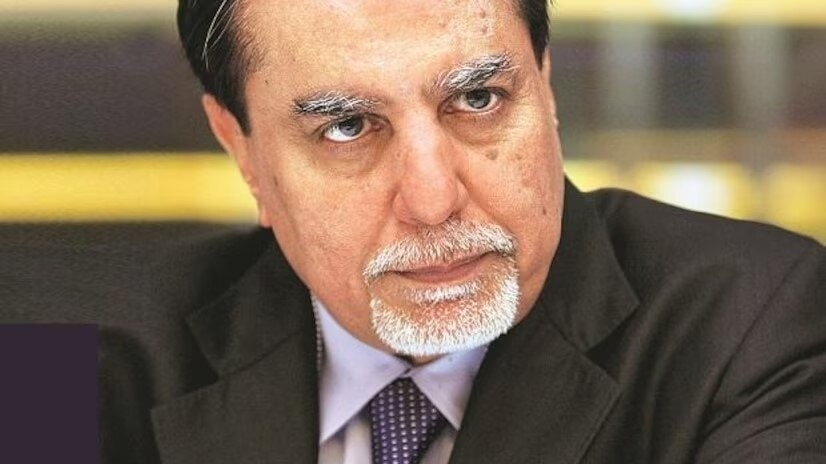
Essel Group Chairman Subhash Chandra has addressed the controversy surrounding the ₹22,000-crore figure in his insolvency case, stating that the amount pertains to personal guarantees rather than personal loans.
- Subhash Chandra asserts his personal borrowing stands at zero.
- The ₹22,000 crore figure relates to personal guarantees provided for corporate loans, not direct personal debt.
- The controversy stems from an NCLT resolution plan involving ₹22,006 crore in claims versus a ₹6.5 crore settlement proposal.
Essel Group Chairman Subhash Chandra has moved to dispel growing misconceptions regarding the ₹22,000-crore figure linked to his ongoing personal insolvency proceedings. Taking to social media platform X, Chandra addressed the viral narratives and hashtags like #PaiseVapasKaro, stating that there is a significant "wrong perception and understanding" of the actual financial structure involved.
Chandra explicitly denied having personally borrowed the massive sum of ₹22,000 crore from banks or financial institutions. Instead, he clarified that the figure represents personal guarantees he provided to secure loans for various borrowing entities under the Essel Group umbrella.
Breaking Down the Numbers
According to Chandra's detailed account, the borrowing entities originally received approximately ₹4,808 crore. Of this amount, roughly ₹3,803 crore has already been repaid, leaving an outstanding principal of about ₹998 crore. However, lenders have filed claims totaling approximately ₹5,311 crore in the personal insolvency proceedings.
"My borrowing is Rs 0," Subhash Chandra stated in his formal clarification.
Why This Matters
BozokMedia analysis shows that this case highlights the critical legal distinction between direct corporate borrowing and personal guarantees. In the Indian regulatory landscape, a promoter's personal guarantee can turn a corporate default into a personal liability, often leading to massive discrepancies between actual loan amounts and total legal claims filed by creditors.
The discrepancy between the original loans and the massive claims is further compounded by the fact that multiple lenders extended credit to various entities, all backed by Chandra's single guarantee. This multi-layered debt structure contributes to the inflated perception of his personal debt.
Frequently Asked Questions
1. What is the core of the dispute in Subhash Chandra's case?
The dispute involves an NCLT order where Chandra is proposed to pay ₹6.5 crore against total claims amounting to approximately ₹22,006 crore.
2. Why is the claim amount so much higher than the actual loan?
The higher figure is due to the cumulative value of personal guarantees provided for multiple entities and the involvement of various lenders.

