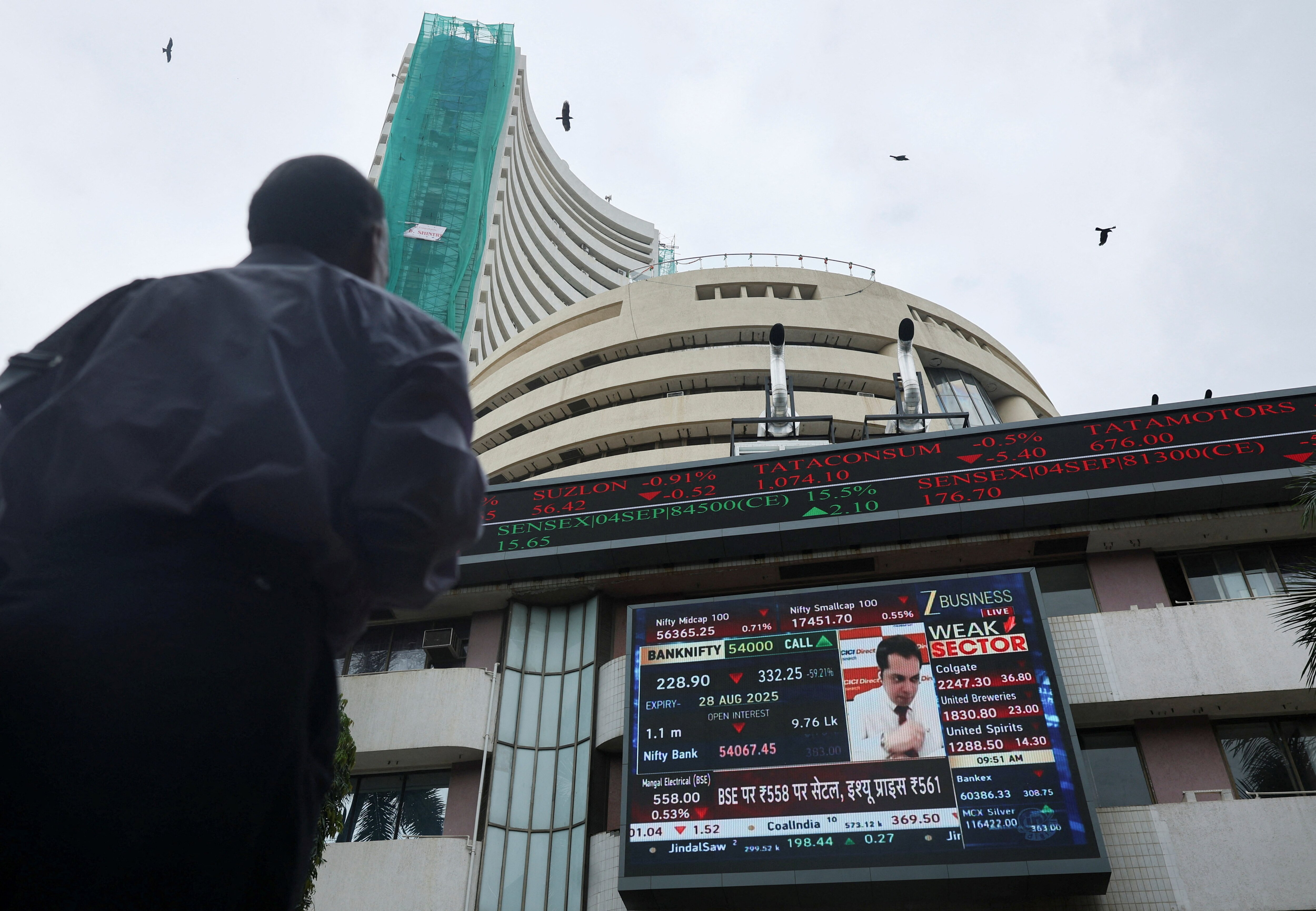
Shares of Adani Group companies witnessed a sharp decline following the MSCI index addition and exclusion deadline. Adani Enterprises and Adani Ports led the slide amidst global portfolio recalibrations.
- Adani Enterprises shares plummeted by approximately 6.5% to 7%.
- The decline is attributed to the MSCI Global Standard Index review and weightage recalibration.
- Adani Energy Solutions was added to the index, triggering significant fund flow adjustments.
On Monday, August 31, 2026, the Adani Group witnessed a severe sell-off across its listed entities. The market volatility surfaced immediately following the index addition and exclusion deadline set by MSCI, a global index service provider. The recalibration of weights among existing members has led to a sharp correction in several key stocks.
According to industry reports, the MSCI review led to the inclusion of Adani Energy Solutions, alongside Lenskart Solutions and Laurus Labs, into the Global Standard Index. While inclusions typically attract inflows, the simultaneous recalibration of weights for existing members often triggers immediate selling pressure as passive funds and ETFs adjust their holdings to mirror the new benchmark.
Detailed Stock Performance
The carnage was most evident in Adani Enterprises, which hit an intraday low of ₹2,960, marking a 6.5% drop. Adani Ports and Special Economic Zone followed suit, slipping 3% to ₹1,656. Other entities like Adani Power and Adani Green Energy also traded over 3% lower, reflecting a broader sentiment of volatility across the conglomerate.
| Company Name | Decline (%) | Intraday Low (₹) |
|---|---|---|
| Adani Enterprises | ~6.5% - 7% | 2,960 |
| Adani Ports | 3% | 1,656 |
| Adani Energy Solutions | 5% | 1,521.10 |
| Adani Power | 3% | 206.40 |
Why This Matters
BozokMedia analysis shows that the Adani Group's valuation is increasingly tied to global institutional benchmarks rather than just domestic infrastructure growth. The sensitivity to MSCI's weightage changes highlights the group's reliance on foreign institutional investors (FIIs). When passive funds—which manage trillions of dollars—rebalance their portfolios, it creates artificial price pressure that can overshadow operational strengths in the short term.
"Index rebalancing events are often noise in the long-term narrative, but they expose the liquidity and volatility risks inherent in high-beta stocks."
Historical Background
The group has faced significant headwinds over the last four years, most notably the 2023 short-seller episode and subsequent US regulatory scrutiny. However, analysts from Bernstein have noted that the settlement of US SEC cases and the dropping of certain charges have removed a major overhang. Despite this, many stocks continue to trade below their pre-crisis peaks, leaving them vulnerable to sudden market swings.
Frequently Asked Questions
1. Why did Adani stocks fall despite some being added to the MSCI index?
While additions bring inflows, the overall 'recalibration' of weights for existing stocks can lead to outflows if the index provider reduces the relative importance of those stocks.
2. Is the Adani Group still under US investigation?
Recent reports suggest that many of the major US regulatory hurdles and SEC-related cases have been settled or dropped, though market sentiment remains cautious.