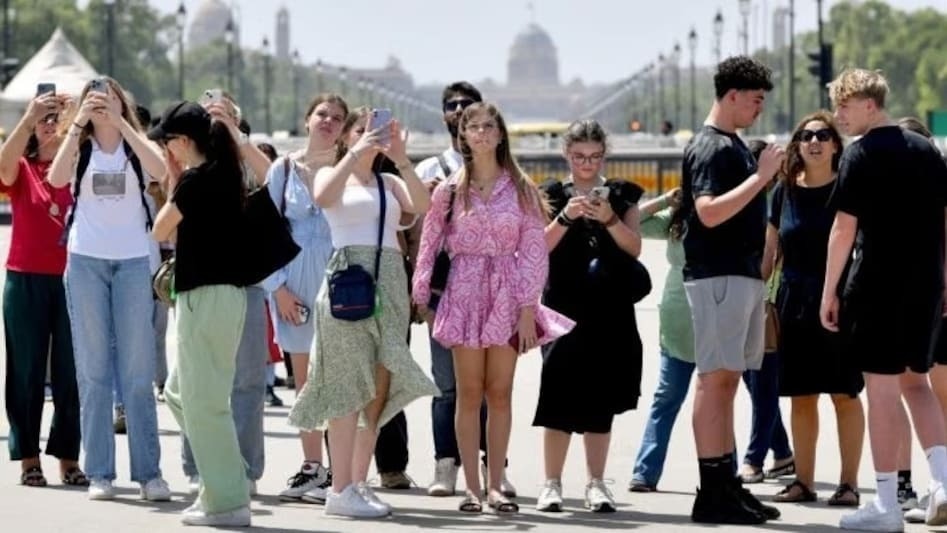
Despite its vast cultural and spiritual wealth, India is witnessing a decline in international tourist arrivals. Factors like safety concerns and bureaucratic hurdles are pushing travelers toward smaller competitors.
- Foreign tourist arrivals dropped by 8.1% to 9.15 million, 16% lower than 2019 levels.
- Small nations like Albania are outperforming India in attracting international visitors.
- Key deterrents include tourist scams, safety concerns, and complex visa regulations.
- Domestic tourism has surged by 46%, shifting the industry's focus toward local travelers.
India possesses some of the world's most iconic landmarks, from the Taj Mahal to the spiritual hubs of Varanasi and the royal landscapes of Rajasthan. However, this cultural capital is not translating into tourist numbers. According to a report by Bloomberg, foreign tourist arrivals fell to 9.15 million last year, a significant dip compared to the 10.9 million recorded in 2019.
The most startling revelation is that Albania, a country with a population of less than 3 million, has managed to attract more foreign tourists than India in certain metrics. This highlights a critical gap between having attractions and providing a seamless, safe visitor experience. While nearly half of the visitors came from North America and Europe, the overall trend remains downward.
Why This Matters
BozokMedia analysis shows that India is currently suffering from a 'brand perception' crisis. While the domestic market is booming, the failure to secure the international tourist experience creates a long-term economic void. When tourists encounter scams or bureaucratic friction, it creates a negative ripple effect globally, making India a 'once-in-a-lifetime' destination rather than a repeatable one.
Industry insiders and travelers point to systemic issues. Reports of tourist scams are rampant, with visitors often being misled by fake government agencies. For instance, American traveler Casey Volanth recounted an experience where she and her mother were targeted by a fraudulent office posing as a government agency for train bookings. Such incidents tarnish the image of Indian hospitality.
"The actual number of foreign leisure tourists is likely only 2 to 3 million; the rest include those visiting for medical treatment or family reasons." - Ravi Gosain, President of the Indian Association of Tour Operators.
Interestingly, the industry is pivoting toward the domestic market. Domestic travel surged by 46% last year, reaching 4.29 billion trips. This growth is driven by rising disposable incomes and a renewed interest in spiritual tourism. However, this shift has inadvertently increased costs for foreign tourists, as services are now priced to meet the demands of the booming domestic segment.
A report by NITI Aayog further emphasizes the financial loss, stating that India's foreign tourism earnings of $35 billion lag behind smaller markets like Turkey, Thailand, and Saudi Arabia. This is particularly concerning given India's superior diversity in cultural and experiential tourism.
| Factor | India | Competitors (Thailand/Turkey) |
|---|---|---|
| Cultural Diversity | Extremely High | Moderate to High |
| Visa Process | Complex/Time-consuming | Simplified/E-visa focused |
| Tourist Safety/Experience | High reports of scams | Structured Tourism Framework |
| Tourism Revenue | $35 Billion (Lower) | Highly Competitive |
Frequently Asked Questions
1. Why are foreign tourist numbers declining in India?
The primary reasons include safety concerns, prevalence of scams, transportation difficulties, and a cumbersome visa process.
2. Is the growth in domestic tourism a good sign?
While it boosts the local economy, it may lead to higher costs for international visitors and does not replace the high-value foreign exchange brought in by global tourists.

