Union Minister Rajiv Ranjan Singh reveals that India has successfully diversified its fish export markets to the UK, Japan, and China, overcoming significant US tariff challenges.
- India's fish production has surged by 115%, reaching 197.75 lakh tonnes in 2024-25.
- Fish exports grew from ₹30,213 crore in 2013-14 to ₹73,890 crore in the current cycle.
- New major markets include the UK, Japan, China, Thailand, and the European Union.
- Implementation of QR-code traceability and antibiotic bans has helped meet international standards.
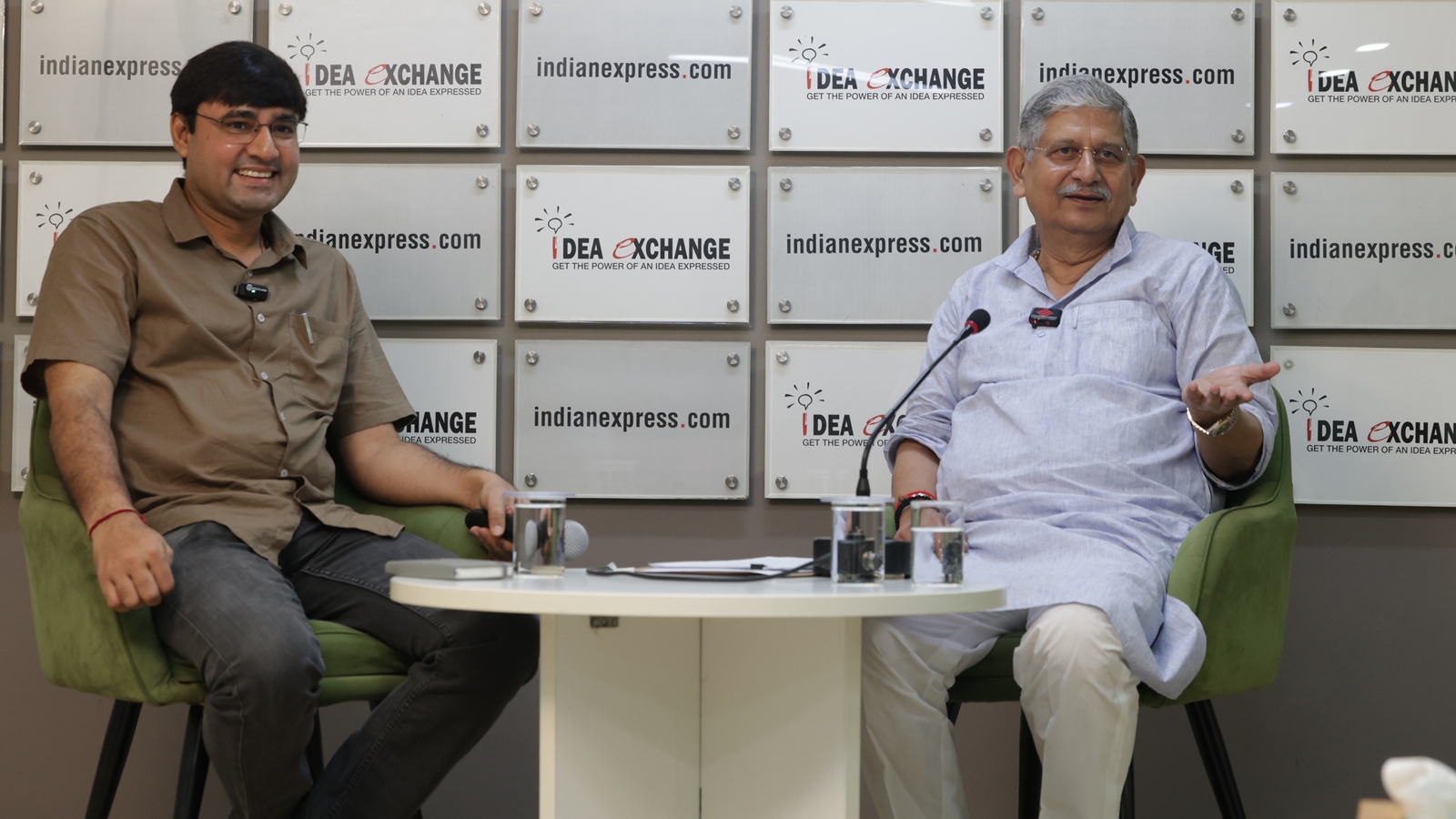
In a significant revelation at the 'Idea Exchange', Union Minister for Fisheries, Animal Husbandry, and Dairying, Rajiv Ranjan Singh, highlighted the remarkable resilience of India's fisheries sector. Despite facing a massive 58% tariff imposed by the US on Indian goods in 2025, the sector has managed to expand its global footprint significantly.
The Minister noted that the strategic separation of the Fisheries Department from the Ministry of Agriculture in 2019 was a turning point. Under the leadership of Prime Minister Narendra Modi, initiatives like the Blue Revolution and the Pradhan Mantri Matsya Sampada Yojana (PMMSY) have transformed a neglected sector into a powerhouse, supporting the livelihoods of nearly six crore people.
Why This Matters
BozokMedia analysis shows that India's ability to pivot from the US market to the EU and Asian markets demonstrates a highly sophisticated level of economic agility. By addressing non-tariff barriers—such as antibiotic usage—India is transitioning from a volume-based exporter to a value-based global supplier.
We encouraged exporters to find new markets and coordinated with 49 countries to ensure our products meet global safety standards.
The economic data presented is staggering. While exports to the US saw a decline of approximately 19-20%, the growth in the European Union and countries with Free Trade Agreements (FTAs) compensated for the loss. Total exports climbed from ₹30,213 crore in 2013-14 to a projected ₹73,890 crore, marking a massive upward trajectory.
Historical Background
Historically, the fisheries sector was an adjunct to agriculture. However, the recognition of its potential led to a dedicated ministry. In states like Bihar, the impact has been transformative; production has grown 11-fold since 2005, reducing dependency on states like Andhra Pradesh and even allowing Bihar to export freshwater fish to neighboring Nepal and West Bengal.
To maintain this momentum, the government is also focusing on maritime infrastructure. Significant investments are being directed toward the Lakshadweep and Andaman & Nicobar Islands to utilize the Exclusive Economic Zone (EEZ) effectively. To safeguard national security, the Minister emphasized that only vessels flying the Indian national flag will be permitted to fish in the high seas.
Frequently Asked Questions
1. How did India overcome the US tariff challenge?
The government worked with the MPEDA to hold round-table conferences with ambassadors from 49 countries, successfully opening markets in the UK, Japan, and the EU.
2. What measures are taken to ensure fish quality for export?
India has banned the use of harmful antibiotics in fish farming and introduced a QR-code traceability system to meet the stringent standards of European markets.