Indian benchmark indices started the week on a weak note as escalating Iran-US tensions pushed crude oil above $90. While the broader market faced selling pressure, HDFC Bank bucked the trend with a 2.44% gain.
- Sensex fell 224 points and Nifty declined 110 points at the open.
- Brent crude oil prices surged above $90 per barrel due to Iran conflict.
- HDFC Bank shares jumped 2.44% following CEO succession news.
- Nifty Metal and IT indices were the biggest sectoral losers.
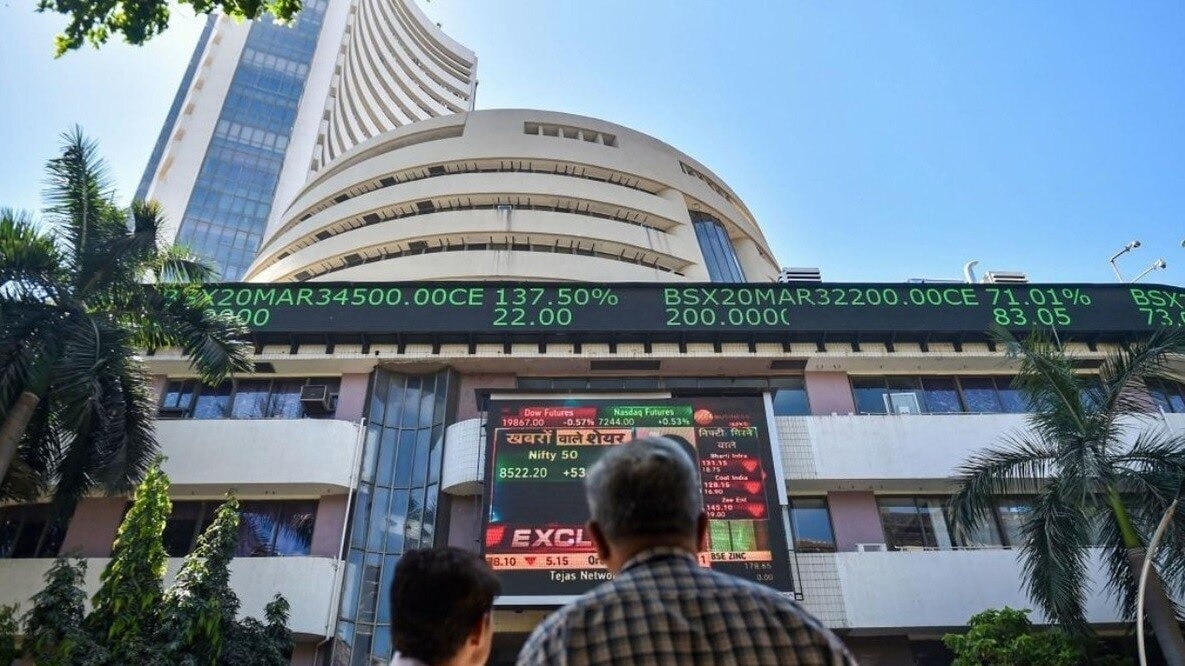
The Indian equity markets opened in the red on Monday, reacting sharply to a volatile global landscape. The BSE Sensex fell by 224.04 points (0.29%) to settle at 77,040.47, while the Nifty 50 declined by 110.85 points (0.46%) to 24,064.80. The initial dip reflects a cautious sentiment among investors who are navigating a combination of geopolitical instability and domestic regulatory changes.
A primary driver for the decline was the renewed escalation in the conflict involving Iran, which sent Brent crude oil prices climbing by 2.24% to $90.07 per barrel. For an oil-importing nation like India, rising energy costs typically translate to inflationary pressures and a weakened fiscal outlook, triggering broad-based selling across several sectors.
Why This Matters
BozokMedia analysis shows that the market is currently hypersensitive to external shocks. The convergence of rising global bond yields and geopolitical strife creates a 'risk-off' environment. However, the resilience of specific stocks like HDFC Bank indicates that investors are still willing to bet on strong fundamentals despite macroeconomic headwinds.
In a surprising turn, HDFC Bank emerged as the top gainer, rising 2.44%. This rally was sparked by the announcement that CEO Sashidhar Jagdishan will not seek reappointment after his term ends in October. While leadership transitions can be risky, the market seems to be pricing in the potential for a fresh strategic direction for India's largest private lender.
The market faces several headwinds, including renewed tensions between the US and Iran and higher global bond yields, which are negative for equities.
Sectoral performance was largely dismal, with 14 out of 16 Nifty sectoral indices trading in the red. The Nifty Metal index suffered the most, dropping 2.21%, followed by Nifty IT, which fell 1.29% led by a nearly 2% drop in Infosys. Other major laggards included Tata Steel, NTPC, and Adani Ports.
Furthermore, investors are bracing for the MSCI index reshuffle and the implementation of India's new closing-auction system. This technical shift is expected to increase volatility toward the end of the trading session, as institutional funds rebalance their portfolios to align with the new index weights effective September 1.
| Index/Asset | Change (%) | Current Value |
|---|---|---|
| BSE Sensex | -0.29% | 77,040.47 |
| Nifty 50 | -0.46% | 24,064.80 |
| HDFC Bank | +2.44% | Rising |
| Brent Crude | +2.24% | $90.07 |
Frequently Asked Questions
Why did HDFC Bank shares rise while the market fell?
The stock rallied due to news regarding the upcoming leadership transition as CEO Sashidhar Jagdishan will not seek reappointment.
How does the Iran conflict affect the Indian stock market?
Escalation leads to higher crude oil prices; since India imports most of its oil, this increases costs and inflation, which typically hurts stock prices.