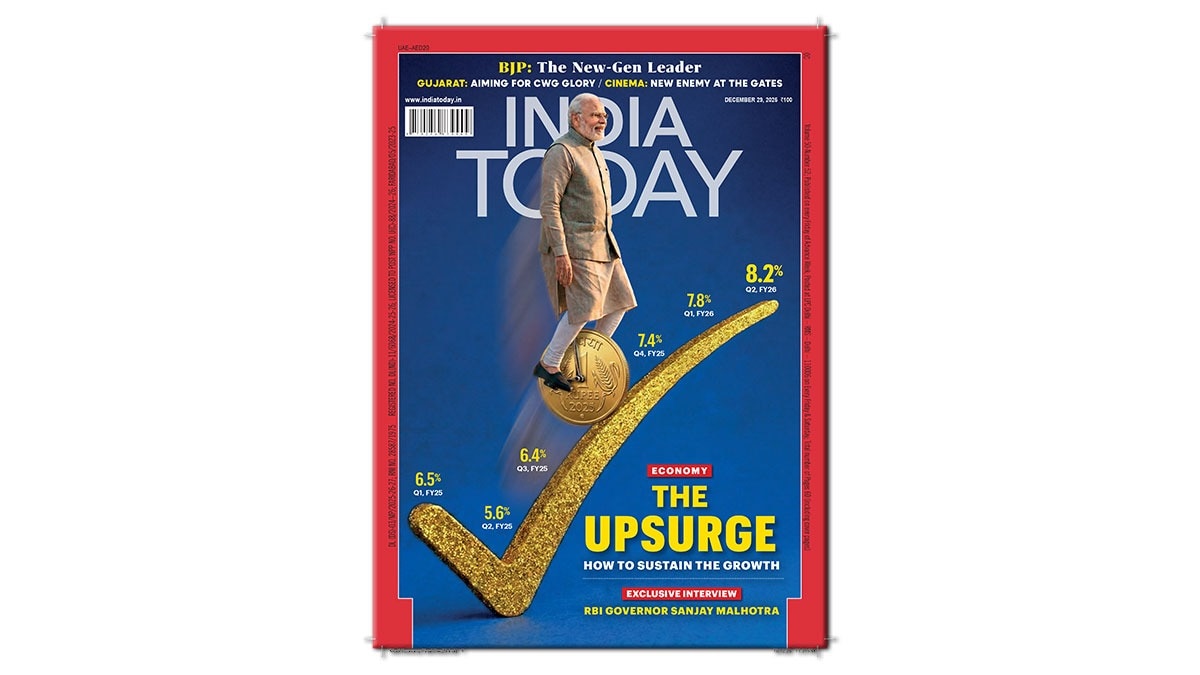
A deep dive into the structural reforms and strategic pivots required for India to maintain its trajectory as the world's fastest-growing major economy.
- Focus on manufacturing through 'Make in India' to reduce import dependency.
- Critical need for infrastructure modernization to lower logistics costs.
- Investment in human capital and digital literacy to leverage the demographic dividend.
The Indian economy has demonstrated remarkable resilience and an aggressive growth trajectory in recent years, positioning itself as a global bright spot amidst widespread geopolitical instability. However, the transition from a period of rapid recovery to sustained, long-term expansion requires a fundamental shift in economic strategy. India must move beyond consumption-led growth and pivot toward an investment-led model that prioritizes productivity and innovation.
To sustain this upsurge, the government's emphasis on the Production Linked Incentive (PLI) schemes is pivotal. By encouraging domestic manufacturing in sectors like semiconductors, electronics, and pharmaceuticals, India aims to integrate more deeply into the global value chain. This shift is not merely about industrialization but about creating millions of high-quality jobs for a youthful population that is entering the workforce in record numbers.
Why This Matters
BozokMedia analysis shows that the sustainability of India's growth depends on its ability to solve the 'middle-income trap.' Without significant leaps in labor productivity and a transition toward high-tech exports, the current momentum could plateau. The synergy between digital public infrastructure (DPI) and traditional industry is the unique catalyst that could propel India toward a $5 trillion economy and beyond.
"The true test of the Indian economy will not be the peak of its growth, but the consistency of its trajectory over the next decade."
Infrastructure remains a cornerstone of this evolution. The Gati Shakti National Master Plan represents a concerted effort to break silos between different ministries and ensure that roads, railways, and ports are synchronized. Reducing logistics costs from the current 13-14% of GDP to a global benchmark of 8% would make Indian exports significantly more competitive on the world stage.
Furthermore, the role of the private sector cannot be understated. While government capital expenditure (Capex) has led the charge, a revival in private investment is essential. This requires a stable regulatory environment, simplified tax structures, and a judiciary that can resolve commercial disputes with greater speed and efficiency.
Historical Background
Historically, India's growth has been driven by the services sector, particularly IT and BPO. While this provided a leapfrog effect, it left the manufacturing sector stagnant for decades. The current push for 'Atmanirbhar Bharat' (Self-Reliant India) is a direct response to this historical imbalance, seeking to create a more diversified and robust economic base that can withstand global shocks.
| Factor | Previous Growth Model | Sustained Growth Model |
|---|---|---|
| Primary Driver | Services/Consumption | Manufacturing/Investment |
| Infrastructure | Fragmented/Slow | Integrated/Fast (Gati Shakti) |
| Global Role | Outsourcing Hub | Global Manufacturing Hub |
Frequently Asked Questions
Q1: What is the biggest threat to India's economic sustainment?
A1: Global volatility in oil prices and geopolitical tensions that disrupt supply chains remain the primary external risks.
Q2: How does the demographic dividend play a role?
A2: India has one of the youngest populations globally; if skilled correctly, this workforce becomes the primary engine of production and consumption.
