The NCLT's approval of Subhash Chandra's personal insolvency plan has reignited the debate over 'haircuts'. Discover how a ₹22,000 crore claim resulted in a recovery of just ₹6.25 crore.
- Subhash Chandra's personal insolvency case involves a staggering haircut of approximately 99.97%.
- A 'haircut' represents the portion of a debt that a creditor fails to recover during resolution.
- The case highlights the legal distinction between corporate loans and personal guarantees.
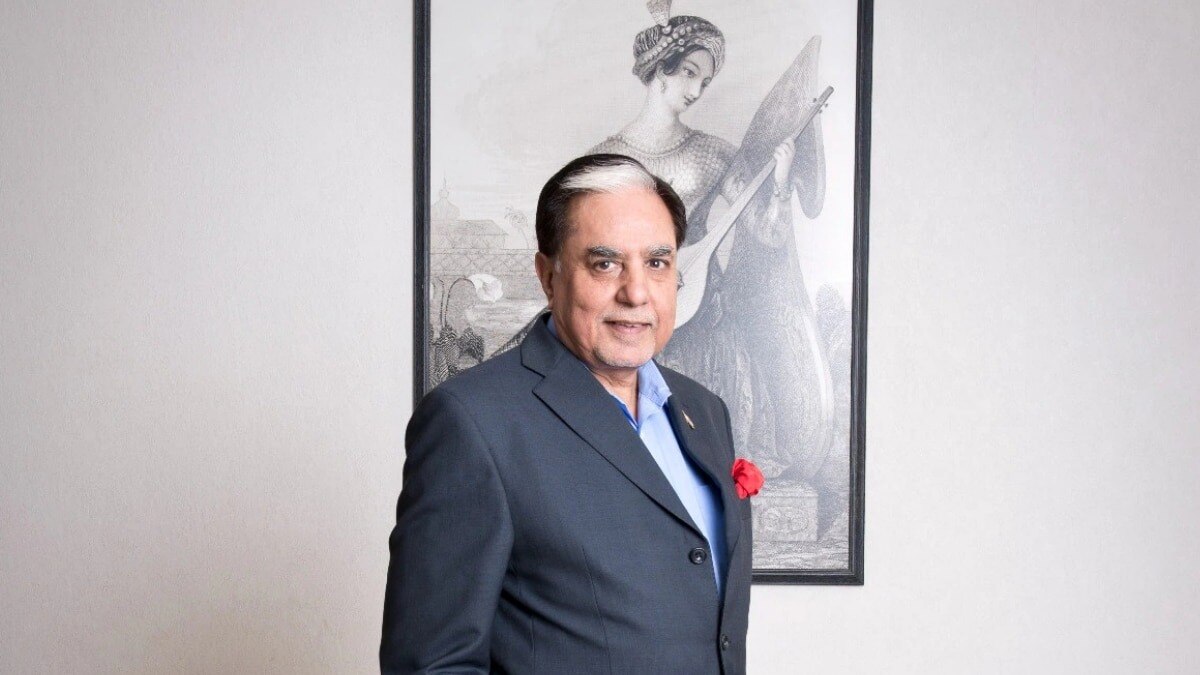
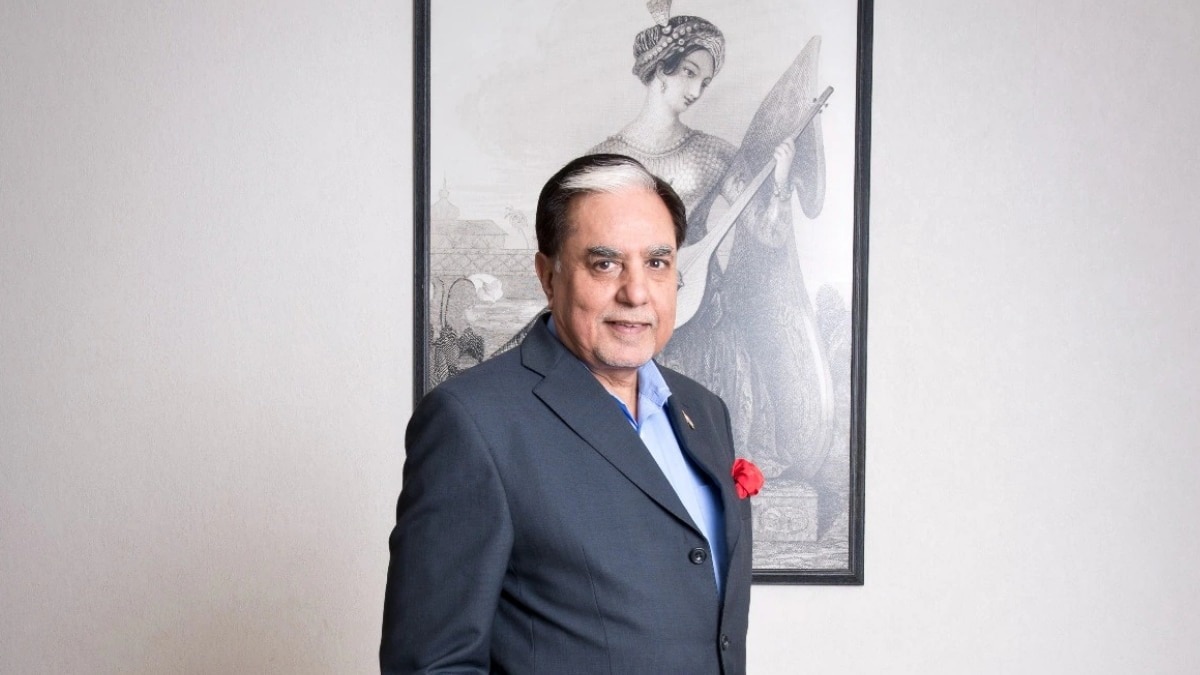
The term "haircut" has surged into the financial spotlight following the National Company Law Tribunal's (NCLT) approval of a repayment plan for Subhash Chandra, the chairman of Essel Group. The case has sparked intense scrutiny over the disparity between admitted claims and actual recoveries.
In this specific instance, the admitted claims stood at ₹22,006.57 crore, yet the approved plan requires Chandra to pay only ₹6.25 crore. This means creditors will recover a mere 0.03% of their dues, effectively taking a haircut of 99.97%.
What Exactly is a 'Haircut'?
In the context of insolvency, a haircut is the difference between the total amount owed to a creditor and the amount they actually receive through a resolution plan. For example, if a bank is owed ₹100 crore but receives ₹60 crore, the recovery is 60% and the haircut is 40%. It is a measure of loss from the creditor's perspective, rather than a discount granted to the borrower.
Why Do Creditors Accept Such Losses?
The primary motivation is the avoidance of a worse outcome. In a forced liquidation, assets are often sold at fire-sale prices, yielding far less than their book value. Additionally, prolonged legal battles and administrative costs can erode the remaining value. The Insolvency and Bankruptcy Code (IBC) prioritizes resolution and value maximization over the impossible goal of 100% recovery in distressed cases.
Why This Matters
BozokMedia analysis shows that while large haircuts are common, the magnitude in the Chandra case is extraordinary. However, the nuance lies in the nature of the proceedings: this is a personal insolvency case. Chandra argues that he did not borrow ₹22,000 crore personally; rather, he acted as a personal guarantor for loans taken by Essel Group companies. This distinction is crucial in determining the liability of the individual versus the entity.
"A 99.9% haircut is rarely a negotiation; it is usually a reflection of a complete absence of realizable assets against a massive liability."
Historical Context: Other Major IBC Haircuts
High haircuts are a recurring theme in India's insolvency landscape. The following table compares some of the most prominent cases:
| Company/Case | Admitted Claim (Approx) | Haircut (%) |
|---|---|---|
| Videocon Industries | ₹64,838 Cr | 95.85% |
| Jet Airways | ₹5,432 Cr | 92.33% |
| Aircel | - | 82% |
| Subhash Chandra (Personal) | ₹22,006 Cr | 99.97% |
Frequently Asked Questions
1. Is a haircut always a bad deal for banks?
Not necessarily. If the liquidation value is even lower than the resolution offer, a haircut is the most rational financial decision.
2. Does this mean the borrower is forgiven for the rest of the debt?
Yes, once a resolution plan is approved by the NCLT, the remaining admitted claims are typically extinguished.