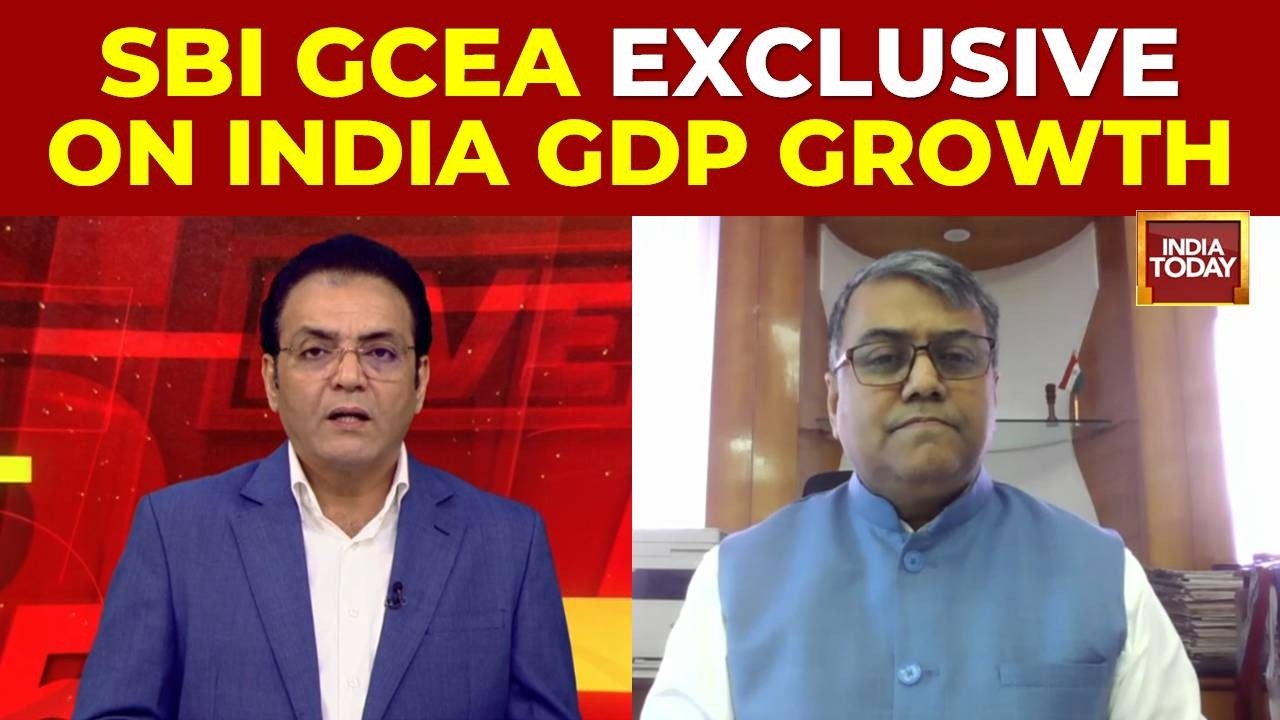
Dr. Soumya Kanti Ghosh describes the 7.8% GDP growth rate as a highly creditable figure amidst global instability. The report emphasizes the urgency of supporting local manufacturing to secure long-term economic strength.
- India recorded a robust GDP growth of 7.8% despite geopolitical tensions and supply chain disruptions.
- Emphasis placed on the 'Vocal for Local' initiative to bolster domestic manufacturing.
- Recommendations made to reduce non-essential foreign travel and discretionary gold purchases.
The latest Gross Domestic Product (GDP) data has cast a spotlight on India's national economic strength, standing firm against a backdrop of global uncertainties and geopolitical volatility. Dr. Soumya Kanti Ghosh remarked that the 7.8% growth rate is a "very creditable number," signaling that the nation's economy has successfully defied pessimistic global forecasts.
This resilience is particularly noteworthy given the current state of global trade, where supply chain disruptions have hampered growth in many G20 nations. India's ability to maintain this trajectory suggests a successful pivot toward internal stability and a diversified economic base.
Why This Matters
BozokMedia analysis shows that this growth is intrinsically linked to the strategic push for domestic industrialization. By encouraging citizens to embrace domestic alternatives, the government aims to create a virtuous cycle of local production and local consumption. The advisory against non-essential foreign travel and gold accumulation is a calculated move to preserve foreign exchange reserves and redirect capital toward productive domestic assets.
"A 7.8% growth rate in a volatile global climate is not just a statistic; it is a reflection of structural economic fortitude."
The 'Vocal for Local' initiative is now being positioned as a cornerstone of national economic security. By reducing reliance on imports and strengthening the local manufacturing ecosystem, India can shield itself from future external shocks while generating millions of jobs for its youth.
Historical Background
Historically, India has faced significant headwinds during global financial crises due to its reliance on imported energy and technology. However, the transition toward a manufacturing-led growth model—supported by initiatives like 'Make in India'—has provided a necessary cushion, allowing the GDP to remain positive even when global markets falter.
Frequently Asked Questions
Q1: What does a 7.8% GDP growth mean for the average citizen?
A: It generally translates to increased economic activity, more job opportunities, and improved government spending on public infrastructure.
Q2: How does reducing gold purchases help the economy?
A: Gold is often considered a 'dead asset'; redirecting that capital into businesses or domestic investments stimulates active economic growth.

