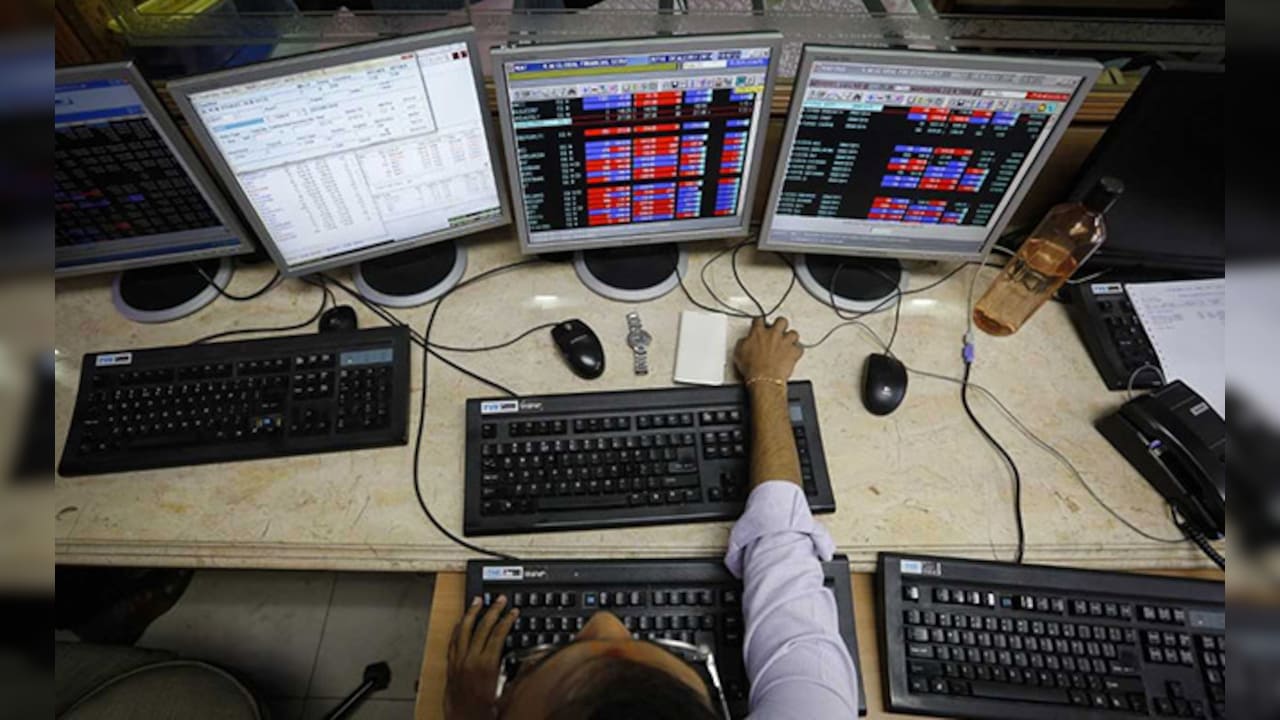
Foreign Institutional Investors (FIIs) poured $3.1 billion into Indian stocks in August, marking the highest monthly inflow since September 2024. The surge is attributed to reasonable valuations and strong Q1 earnings.
- $3.1 billion inflow in August, the highest since September 2024.
- Financial services and Auto sectors emerged as top picks for FIIs.
- Reasonable valuations and stable macro conditions drove the revival.
- Experts warn that the trend may be opportunistic rather than structural.
The Indian equity market has witnessed a significant reversal in sentiment as Foreign Institutional Investors (FIIs) bought shares worth $3.1 billion in August. This marks the second consecutive month of inflows following a brutal four-month selloff between March and June, during which investors offloaded equities worth $27.8 billion.
The primary catalyst for this return is the 'Reasonable Valuation' of Indian stocks. After the benchmark Nifty 50 and Sensex declined by approximately 5% due to West Asian conflicts and a global shift toward AI-heavy markets, the risk-reward ratio became highly attractive for foreign funds. Coupled with better-than-expected earnings for the April-June quarter, the stage was set for a rebound.
Why This Matters
BozokMedia analysis shows that this trend reflects a tactical reallocation of global capital. As the AI-led rally in markets like South Korea began to crack, FIIs pivoted toward markets with stable macroeconomic foundations. The Reserve Bank of India's (RBI) decision to keep key interest rates steady has further reduced uncertainty, providing a psychological floor for investors.
"Heavy, sustained outflows tend to exhaust themselves once valuations catch down to global risk appetite, at which point even a modest improvement in the macro picture is enough to draw capital back."
Sector-wise, the Financial Services sector led the charge, attracting $685 million in the first half of August. The Automobile sector followed closely with $462 million, while IT and Healthcare saw robust inflows ranging between $200 million and $400 million.
| Sector | Inflow (Aug 1st Half) | Performance (Aug) |
|---|---|---|
| Financial Services | $685 Million | +1.6% |
| Automobile | $462 Million | +1.0% |
| IT/Healthcare | $200-400 Million | +1.2% |
Despite the optimism, analysts warn that this is not yet a structural reversal. Factors such as volatile crude oil prices and geopolitical instability in West Asia remain significant headwinds. Furthermore, the taxation regime, specifically the Securities Transaction Tax (STT) and Capital Gains Tax, continues to be a point of friction for foreign portfolios.
Frequently Asked Questions
1. What triggered the sudden increase in FII inflows?
The combination of corrected valuations, strong Q1FY27 corporate earnings, and a global rotation away from overvalued AI-centric markets triggered the inflow.
2. Is this a long-term structural shift?
Most experts believe it is an opportunistic bet. A structural reversal would likely require a significant drop in oil prices (over 20%) and easing of tax frictions.