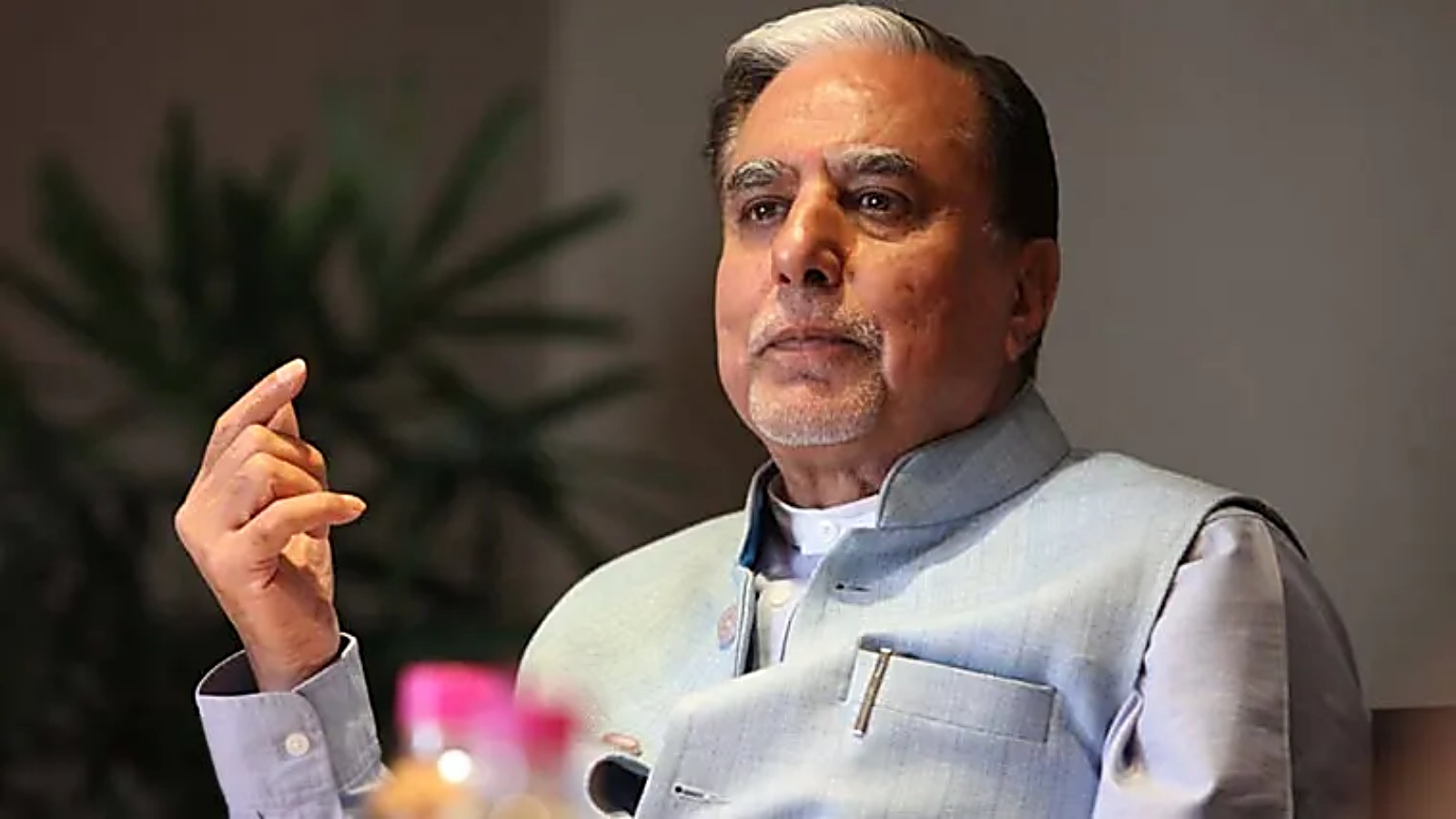
In a major blow to Essel Group founder Subhash Chandra, a special NCLT bench has stayed a verdict that allowed him to settle claims of over Rs 22,000 crore with a meager payment of Rs 6.25 crore.
- Five-member NCLT special bench stays the August 25 settlement order.
- Total admitted claims stand at a staggering Rs 22,006.57 crore.
- Subhash Chandra prohibited from selling or transferring any personal assets.
- Creditors demand forensic audit over massive net-worth discrepancy.
In a significant legal reversal, a five-member special bench of the National Company Law Tribunal (NCLT) has stayed the operation of a previous verdict that granted Subhash Chandra, the founder of Essel Group, a highly controversial exit from his personal insolvency proceedings. The earlier order had permitted Chandra to settle claims amounting to Rs 22,006.57 crore by paying a nominal sum of just Rs 6.25 crore.
The special bench, led by President Justice (retd) Anupinder Singh Grewal and comprising both judicial and technical members, has issued a strict directive to Chandra. In his capacity as a guarantor, he is now forbidden from alienating, selling, or transferring any of his properties, either directly or indirectly, until the matter is reheard.
Why This Matters
BozokMedia analysis shows that this case exposes a critical vulnerability in the personal insolvency framework. The astronomical gap between the liabilities and the proposed settlement suggests a systemic failure in asset disclosure. If such 'pennies-on-the-pound' settlements are normalized, it could jeopardize the security of personal guarantees, which banks rely upon as a secondary layer of safety for large corporate loans.
"The discrepancy between historical net-worth and disclosed assets is too vast to ignore; it necessitates a deep-dive forensic investigation to protect creditor rights."p>
The proceedings were originally triggered in 2024 by Indiabulls Housing Finance. These actions pertain to personal guarantees provided by Chandra for borrowings of Essel Group-linked companies, remaining distinct from the corporate insolvency of the group firms and the regulatory battles involving Zee Entertainment Enterprises.
The controversy centers on the voting process. While the repayment plan received 80.814% of the vote, opposing banks argue that at least five entities supporting the plan are related parties or associates of Chandra. This suggests a manipulated voting outcome rather than a genuine consensus among independent creditors.
| Major Lender | Exposure (Rs Crore) |
|---|---|
| LIC Housing | 1,322 |
| HDFC Bank | 775 |
| Franklin Templeton | 729 |
| Edelweiss | 565 |
| Canara Bank | 348 |
A primary point of contention is the vanishing wealth of the promoter. Creditors highlighted that in 2017-18, Chandra's net-worth certificates showed figures exceeding Rs 40,000 crore. However, the current insolvency process lists his assets at approximately Rs 31.79 crore. Creditors are now pushing for an asset-tracing exercise to locate the diverted wealth.
Frequently Asked Questions
1. Why did the NCLT stay the settlement plan?
The special bench noted a lack of clear majority in earlier verdicts and is reviewing the fairness of paying Rs 6.25 crore against claims of Rs 22,000 crore.
2. Who initiated the insolvency proceedings?
The proceedings were initiated by Indiabulls Housing Finance in 2024.