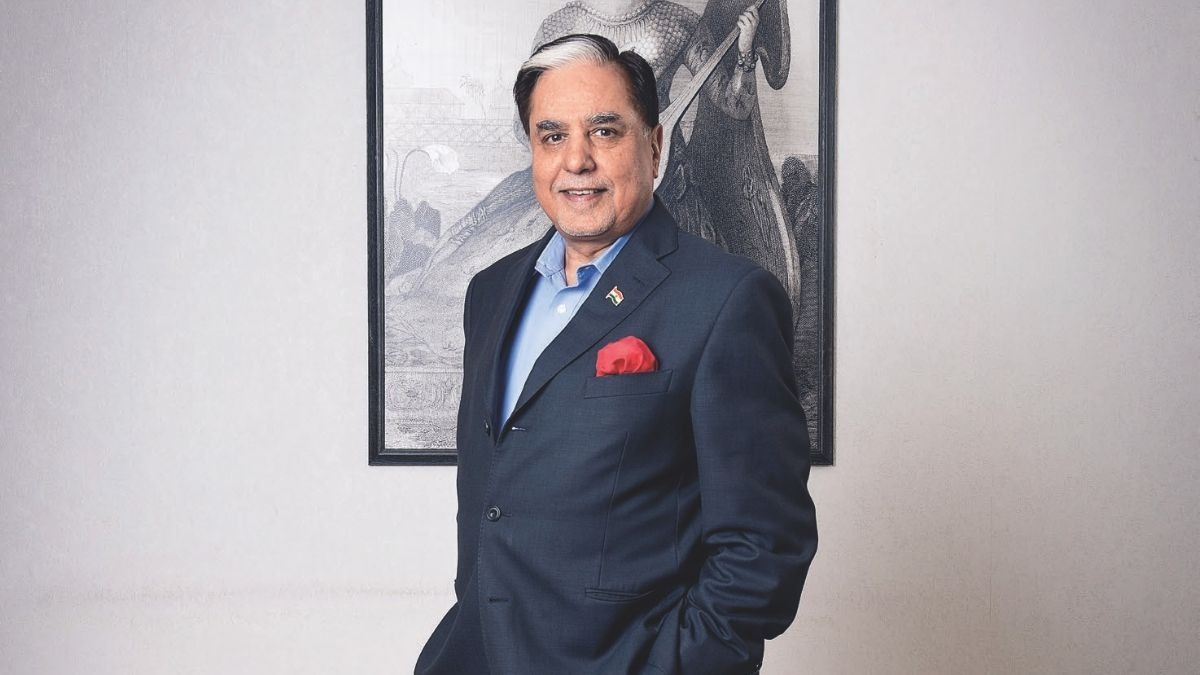
An in-depth look into the life of serial entrepreneur Subhash Chandra, exploring his political ties, business philosophies, and the dramatic excerpts from his memoirs.
- Subhash Chandra transitioned from a rice exporter to a media tycoon, founding the first private entertainment channel in India.
- His memoir, 'The Z Factor', reveals intricate details of his interactions with high-profile figures like Rajiv Gandhi.
- He attributes his resilience to the practice of Vipassana and a philosophy of adapting to change.
Subhash Chandra is a name synonymous with the disruption of the Indian media landscape. A quintessential serial entrepreneur, his trajectory is a masterclass in diversification—spanning from rice exports and packaging to the creation of the iconic Esselworld. His most significant contribution, however, remains the establishment of India's first privately owned entertainment channel, which fundamentally altered the country's broadcasting history.
Beyond the boardroom, Chandra has sought spiritual grounding through Vipassana. He reflects on his younger self as someone prone to anger, noting that the meditative practice helped him move toward a calmer, more truthful existence. This internal shift mirrors his professional philosophy: that success is not reserved for the most intelligent, but for those with the determination to adapt.
Why This Matters
BozokMedia analysis shows that Subhash Chandra's journey serves as a blueprint for the intersection of business and politics in post-liberalization India. His ability to navigate relationships with prime ministers and power brokers underscores a period where corporate growth was often intertwined with political proximity and strategic risk-taking.
"People who succeed are not necessarily the smartest; they are the ones who adapt to change and possess extraordinary determination."
In his memoir, 'The Z Factor: My Journey as the Wrong Man at the Right Time', Chandra provides a rare glimpse into the power dynamics of the 1980s. He recounts a pivotal conflict with Dhirendra Brahmachari over a rice export deal, which eventually led to a direct encounter with former Prime Minister Rajiv Gandhi. This episode highlights the volatility of trust and the high stakes of trade during that era.
However, the path to the top was not without friction. Chandra's career has been marked by high-profile fallouts, including a strained relationship with the Ambani family over journalistic integrity and a legal battle with Naveen Jindal. Despite these setbacks and the failure of the Indian Cricket League (ICL), Chandra maintains a defiant optimism, refusing to view these episodes as final defeats.
| Phase | Key Venture/Role | Outcome |
|---|---|---|
| Early Years | Rice Export & Packaging | Capital Accumulation |
| Expansion | Esselworld & Zee Network | Media Dominance |
| Challenges | ICL & Legal FIRs | Strategic Pivot & Learning |
Frequently Asked Questions
Q1: What is Subhash Chandra's view on failure?
A: He believes in not fighting failure but instead moving forward to new opportunities with determination.
Q2: What is the core theme of 'The Z Factor'?
A: The book explores his life as a businessman navigating the complex world of politics, media, and personal relationships.

