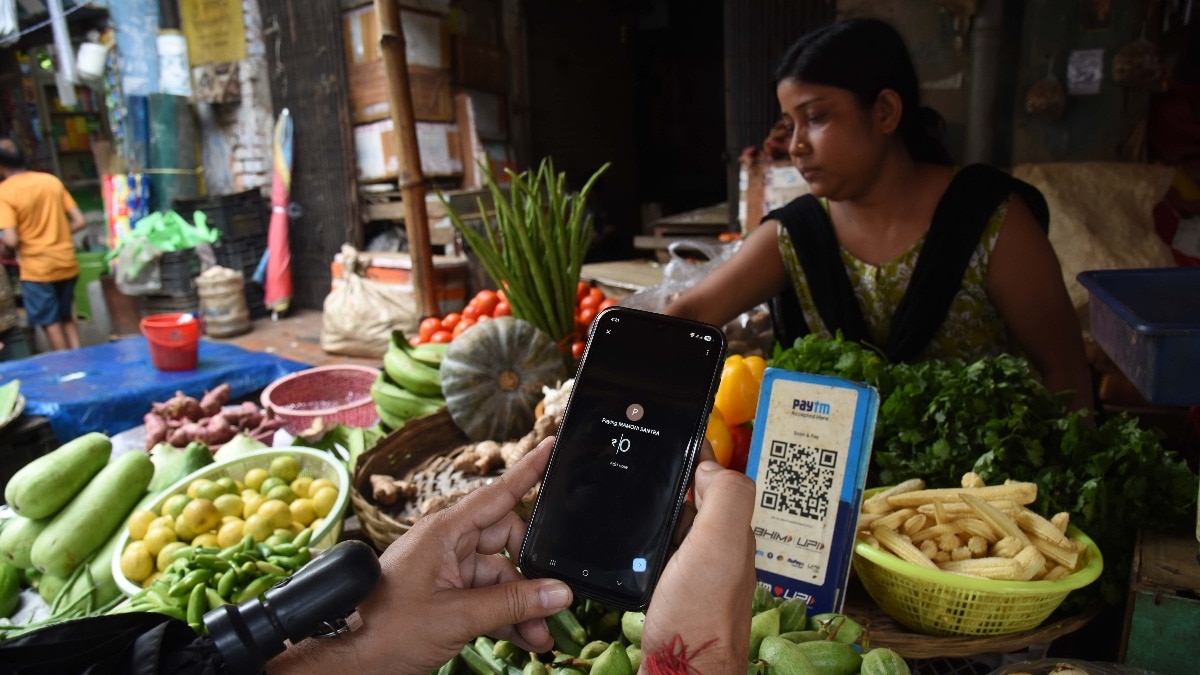
A LocalCircles survey indicates a massive resistance among merchants toward proposed MDR fees on high-value UPI transactions, while over half of consumers threaten to abandon the platform.
- 41% of surveyed merchants are unwilling to pay any MDR charges on UPI transactions above ₹2,000.
- 53% of consumers expressed a readiness to shift away from UPI if charges are passed on to them.
- The annual cost of maintaining the UPI infrastructure is estimated between ₹5,000-6,000 crore.
The frictionless nature of the Unified Payments Interface (UPI) has been the cornerstone of India's digital payment revolution. For years, the 'Zero MDR' regime has ensured that neither the customer nor the merchant pays a fee for transferring money. However, this model is now facing a sustainability crisis as the government considers introducing a Merchant Discount Rate (MDR) on high-value transactions.
According to a comprehensive survey by LocalCircles, there is significant pushback from the business community. Only 17% of merchants and businesses are willing to absorb an MDR of 0.3% or higher for payments exceeding ₹2,000. Alarmingly, 41% of respondents stated they would not bear any MDR charge whatsoever, regardless of the transaction value.
Why This Matters
BozokMedia analysis shows that the UPI ecosystem is at a critical crossroads. While the government aims to make the payment rails self-sustaining, the psychological barrier of moving from 'free' to 'paid' is immense. If merchants pass these costs to consumers through 'convenience fees,' it could trigger a mass migration back to cash or traditional card payments, undermining years of digital adoption efforts.
"The transition from a subsidized public good to a commercialized service is always volatile, especially in a price-sensitive market like India."
The financial burden of running the UPI rail is estimated at ₹5,000-6,000 crore annually. While the government has provided incentives to banks, these are insufficient to cover the total operational costs. This creates a dilemma: either the government continues to subsidize the system or the industry must find a way to monetize it without alienating users.
The impact could be most severe in essential sectors such as healthcare, education, and government utilities, where transaction values frequently exceed ₹2,000. In these sectors, customers have fewer alternatives, making them vulnerable to indirect price hikes.
| Metric | Merchant Stance | Consumer Stance |
|---|---|---|
| Willingness to Pay | 17% (at 0.3% rate) | 12% (would pay fee) |
| Likely Action | Price hikes / Stop UPI | 53% would switch modes |
Frequently Asked Questions
1. What is the proposed MDR threshold?
Reports suggest the Finance Ministry is considering a 0.3% charge on transactions above ₹2,000.
2. Will consumers be charged directly?
Officially, MDR is a merchant-side charge. However, merchants may indirectly recover this through increased product prices or service fees.