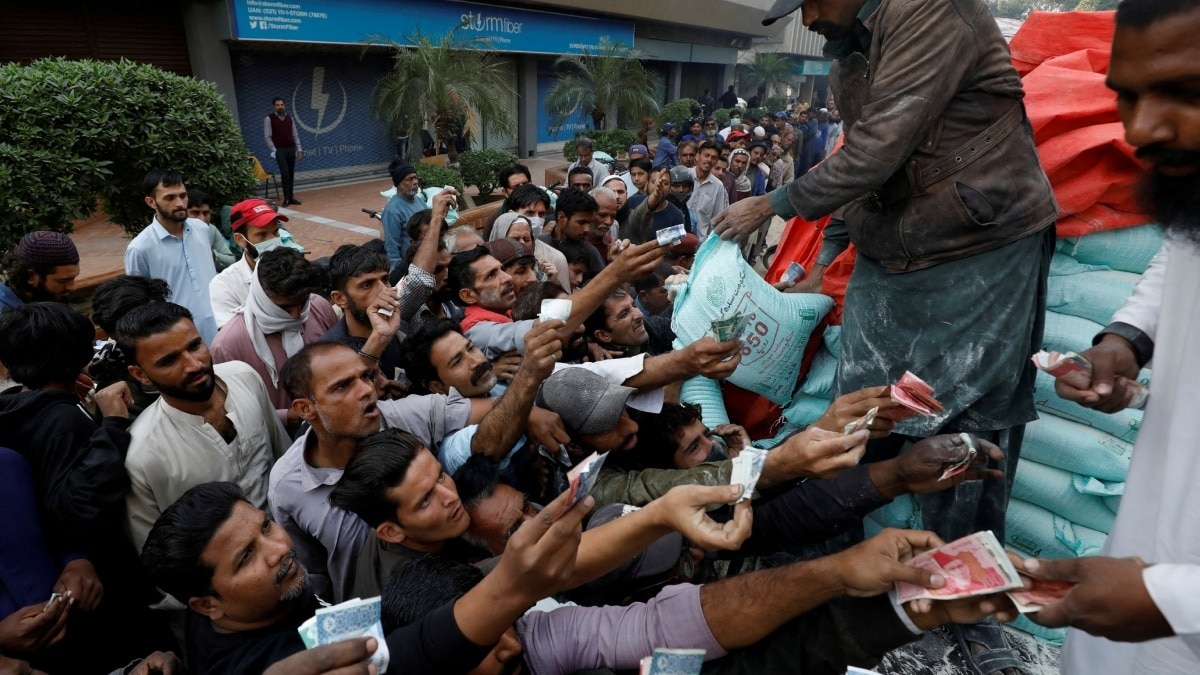
Pakistan is grappling with an escalating food security crisis as recent government data reveals that nearly a quarter of the population is struggling to afford basic staples like milk, meat, and grains.
- Food insecurity in Pakistan has surged from 15.92% in 2019 to 24.35% in 2025.
- Severe food insecurity has more than doubled, rising from 2.37% to 5.04%.
- Consumption of essential items like milk, meat, rice, and wheat has seen a drastic decline.
- Despite being an agrarian economy, Pakistan has become a net importer of food since 2021.
Pakistan is currently enduring one of its most profound economic and humanitarian crises. Recent data released by the Pakistan Bureau of Statistics (PBS) has exposed the alarming reality of the nation's deteriorating food security. The figures provided by the government itself highlight a grim picture of a population struggling to survive.
According to the reports, over the last six years, Pakistani households have been forced to reduce both the quantity and the variety of their diets. This trend of declining consumption is evident across both urban and rural landscapes, affecting the most vulnerable segments of society.
Why This Matters
BozokMedia analysis shows that this shift in dietary patterns is a direct consequence of hyperinflation and economic instability. When a nation's population can no longer afford basic proteins and grains, it sets the stage for long-term public health emergencies and social unrest.
The continuous decline in food quality and quantity poses a generational threat to the health and development of Pakistani children.
The statistics reveal a terrifying trajectory: moderate to severe food insecurity rose from 15.92% in 2019 to 24.35% in 2025. Even more concerning is the spike in 'severe food insecurity,' which has jumped from 2.37% to 5.04%, meaning millions are on the brink of starvation.
Dietary Consumption Decline Comparison
| Food Category | Consumption Trend | Primary Impacted Group |
|---|---|---|
| Milk & Dairy | Significant Decrease | Infants and Elderly |
| Meat & Proteins | Drastic Reduction | Middle-class Households |
| Grains (Wheat/Rice) | Reduced Portion Sizes | Rural Population |
Historically, Pakistan has relied on its vast agricultural sector to sustain its population. However, the economic downturn has flipped this dynamic; since 2021, the country has transitioned into a net importer of food. This reliance on imports exacerbates the pressure on foreign exchange reserves, creating a vicious cycle of debt and hunger.
Frequently Asked Questions
1. How many people in Pakistan are food insecure?
Approximately 24.35% of Pakistani families are currently facing some level of food insecurity.
2. Which food items are seeing the highest decline in consumption?
There is a notable decline in the consumption of milk, meat, rice, wheat, and even tea.