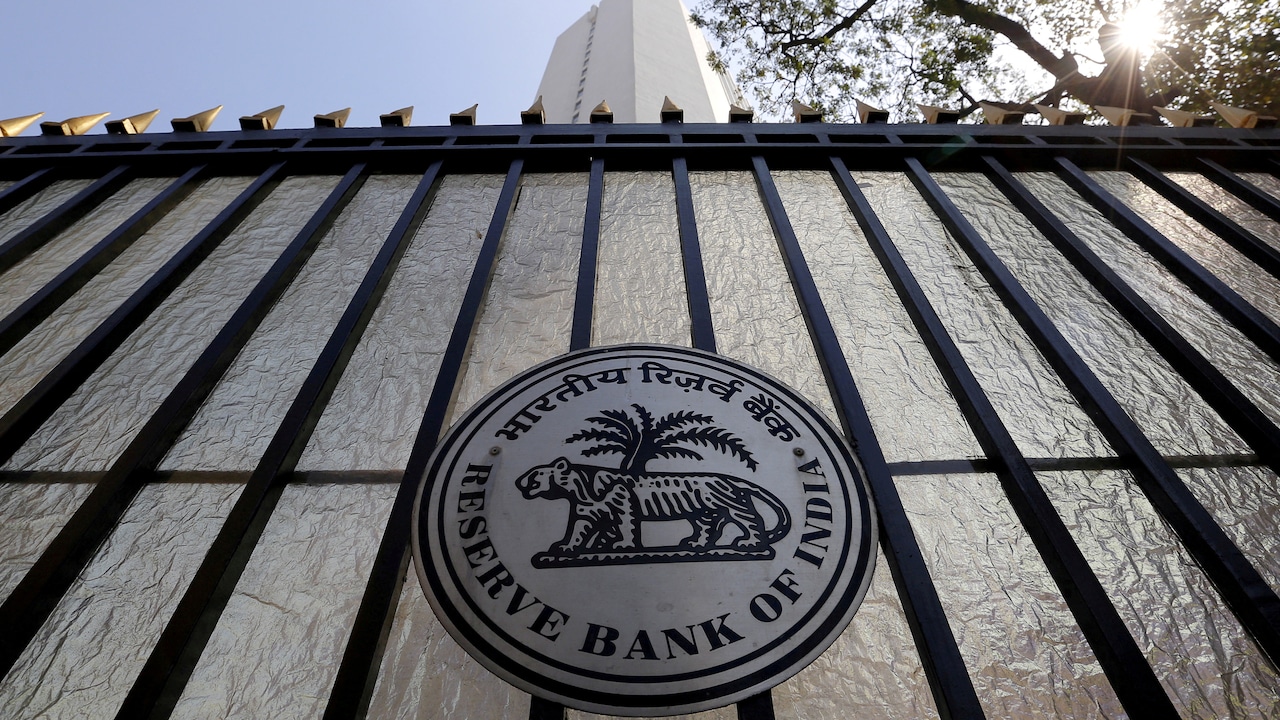
A strategic forex swap facility launched by the Reserve Bank of India has attracted $127 billion in inflows, significantly outperforming the previous 2013 initiative by fivefold.
- NRIs have contributed $127 billion via the special forex swap facility.
- Inflows are 5x higher than the comparable 2013 scheme.
- The move significantly bolsters India's foreign exchange reserves.
The Reserve Bank of India (RBI) has achieved a landmark success with its specialized forex swap facility. Non-Resident Indians (NRIs) have channeled a staggering $127 billion into this scheme, providing a massive boost to the nation's dollar reserves.
This massive influx of capital serves as a testament to the growing confidence of the Indian diaspora in the country's economic stability. The primary objective of this facility was to shore up foreign exchange liquidity and mitigate potential volatility in the rupee.
Why This Matters
BozokMedia analysis shows that this massive capital injection acts as a critical buffer against global macroeconomic uncertainties. By stabilizing the dollar reserves, the RBI can effectively manage exchange rate fluctuations and maintain a healthy trade balance.
The scale of this inflow underscores a paradigm shift in how India manages its external liquidity.
Comparing this to historical precedents, the results are nothing short of extraordinary. In 2013, a similar mechanism was deployed to combat currency volatility, but the current inflow is five times larger than that previous effort, highlighting the increased scale and efficiency of India's financial architecture.
Historical Background
During the 2013 emerging market crisis, India faced significant pressure on its currency and foreign exchange reserves. The interventions made during that period were crucial for survival, but the current $127 billion surge represents a level of capital mobilization that was previously unseen in such tactical maneuvers.
Frequently Asked Questions
1. How does this impact the Indian Rupee?
Higher dollar reserves generally lead to a more stable and resilient Rupee against major global currencies.
2. Why is the 2013 comparison significant?
It highlights the exponential growth in the effectiveness and scale of the RBI's monetary tools.


