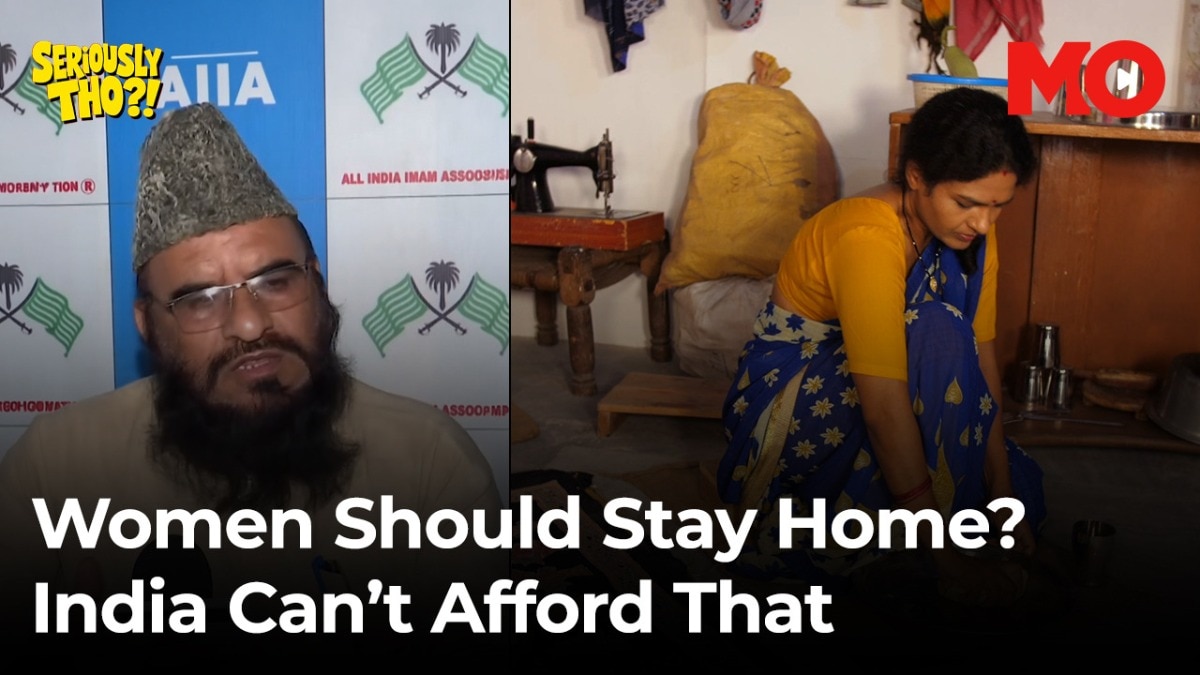
India's path to becoming a global economic superpower is inextricably linked to female workforce participation. Limiting women to domestic roles is no longer a social option, but a massive economic liability.
- Female labor force participation is critical for India's GDP trajectory.
- Gender gaps in employment hinder national economic potential.
- Structural changes are needed to support working women.
The debate surrounding women's roles in society has shifted from a purely social discourse to a critical economic necessity. As India aims for rapid growth, the notion that women should primarily stay at home is being debunked by economists worldwide. The reality is stark: India cannot afford to sideline its female population.
Current data suggests that the low participation rate of women in the formal workforce is a significant drag on the nation's Gross Domestic Product (GDP). To harness the full potential of its demographic dividend, India must create an ecosystem where women can thrive professionally.
Why This Matters
BozokMedia analysis shows that bridging the gender gap in the workforce could add trillions of dollars to the Indian economy by 2030. This isn't just about equality; it's about maximizing the utility of human capital.
Gender parity in the workforce is one of the most effective ways to accelerate national economic growth.
While urban areas show signs of progress, rural and semi-urban regions still grapple with deep-seated patriarchal norms. Issues such as safety, lack of affordable childcare, and the 'double burden' of domestic chores continue to impede progress.
Historical Background
Post-independence, India has seen massive strides in female literacy. However, the transition from education to meaningful employment has been uneven, often due to structural barriers and societal expectations that prioritize male breadwinners.
| Factor | Traditional View | Modern Economic Necessity |
|---|---|---|
| Primary Role | Domestic Caretaker | Professional Contributor |
| Economic Impact | Low/Indirect | High/Direct GDP Growth |
| Social Impact | Stagnant | Dynamic & Progressive |
Frequently Asked Questions
1. How does female participation affect GDP?
More workers mean higher production, increased consumption, and greater tax revenue.
2. What are the biggest barriers for Indian women?
Societal norms, lack of safe transport, and the disproportionate burden of unpaid care work.