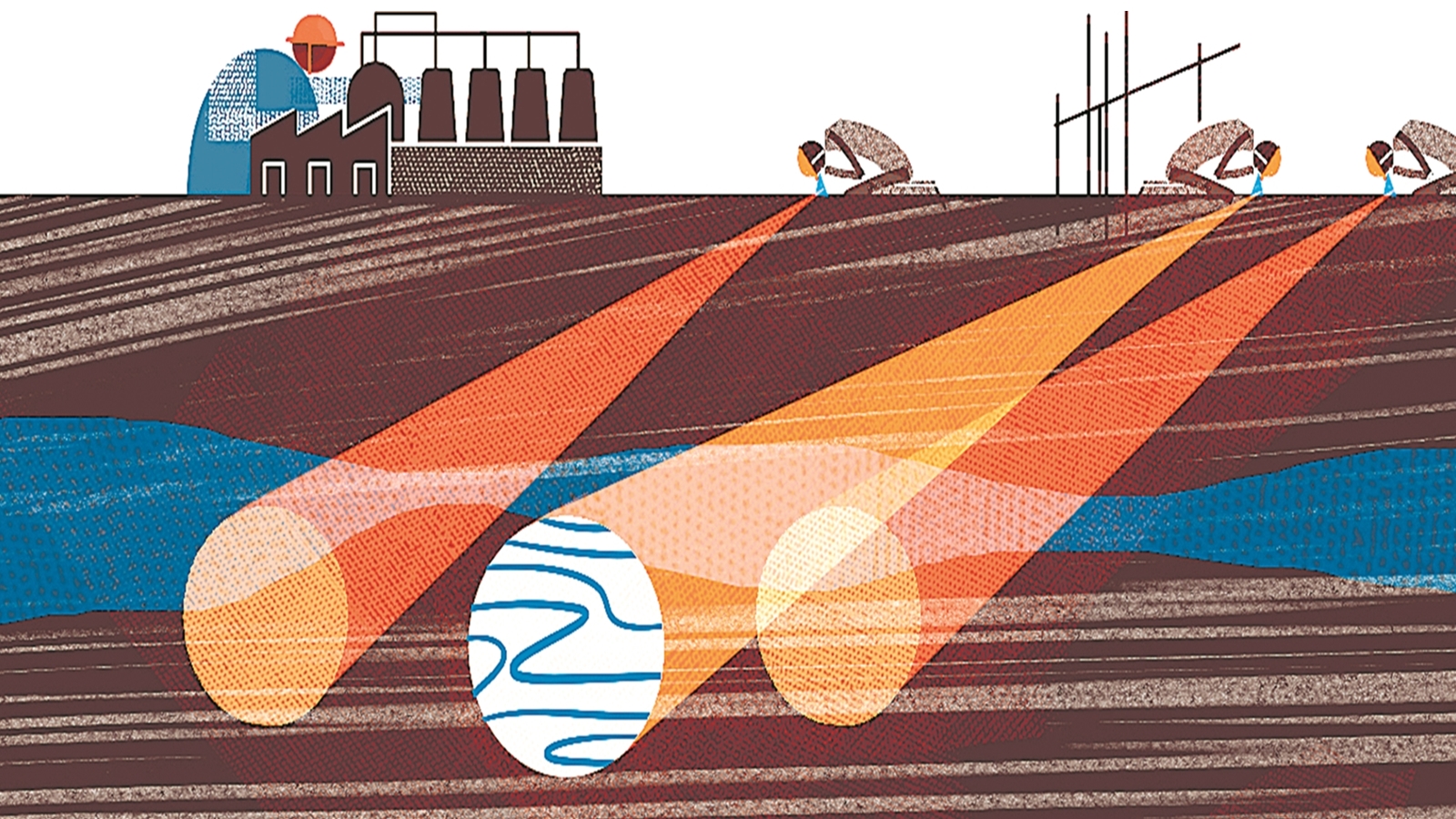
To secure its future as a developed economy, India must transition from fragmented fuel-specific ministries to a unified Ministry of Energy to optimize its complex power grid.
- India is shifting from a simple production-based energy model to a complex optimization model.
- Current governance splits energy sectors across multiple, disconnected ministries.
- A unified Ministry of Energy is proposed as a critical reform for long-term energy security.
India is entering a fundamentally different era of energy. For decades, the primary challenge was straightforward: produce more energy. In that era, coal, oil, gas, renewables, and nuclear could be planned independently because they operated within their own isolated ecosystems. That world, however, has vanished.
Today’s challenge is no longer just about production; it is about optimizing an increasingly complex energy system. A unit of solar power generated at noon holds a different strategic value than a unit of hydro power during the evening peak. Batteries, pumped storage, and gas turbines are now essential tools to balance the intermittency of renewables, while nuclear provides the necessary steady baseload. Every source now plays a specific, time-sensitive role within the same electricity grid.
Why This Matters
BozokMedia analysis shows that India's current governance structure is a relic of the 20th century. Currently, the sector is fragmented: coal sits in one ministry, oil and gas in another, renewables in a third, electricity in a fourth, and nuclear in a fifth. While each ministry is capable, they are optimizing individual parts rather than the whole system.
Energy security today is no longer about having enough coal or enough renewable capacity; it is about ensuring the entire system works as one cohesive unit.
The consequences of this fragmentation are visible in real-time. Renewable projects are often commissioned before the necessary transmission infrastructure is ready, and gas-based plants are sometimes built without assured fuel supplies. This mismatch occurs because different ministries are moving on different trajectories, often failing to synchronize their objectives with the needs of the national grid.
Global Precedents and Strategic Imperatives
This is not a new concept. Major global economies, including the United States, Brazil, Saudi Arabia, and the United Kingdom, have already adopted unified energy ministries. These bodies oversee the entire energy landscape, ensuring that strategy, infrastructure, and investment are aligned.
Creating a unified Ministry of Energy in India would not eliminate specialized expertise. Instead, it would centralize strategy. It would ensure that every investment—whether in coal, solar, or nuclear—is evaluated based on how it improves the performance of the total energy mix, aiming for the lowest-cost and most reliable delivery.
Frequently Asked Questions
1. Will a single ministry reduce technical expertise in specific sectors?
No, specialized departments would still exist, but they would report to a single strategic authority.
2. How does this impact energy costs?
Integrated planning reduces inefficiencies and infrastructure mismatches, which can lead to lower long-term energy costs.


