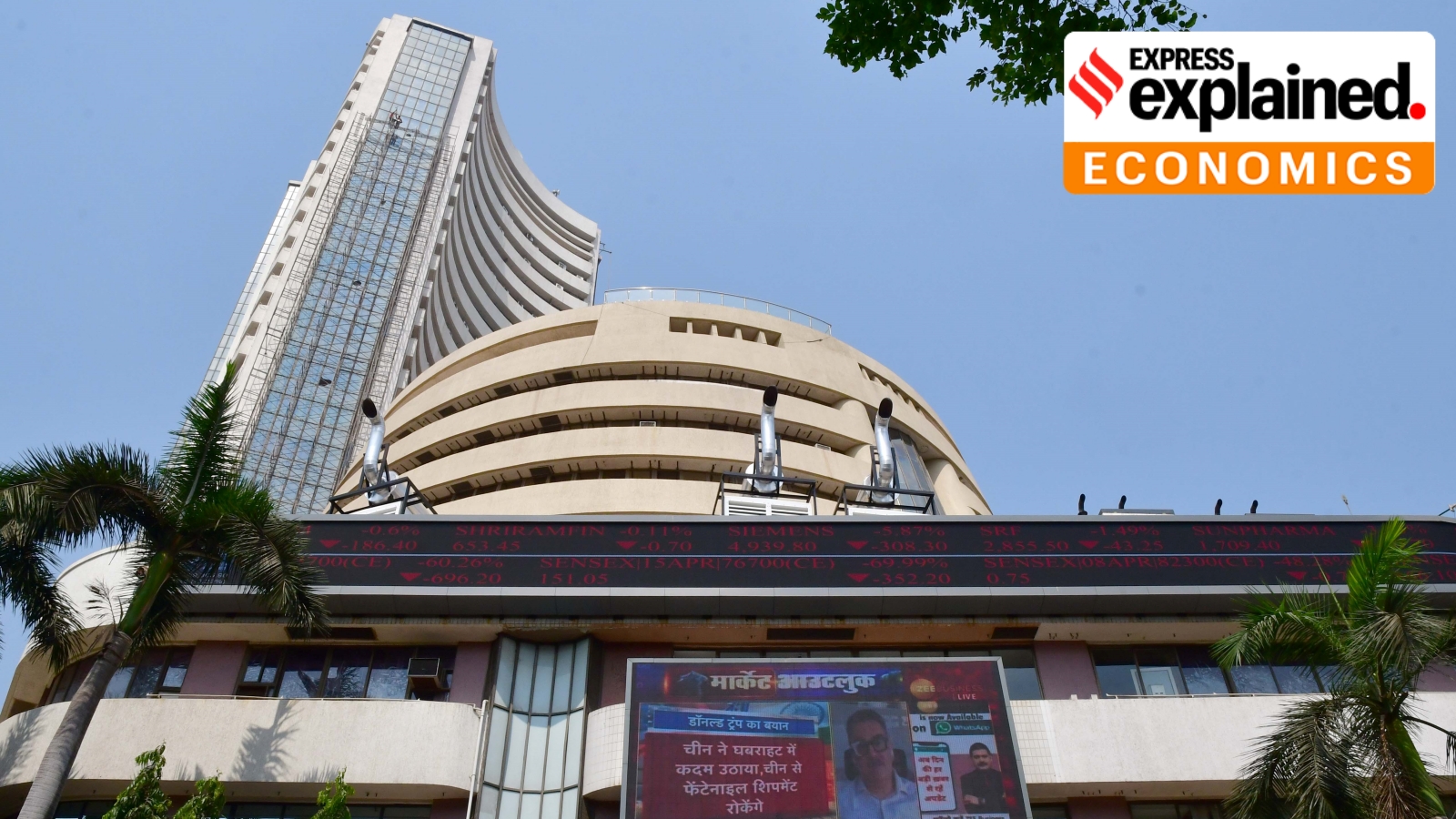
After a sluggish first half of 2026, India's IPO market is witnessing a massive resurgence. Mainboard issues have dominated fundraising in July and August, driven by expiring regulatory approvals.
- Mainboard IPOs raised nearly Rs 55,500 crore in July and August alone.
- Expiring SEBI approvals forced several companies to launch their public issues.
- While mainboard activity is surging, the SME segment remains sluggish due to tighter regulations.
The Indian Initial Public Offering (IPO) market has entered a period of renewed vigor following a volatile start to 2026. After facing headwinds from high crude oil prices and foreign institutional outflows that saw indices drop by 14%, the market has stabilized, paving the way for a massive influx of new listings.
According to data from the National Stock Exchange (NSE), companies raised approximately Rs 29,000 crore in August and Rs 26,500 crore in July. Combined, these mainboard issues account for roughly 73% of the total Rs 75,518 crore raised in the Indian market so far in 2026.
The Race Against Regulatory Expiry
A significant driver behind this sudden surge is the looming expiration of fundraising approvals. Regulatory approvals from SEBI typically remain valid for 12 months. Consequently, many companies that had paused their plans due to market uncertainty found themselves compelled to launch their IPOs to avoid losing their sanctioned status. Notable examples include Symbiotic Pharmalab and Shiprocket, which capitalized on the market window just before their approvals lapsed.
The combination of expiring SEBI approvals and improved market sentiment has created a perfect storm for the recent IPO boom.
Why This Matters
BozokMedia analysis shows that the recovery is deeply tied to stabilizing geopolitical tensions in West Asia. As market participants shift their focus from global conflicts to domestic macroeconomic parameters like inflation and earnings growth, investor confidence has returned. The presence of massive upcoming issues like Jio Platforms and the NSE suggests that the pipeline remains robust, potentially driving liquidity deeper into the ecosystem.
Mainboard vs. SME: A Divided Market
There is a stark contrast between the performance of large-cap mainboard issues and the Small and Medium Enterprise (SME) segment. While the mainboard is thriving, the SME sector has seen a significant slowdown. This is largely attributed to SEBI's enhanced regulatory framework designed to protect retail investors from the higher risks associated with smaller companies.
| Feature | Mainboard IPOs | SME Segment |
|---|---|---|
| Market Sentiment | High Demand & Momentum | Sluggish & Subdued |
| Regulatory Focus | Standard Compliance | Tightened Oversight |
| Fundraising Volume | Extremely High (Thousands of Crores) | Relatively Low |
Historically, the Indian market has shown resilience after periods of high volatility. The current momentum, which has already surpassed the fundraising levels of the same period in 2025, indicates a strong appetite for equity among domestic investors.
Frequently Asked Questions
1. Why did companies rush to launch IPOs in July and August?
Many companies were approaching the 12-month deadline for their SEBI-granted fundraising approvals.
2. Is the SME IPO market performing well?
No, the SME segment has slowed down due to increased regulatory scrutiny and investor protection measures.