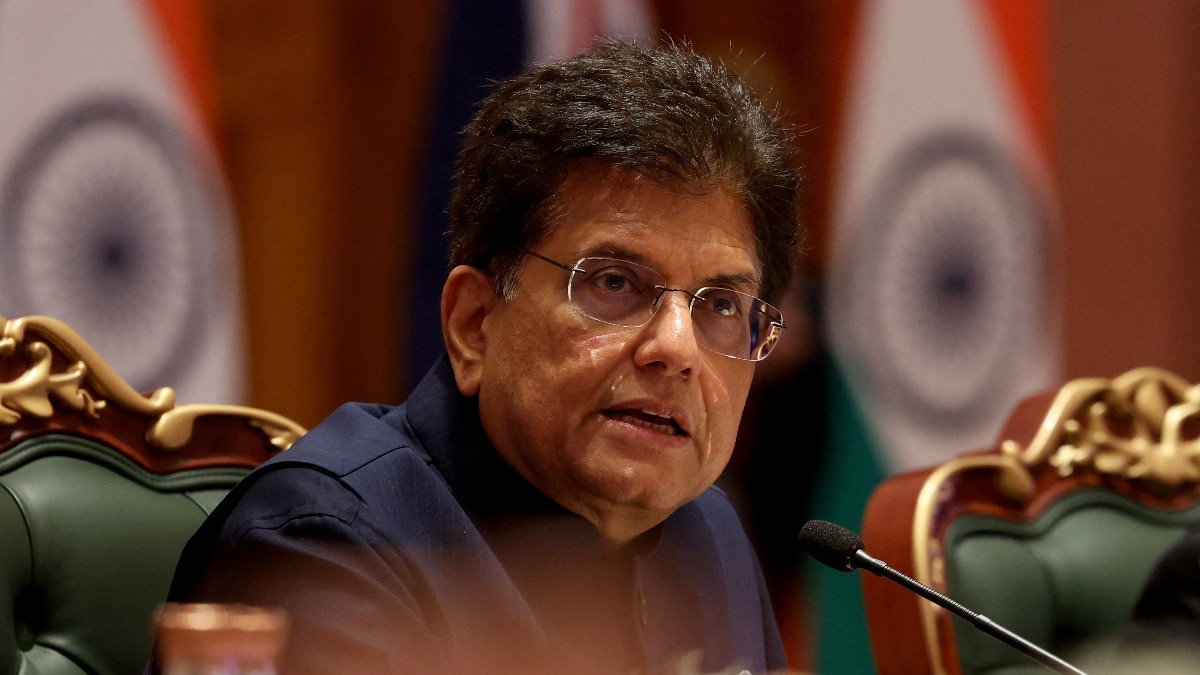
Union Minister Piyush Goyal has signaled that India will only conclude a trade agreement with the United States once significant tariff concessions are secured. This move underscores India's intent to protect domestic interests while expanding global market access.
- India demands significant tariff concessions from the US.
- Minister Piyush Goyal emphasizes strategic economic advantages.
- The goal is to enhance market access for Indian exporters.
Union Minister of Commerce and Industry, Piyush Goyal, has set a firm stance regarding the ongoing trade negotiations between India and the United States. Goyal stated that India would only move toward finalizing a comprehensive trade deal after ensuring substantial tariff advantages for its domestic industries and exporters.
This strategic positioning comes at a time when India is looking to diversify its trade partnerships and strengthen its position in the global value chain. The Minister's comments suggest that New Delhi is no longer willing to accept lopsided agreements that might disadvantage local manufacturers or agricultural sectors.
Why This Matters
BozokMedia analysis shows that this negotiation tactic is part of India's broader economic strategy to transition from a consumption-driven economy to an export-oriented manufacturing powerhouse. Securing lower tariffs in the US market could provide a massive boost to sectors such as textiles, jewelry, and processed foods.
India is pivoting from being a rule-taker to a rule-maker in the global trade arena.
Historically, trade relations between India and the US have been characterized by both deep cooperation and significant friction. Issues such as digital trade regulations, intellectual property rights, and agricultural subsidies have frequently emerged as stumbling blocks in bilateral discussions.
As the global economy shifts toward regionalism and strategic autonomy, India's insistence on 'tariff advantage' reflects a pragmatic approach to diplomacy. The government aims to ensure that any bilateral pact provides a tangible net gain for the Indian economy and its millions of stakeholders.
Frequently Asked Questions
1. What does 'tariff advantage' mean in this context?
It refers to lower import duties imposed by the US on Indian goods, making them more competitive in the American market.
2. Which sectors stand to benefit most from this deal?
Sectors like agriculture, textiles, and engineering goods are expected to see significant growth if favorable terms are met.

