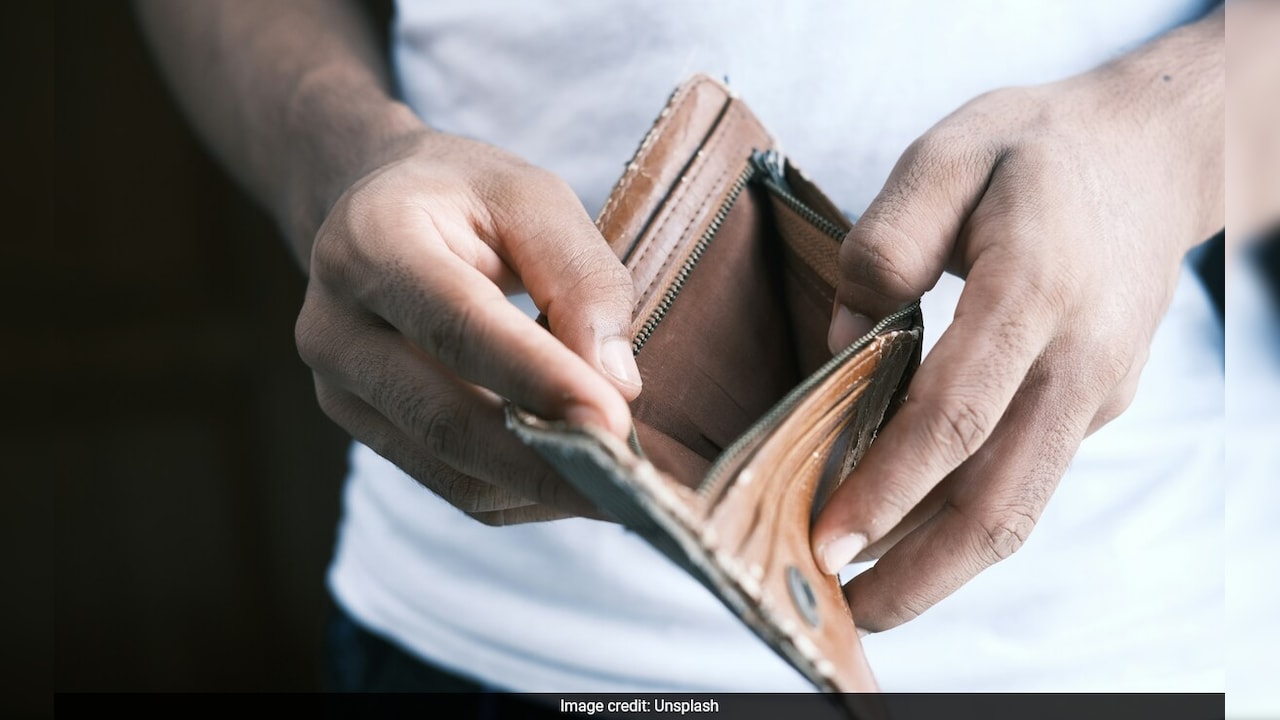
Experts warn against spending immediately after receiving your salary. Learn how impulse buying affects your financial health and how to stop it.
- Impulse buying is a significant threat to long-term personal savings.
- Gen Z is driving massive consumption shifts in fashion and dining.
- Implementing psychological barriers can help curb unnecessary spending.
In an era of one-click checkouts, the line between necessity and impulse has blurred. Recent research conducted by BCG and Snap highlights a growing trend of impulse buying that is systematically eroding the savings of modern consumers. Financial experts are sounding the alarm, advising individuals not to initiate spending the moment their salary hits their bank account.
The Gen Z Consumption Shift
The study underscores that Gen Z is playing a pivotal role in reshaping consumption patterns across multiple sectors, including fashion, footwear, dining, and entertainment. Driven by social media trends and hyper-targeted digital advertising, this demographic is increasingly susceptible to immediate gratification, which often leads to unplanned expenditures.
3 Proven Hacks to Stop Overspending
To protect your financial future, consider these three high-impact strategies:
1. The 72-Hour Rule: Wait three full days before committing to any non-essential purchase to let the emotional urge subside.
2. Pay Yourself First: Automate your savings so that money is moved to a separate account before you even see your disposable income.
3. Disable Notifications: Remove the temptation by turning off promotional alerts from shopping applications.
Why This Matters
BozokMedia analysis shows that the convergence of high-speed digital commerce and psychological triggers is creating a 'consumption trap.' Without intentional financial management, the ease of digital transactions can lead to a cycle of debt and diminished wealth-building capacity.
Mastering your impulses is the first step toward mastering your financial destiny.
Frequently Asked Questions
1. What is the main cause of impulse buying?
It is primarily driven by emotional triggers and the ease of access provided by digital payment systems.
2. How does Gen Z influence the market?
Through high engagement with digital trends and rapid adoption of new lifestyle brands.