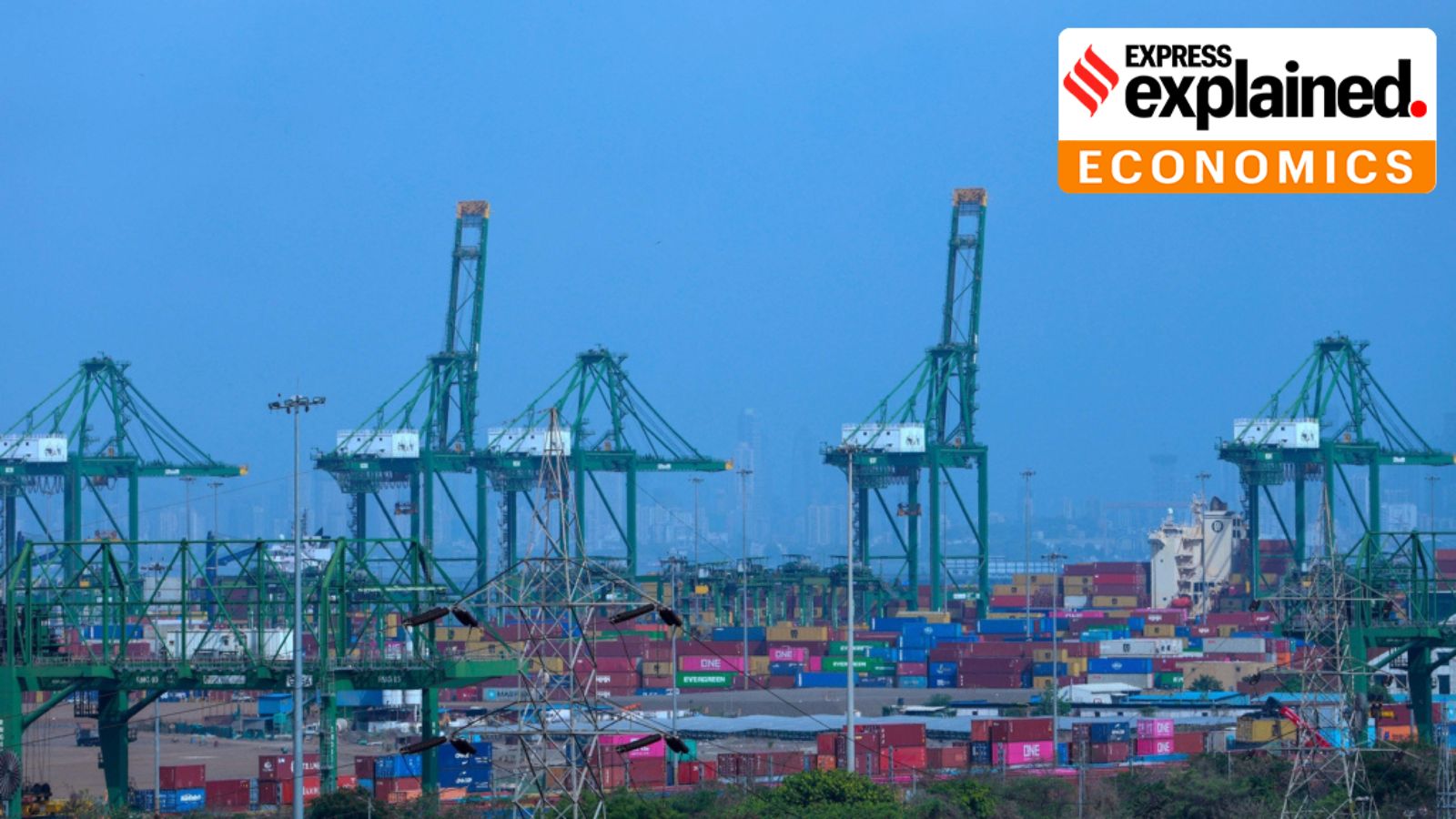
While India's goods exports surged by 15% in Q1 FY27, high logistics costs and declining margins in labor-intensive sectors suggest a much more fragile economic picture.
- India's goods exports rose 15% to $129.32 billion in Q1 FY27.
- High-end sectors like electronics and engineering saw growth, while textiles and tea faced sharp declines.
- Rising freight rates and rupee depreciation are squeezing profit margins for exporters.
India's goods exports have shown remarkable resilience, recording a 15% growth to $129.32 billion during the April-June quarter of FY27. This growth comes despite significant geopolitical disruptions in West Asia and the closure of the strategic Strait of Hormuz. The surge in outbound shipments, which hit a record $44.24 billion in June, initially provided a boost to India's 7.8% GDP growth.
However, a closer inspection of sectoral data reveals a starkly uneven landscape. While high-margin sectors such as electronics (up 22.6%) and engineering goods (up 18.1%) are thriving, the labor-intensive sectors that employ millions are struggling. Textile exports plummeted by 12.4%, and tea exports saw a significant contraction of 17.5%.
Why This Matters
BozokMedia analysis shows that the 'headline numbers' of export growth are masking a critical squeeze on profitability. The West Asia crisis has triggered a massive spike in freight rates, forcing many low-margin exporters to prioritize market share over profit. Consequently, while the volume of goods leaving the country is increasing, the actual economic benefit per unit is diminishing.
Exporters are being forced to lower margins to remain competitive, meaning export figures will not reflect the true dip in profitability.
The role of currency volatility cannot be ignored. The Indian rupee has depreciated by nearly 15% over the last year. While this has acted as a tailwind for IT and pharmaceutical exporters by making them more competitive against China, it has simultaneously increased the cost of imports for energy-dependent sectors, widening the trade deficit.
| Sector | Growth/Decline (%) | Status |
|---|---|---|
| Electronics | +22.6% | Strong |
| Engineering | +18.1% | Strong |
| Textiles | -12.4% | Weak |
| Tea | -17.5% | Critical |
The widening Current Account Deficit (CAD), which rose to $4.2 billion (0.5% of GDP), underscores the growing gap between imports and exports. As the merchandise trade deficit expands to $86.1 billion, the structural vulnerability of India's trade balance becomes increasingly apparent.
Frequently Asked Questions
1. Why are textile and tea exports falling?
These sectors are highly sensitive to rising logistics costs and changes in regional demand caused by West Asian instability.
2. How does the rupee's depreciation affect trade?
It makes exports cheaper and more competitive globally but makes essential imports like oil and raw materials much more expensive.


