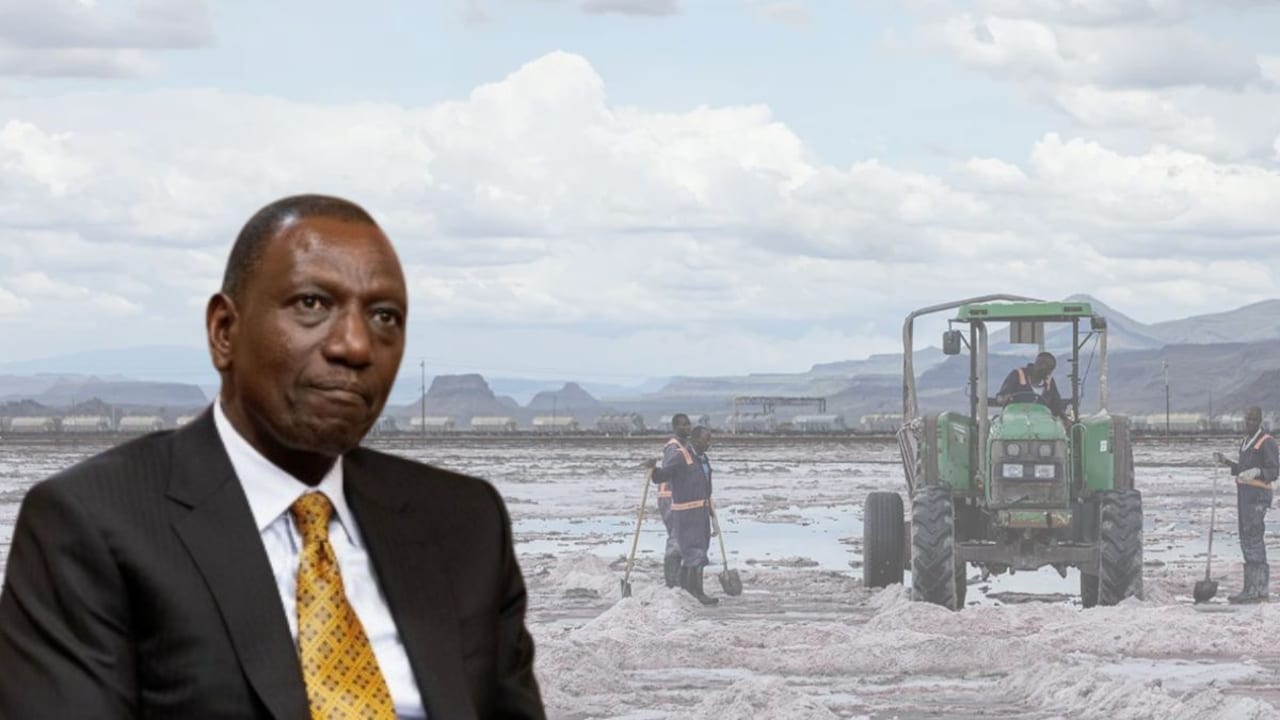
Kenya's President has escalated tensions with Tata Chemicals over unfulfilled industrial promises in Kajiado, questioning the nation's economic sovereignty.
- President questions Tata Chemicals' failure to build a factory in Kajiado despite a 100-year contract.
- The dispute centers on the balance between foreign investment and local industrialization.
- Tata Chemicals defends its role as a vital contributor to Kenya's economy.
In a move that has sent ripples through the industrial sector, the President of Kenya has launched a scathing critique against Tata Chemicals. The crux of the dispute lies in the company's long-term operations in the Magadi region. The President pointed out that while the corporation holds a massive 100-year contract, it has failed to establish a manufacturing plant in Kajiado as expected.
The President's rhetoric took a nationalist turn when he asked, "Are we slaves to other people?" This powerful question highlights the growing friction between large-scale multinational operations and the desire for domestic economic empowerment. In response, Tata Chemicals issued a statement emphasizing that its business operations have historically played a significant role in supporting the Kenyan economy.
Why This Matters
BozokMedia analysis shows that this confrontation is a symptom of a larger global trend where resource-rich nations are demanding more than just extraction rights. Governments are increasingly looking for 'value-addition'—the process of turning raw materials into finished goods locally—to ensure that the economic benefits of their natural resources stay within their borders.
The tension between long-term resource concessions and immediate industrialization needs is reshaping African economic policy.
The Magadi soda flats are a critical economic asset for Kenya, providing essential soda ash used in global manufacturing. For decades, Tata Chemicals has dominated this sector. However, the lack of localized processing infrastructure in Kajiado has turned a commercial arrangement into a high-stakes political standoff.
The outcome of this dispute could set a precedent for how foreign entities negotiate with African governments. If the Kenyan administration successfully pushes for localized manufacturing, it could trigger a wave of renegotiations across the continent's mining and chemical sectors.
Frequently Asked Questions
1. What is the core of the Magadi dispute?
The dispute involves the Kenyan government's dissatisfaction with Tata Chemicals for not building a factory in Kajiado despite their long-term contract.
2. How has Tata Chemicals responded?
The company maintains that it is a key player and a significant contributor to Kenya's economic landscape.