A landmark free trade agreement between India and the US is moving toward completion. India is maintaining a firm stance on protecting key sectors like agriculture and MSMEs.
- The India-US Free Trade Agreement (FTA) is in its final stages of negotiation.
- The pact is being restructured following a significant US Supreme Court ruling on tariffs.
- India is prioritizing preferential tariff rates while safeguarding MSMEs, agriculture, and textiles.
A comprehensive free trade agreement between India and the United States is progressing toward finalization following intensive rounds of bilateral negotiations. This pact is poised to redefine the economic landscape between the two democratic giants. Currently, the trade framework is undergoing strategic reworking in response to a recent United States Supreme Court ruling regarding tariff structures.
High-level officials have confirmed that an initial set of proposals has reached a consensus. The ongoing discussions are meticulously focused on establishing mutually beneficial terms that address the economic nuances of both nations. India, in particular, is working to secure preferential tariff rates that are more competitive than those offered to other major trading partners.
Safeguarding Strategic Industries
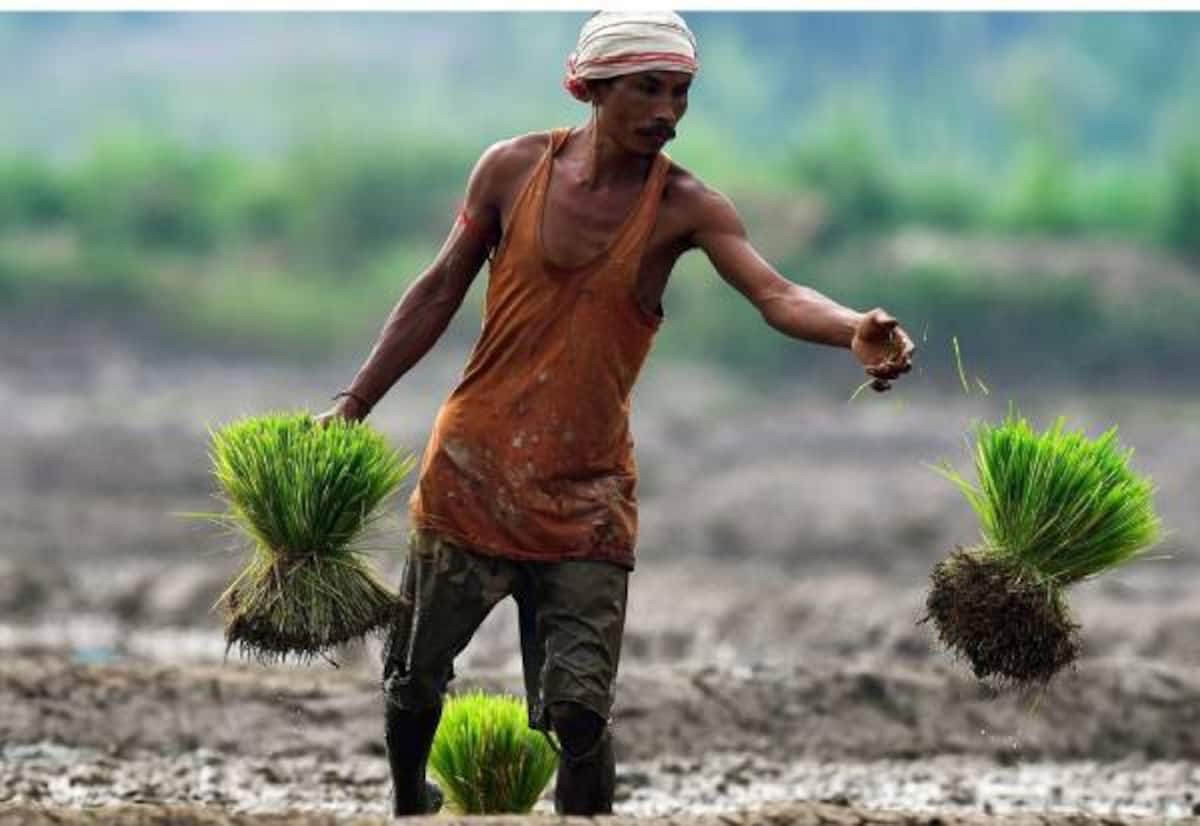
A cornerstone of India's negotiation strategy is the protection of its most sensitive domestic sectors. The Indian government has remained resolute in its commitment to safeguarding agriculture, fisheries, micro, small, and medium enterprises (MSMEs), pharmaceuticals, and textiles. Ensuring that these sectors are not undermined by sudden shifts in trade dynamics is a top priority for New Delhi.
India's negotiation stance highlights a sophisticated balance between global integration and domestic economic resilience.
Why This Matters: BozokMedia Analysis
BozokMedia analysis shows that this trade pact is much more than a mere commercial arrangement; it is a strategic move within the broader Indo-Pacific geopolitical framework. By successfully negotiating protections for its MSMEs and farmers, India aims to integrate into global value chains without sacrificing its internal economic stability. Furthermore, the strengthening of defense cooperation and upcoming high-level leadership engagements suggest that this trade deal is part of a much larger, multi-dimensional partnership.
The ability of both nations to navigate the complexities of tariff demands and domestic sensitivities will likely determine the long-term success of this agreement. As global supply chains continue to shift, a stabilized trade relationship between India and the US could provide much-needed predictability for international investors.
Frequently Asked Questions
1. Why is the trade pact being reworked?
The agreement is being adjusted to align with a recent US Supreme Court ruling regarding tariffs.
2. Which Indian sectors are being prioritized for protection?
India is focusing on protecting agriculture, MSMEs, textiles, fisheries, and the pharmaceutical industry.