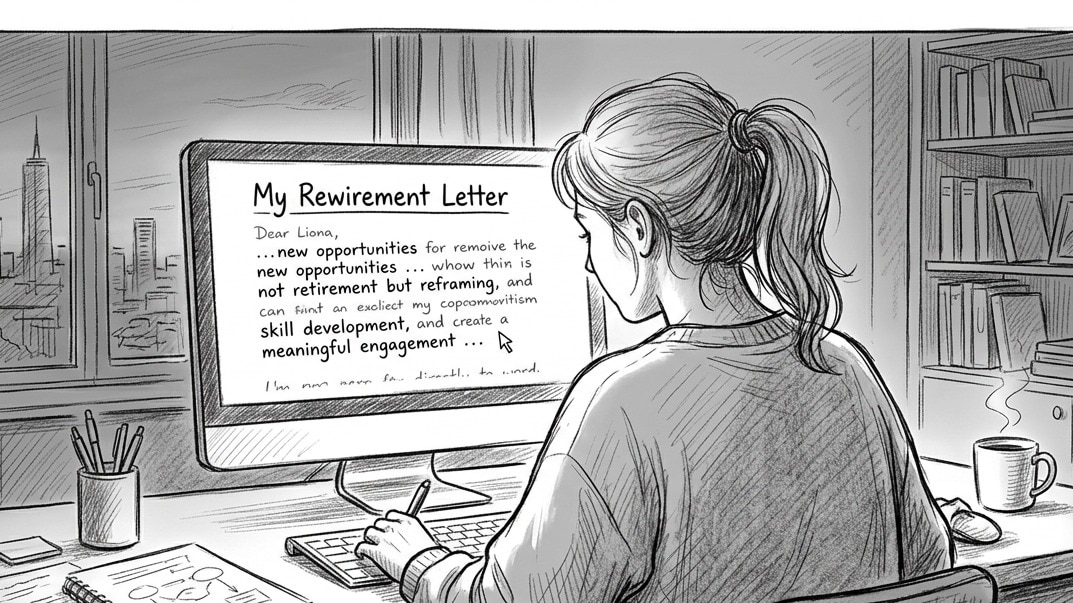
The traditional concept of retirement is evolving. A new trend called 'Rewirement' is emerging, where experienced professionals upskill to remain active contributors to the economy.
- The traditional retirement model is becoming obsolete.
- 'Rewirement' focuses on continuous learning and career pivots.
- Leveraging older talent can drive significant economic innovation.
For decades, the standard life trajectory was predictable: education, followed by a long career, and finally, retirement. However, a seismic shift is occurring in the global labor market. We are moving away from the idea of 'stopping work' toward a concept known as 'Rewirement'.
Rewirement is not merely about working longer; it is about the intentional process of updating one's skill set, embracing new technologies, and pivoting into different roles to stay mentally and professionally engaged. It represents a shift from a fixed career to a fluid, lifelong journey of growth.
Why This Matters
BozokMedia analysis shows that the aging population in developed and developing nations presents both a challenge and an opportunity. By embracing rewirement, organizations can bridge the talent gap and benefit from the immense institutional wisdom that senior professionals possess.
Rewirement is the bridge between the wisdom of experience and the agility of modern technology.
Several drivers are fueling this trend. Improved healthcare means people remain physically capable well into their 70s. Furthermore, the rise of the Gig Economy and remote work has dismantled the rigid 9-to-5 structure, allowing seasoned experts to consult or freelance on their own terms.
Historical Background
The concept of retirement was a relatively modern invention, designed to provide rest after years of manual or industrial labor. In the pre-industrial era, people generally worked as long as they were physically able. Today, the digital revolution is bringing us closer to that model, but with a focus on cognitive agility rather than just physical endurance.
Frequently Asked Questions
1. How does rewirement differ from lifelong learning?
While lifelong learning is the act of gaining knowledge, rewirement is the strategic application of that learning to change or enhance one's professional life.
2. Is rewirement suitable for all industries?
Yes, especially in knowledge-based sectors like consulting, technology, and education where experience is highly valued.