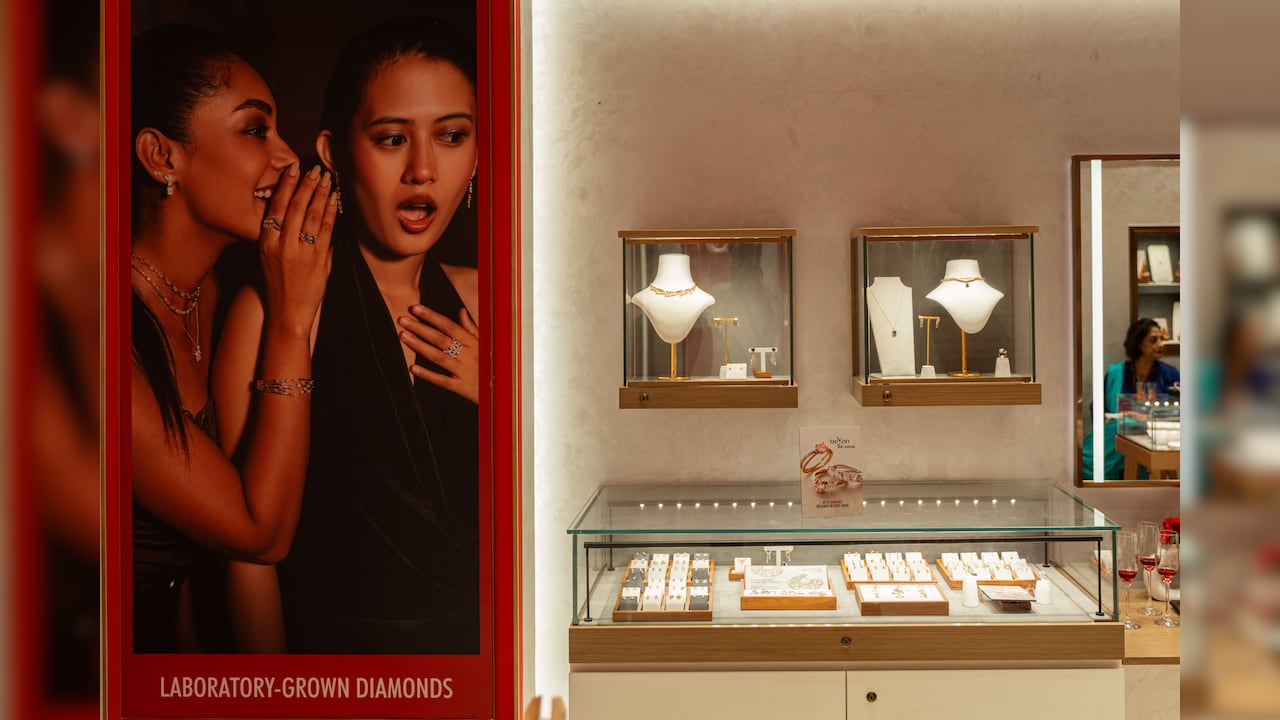
Lab-grown diamonds are disrupting the luxury market with massive price advantages. Learn why they aren't 'fake' and if they are the right choice for you.
- Lab-grown diamonds offer price savings of up to 80-90% compared to natural stones.
- They are chemically, physically, and optically identical to mined diamonds.
- The massive price gap is reshaping the global jewelry industry.
The diamond industry is undergoing a seismic shift. Lab-grown diamonds have transitioned from a niche scientific curiosity to a mainstream luxury powerhouse. A common misconception persists that these stones are 'fake' or 'simulants' like cubic zirconia. However, the reality is far more sophisticated: a lab-grown diamond is a diamond by every scientific definition, distinguished only by its origin rather than its composition.
The Economics of Sparkle
The most compelling driver behind the rise of lab-grown stones is the staggering cost difference. Market data indicates that lab-grown diamonds can cost substantially less than their mined counterparts. In specific categories, the price gap can reach as high as 80 to 90 percent. This massive disparity makes high-end aesthetics accessible to a much broader demographic of consumers.
Why This Matters
BozokMedia analysis shows that this trend is not just a consumer preference shift but a fundamental disruption of the traditional diamond supply chain. As technology scales, the monopoly of mined diamonds is being challenged by ethical and economic considerations.
The emergence of lab-grown diamonds represents the democratization of luxury through advanced material science.
Historical Background: For millennia, diamonds were exclusively sourced from deep-earth mining, requiring immense geological time and environmental impact. Modern science has bypassed this through processes like Chemical Vapor Deposition (CVD) and High Pressure High Temperature (HPHT), mimicking the earth's natural processes in a controlled environment.
| Feature | Natural Diamond | Lab-Grown Diamond |
|---|---|---|
| Origin | Earth's Mantle (Millennia) | Laboratory (Weeks) |
| Composition | Pure Carbon | Pure Carbon |
| Cost Factor | Premium/High | 80-90% Lower |
Frequently Asked Questions
Question 1: Are lab-grown diamonds real diamonds?
Yes, they are chemically, physically, and optically identical to mined diamonds.
Question 2: Do lab-grown diamonds hold value well?
Generally, natural diamonds tend to hold resale value better due to their rarity, whereas lab-grown diamonds are more abundant.


