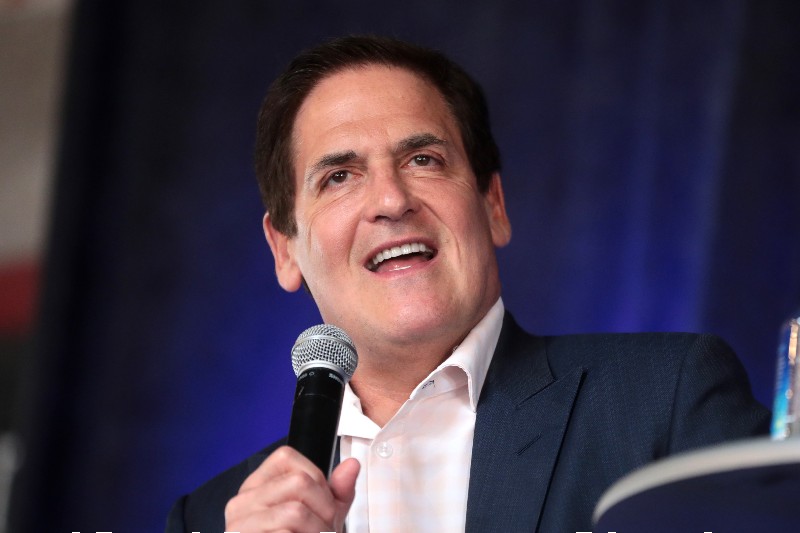
Billionaire Mark Cuban has presented a strategic roadmap to lawmakers to fix the broken healthcare system, targeting pharmacy benefit managers and lack of price transparency.
- Patients are choosing cash prices over insurance because they are significantly cheaper.
- Standardized contracts are needed to prevent 'contractual terrorism' by PBMs.
- Public transparency is essential for pricing, rebates, and fees in taxpayer-funded programs.
- Fines for healthcare violations must be severe enough to act as a true deterrent.
In a high-stakes hearing before the Texas state House, entrepreneur and billionaire Mark Cuban delivered a scathing critique of the current healthcare landscape. As the founder of Cost Plus Drugs, Cuban has become a central figure in the fight for medication accessibility, often clashing with traditional Pharmacy Benefit Managers (PBMs).
Cuban highlighted a systemic failure: many of his customers possess insurance but still opt to pay cash for medications. "They come to us because our cash price is often lower than what their insurance plan asks them to pay," Cuban remarked, noting that this trend is a clear indicator of a broken system.
Why This Matters
BozokMedia analysis shows that the friction between direct-to-consumer drug pricing and traditional insurance-led models is reaching a breaking point. Cuban’s proposal aims to shift the power dynamic from middleman-driven costs to consumer-driven competition.
"Patients should be rewarded for saving themselves and their health plan money. They shouldn't be punished for it." — Mark Cuban
Cuban’s blueprint for reform consists of five pillars. First, he advocates for 'price competition' by allowing patients to access the lowest possible costs outside their health plans, while ensuring these cash expenses count toward their deductibles. This would incentivize patients to shop for value rather than being locked into expensive, opaque insurance structures.
Second, he addressed what he termed "contractual terrorism"—the practice of using massive, hundreds-of-pages-long contracts to hide detrimental provisions. He proposed the implementation of standardized model contracts for state employees and local governments to prevent them from negotiating from scratch every time.
Third, Cuban demanded absolute transparency for any program funded by taxpayers, such as Medicare or Medicaid. He argued that without public data on rebates, fees, and affiliate compensation, "price discovery" is impossible, leaving the market inefficient. Fourth, he called for the elimination of 'gag clauses' that prevent employers from openly discussing contract terms.
Finally, Cuban emphasized the need for aggressive enforcement. He criticized the current state of regulation where multi-billion dollar companies view fines merely as a "cost of doing business." He urged Texas lawmakers to implement much steeper penalties for repeat offenders to ensure true deterrence.
Frequently Asked Questions
1. What is 'Contractual Terrorism' in healthcare?
It refers to the use of overly complex and lengthy contracts by insurers and PBMs to hide unfavorable terms from employers and plan sponsors.
2. How does Cost Plus Drugs differ from traditional pharmacies?
Cost Plus Drugs focuses on extreme price transparency and provides medications at a lower markup compared to traditional insurance-negotiated prices.
