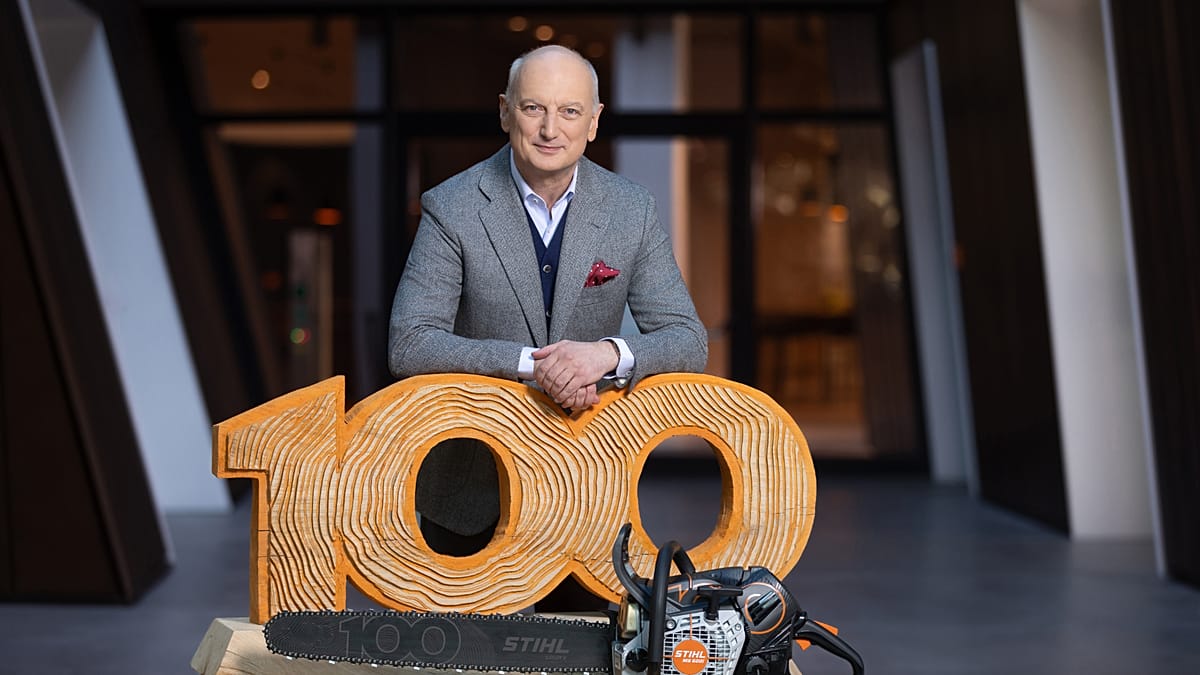
Dr. Nikolas Stihl, chairman of chainsaw giant STIHL, has called for radical reforms, including a 40-hour work week without extra pay, to combat Germany's persistent economic decline and protect its welfare state.
- STIHL Chairman Dr. Nikolas Stihl proposes increasing the work week to 40 hours without additional compensation.
- The proposal aims to safeguard Germany's prosperity and prevent the erosion of its industrial base.
- Key economic hurdles identified include high energy costs, excessive regulation, and rising labor costs.
- Germany has reportedly lost 15% of its industrial output over the last eight years.
In a provocative stance aimed at addressing Germany's structural economic crisis, Dr. Nikolas Stihl, chairman of the world-leading chainsaw manufacturer STIHL, has called for sweeping reforms. Writing for Euronews, Stihl argued that to maintain prosperity and the welfare state, Germany must increase the total volume of work, specifically suggesting a 40-hour work week without extra pay compensation.
The family entrepreneur from Waiblingen warned that the German economy has been trapped in a prolonged state of crisis. He noted a staggering decline in industrial strength, stating that Germany has lost approximately 15 percent of its industrial output over the past eight years, with roughly 15,000 industrial jobs vanishing every month.
Why This Matters
BozokMedia analysis shows that Stihl's comments reflect a growing desperation among Europe's industrial leaders. As global competition intensifies—driven by China's aggressive industrial policies and US tariffs—Germany's high-cost model is facing an existential threat that could reshape the European economic landscape.
The debate over increased working hours is not about employee laziness, but about the fundamental survival of national prosperity.
Beyond labor hours, Stihl identified several 'home-grown' problems stifling growth. He cited an overregulated economy, exorbitant energy costs, high taxation, and a declining level of education and qualifications as primary inhibitors. He urged the government to move toward 'high-quality public administration' that utilizes AI and digitalization to cut through red tape.
STIHL, founded in 1926 by Andreas Stihl, is approaching its centennial anniversary. In 2025, the company reported a massive revenue of €5.48 billion and employs over 20,000 people globally. As a market leader since 1971, the company's stability is a bellwether for the broader German manufacturing sector.
Historical Background
For nearly a century, STIHL has been synonymous with high-quality outdoor power tools. From its humble beginnings in Waiblingen, it has grown into a global powerhouse. However, the post-pandemic era and shifting geopolitical tensions have introduced unprecedented volatility to the manufacturing sectors that STIHL represents.
Frequently Asked Questions
1. Why is STIHL proposing work without extra pay?
Stihl argues that increasing the volume of work is necessary to boost economic output and maintain social benefits without further driving up labor costs that make German industry uncompetitive.
2. What other reforms does Nikolas Stihl suggest?
He advocates for cutting red tape, reducing non-wage labor costs, providing tax incentives for innovation, and digitizing public administration.