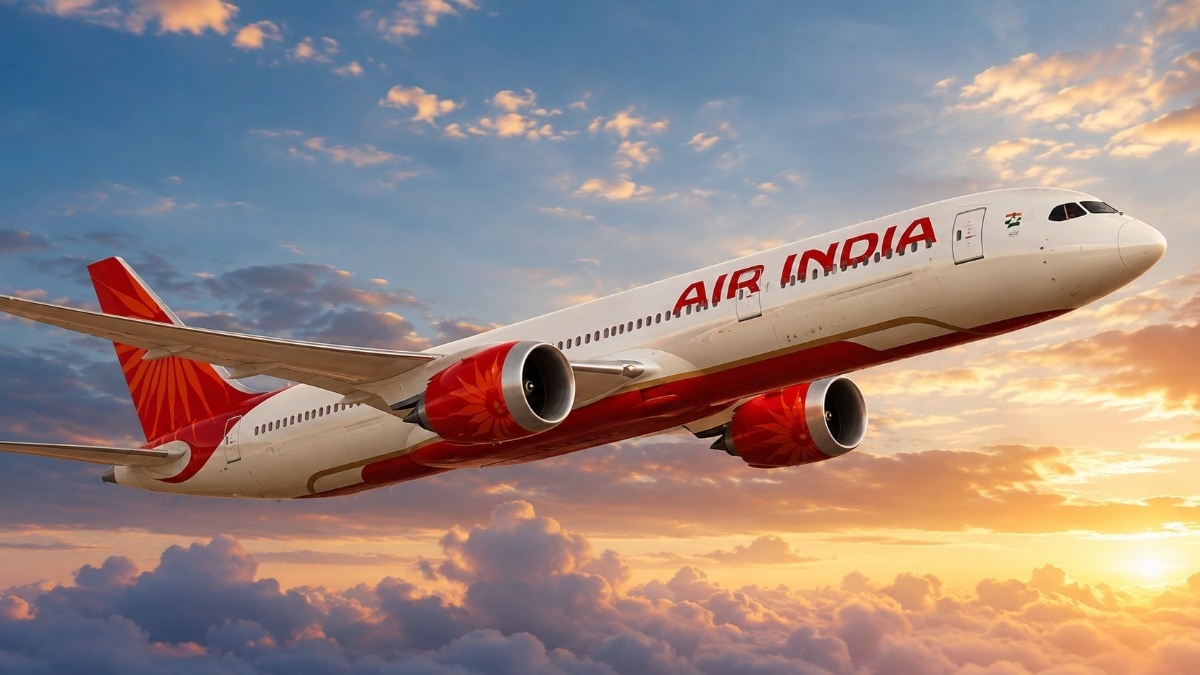
Air India Chairman N Chandrasekaran has called for a culture of cost consciousness to navigate the airline's current difficult phase of financial and operational hurdles.
- Chairman N Chandrasekaran emphasized developing a culture of 'cost consciousness' among all employees.
- The airline's future strategy focuses on safety, customer trust, operational execution, and cost discipline.
- Recent challenges include geopolitical disruptions, fuel price volatility, and airspace closures.
In a decisive move to stabilize the airline's financial trajectory, Air India Chairman N Chandrasekaran has urged employees to adopt a rigorous culture of "cost consciousness." Addressing staff during a recent townhall meeting, Chandrasekaran emphasized that every individual within the organization plays a vital role in controlling costs and improving overall efficiency.
The Chairman outlined a strategic roadmap for the airline's next phase, identifying four critical pillars: Safety, Customer Trust, Operational Execution, and Cost Discipline. He stressed that safety must be ingrained in daily operations through strict compliance and personal accountability, rather than being merely a corporate slogan.
Why This Matters
BozokMedia analysis shows that Air India is currently navigating a high-stakes transition period. Following its acquisition by the Tata Group, the airline has faced a perfect storm of external pressures, including geopolitical instability, fluctuating fuel costs, and airspace disruptions. Implementing strict cost discipline is essential for the airline to achieve long-term profitability and compete effectively with global carriers.
Safety is not about what we say; it is about what we do every day.
The townhall also marked a significant leadership transition. Chandrasekaran extended his gratitude to outgoing CEO and MD Campbell Wilson for steering the airline through one of its most pivotal eras. Simultaneously, the airline prepares for the arrival of incoming CEO and MD Tewolde Gebremariam.
Chandrasekaran highlighted the unique emotional connection the Indian public has with the carrier, noting that while it faces criticism, the entire nation is ultimately rooting for its success. This emotional capital is seen as one of Air India's greatest strategic strengths as it moves forward.
Historical Background
Air India has undergone massive structural changes since transitioning from a state-owned entity to a private enterprise under the Tata Group. While the airline aims to reclaim its former glory as a premier global carrier, the journey has been marred by legacy issues, operational setbacks, and the need for massive fleet and infrastructure upgrades.
Frequently Asked Questions
Question 1: What are the four pillars of Air India's next phase?
Answer: Safety, customer trust, operational execution, and cost discipline.
Question 2: Why is Air India focusing on cost consciousness now?
Answer: To overcome recent financial losses and operational challenges caused by geopolitical and economic disruptions.

