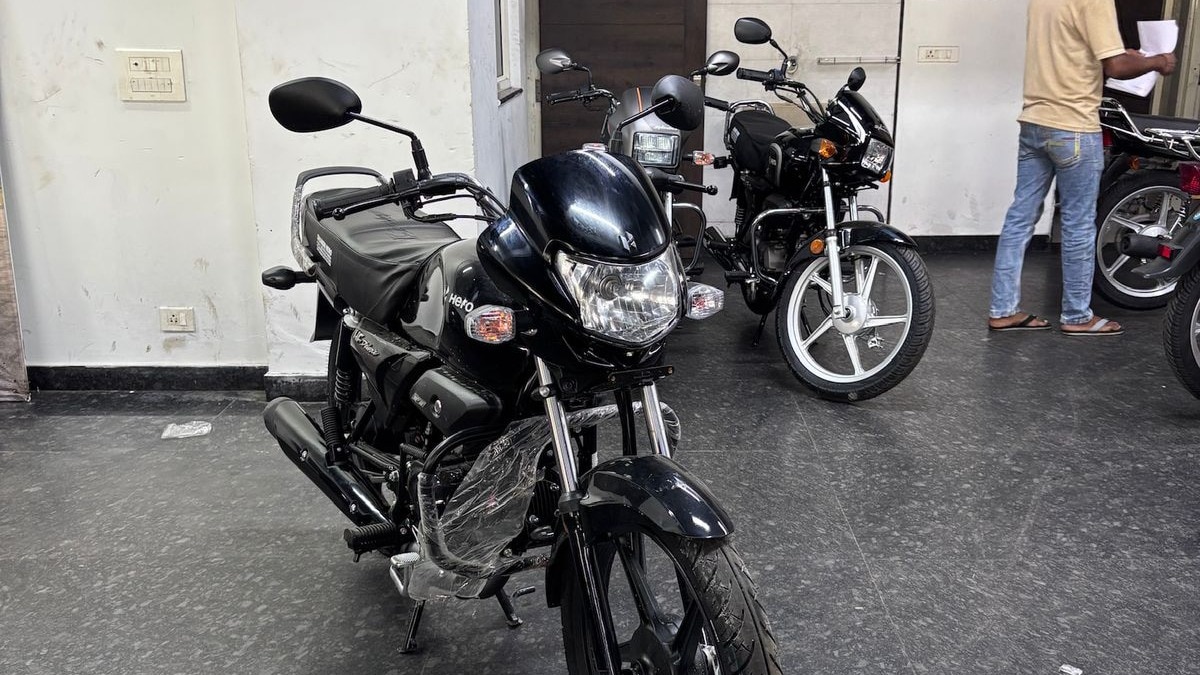
An experiential and analytical look at Flipkart's massive expansion into quick commerce and high-ticket automotive sales, illustrating how the e-commerce giant is consolidating its position against key competitors.
- Flipkart has successfully expanded from traditional e-commerce into hyper-local quick commerce and high-value automotive sales.
- The platform now delivers everyday groceries like fresh tomatoes alongside premium vehicles like brand-new motorcycles.
- This strategic shift positions Flipkart to directly challenge both quick-commerce players like Blinkit and traditional automotive dealerships.
The Indian e-commerce landscape is witnessing an unprecedented paradigm shift. There was a time when online shopping was strictly reserved for books, apparel, and electronics. Today, that boundary has been completely shattered. Bengaluru-based e-commerce giant Flipkart is no longer just a marketplace; it has evolved into a comprehensive mega-app where a consumer can order fresh tomatoes and a beverage can for breakfast, and purchase a brand-new motorcycle for their garage—all within the same transaction ecosystem.
Founded in 2007 as a modest online bookstore, the Walmart-owned retail giant has consistently pivoted to capture shifting consumer behaviors. Its recent foray into the quick-commerce sector via Flipkart Minutes directly challenges established hyper-local delivery services like Blinkit, Zepto, and Instamart. Simultaneously, by integrating a dedicated two-wheeler category, Flipkart is disrupting the traditional, often tedious automotive dealership network in India.
This dual-pronged strategy—delivering groceries in under 15 minutes while facilitating high-value vehicle purchases—demonstrates a profound understanding of the modern Indian consumer. It highlights an era of high digital trust, where consumers no longer hesitate to make high-ticket transactions online, backed by secure payment gateways, easy financing options, and robust customer support systems.
Why This Matters
BozokMedia analysis shows that Flipkart’s diversification is a masterclass in ecosystem lock-in. By catering to both low-margin, high-frequency daily essentials (like groceries) and high-margin, low-frequency luxury assets (like motorcycles), Flipkart ensures that it remains the primary digital touchpoint for Indian households, effectively squeezing out single-category competitors.
"The integration of ultra-fast grocery delivery and high-ticket automotive sales on a single digital platform represents the ultimate maturity of the Indian e-commerce market. Trust is no longer a barrier."
In the automotive segment, Flipkart has partnered with leading two-wheeler manufacturers and local authorized dealerships. When a customer purchases a motorcycle online, the platform streamlines the entire process, including ex-showroom pricing, RTO registration, insurance documentation, and delivery scheduling. Customers can choose between home delivery or picking up the vehicle from a nearby dealership, bypassing traditional showroom negotiations.
| Category | Delivery Timeframe | Key Products Offered | Primary Target Audience |
|---|---|---|---|
| Quick Commerce (Minutes) | 10 - 20 Minutes | Tomatoes, Beverages, Snacks | Urban, time-poor consumers |
| Standard E-Commerce | 1 - 3 Days | Electronics, Apparel, Home Decor | Pan-India mass market |
| Automotive (Two-Wheelers) | Scheduled / Dealer Pick-up | Electric Scooters, Motorcycles | Tech-savvy, convenience-first buyers |
Frequently Asked Questions
Q1: How does the motorcycle delivery process work on Flipkart?
Answer: After purchasing the motorcycle on Flipkart, the platform connects you with a local authorized dealer to complete RTO registration and insurance. Once the paperwork is ready, you can either collect the bike or have it delivered to your doorstep.
Q2: What is Flipkart Minutes?
Answer: Flipkart Minutes is Flipkart's hyper-local quick commerce service designed to deliver groceries, fresh produce, electronics, and daily essentials within 10 to 15 minutes.