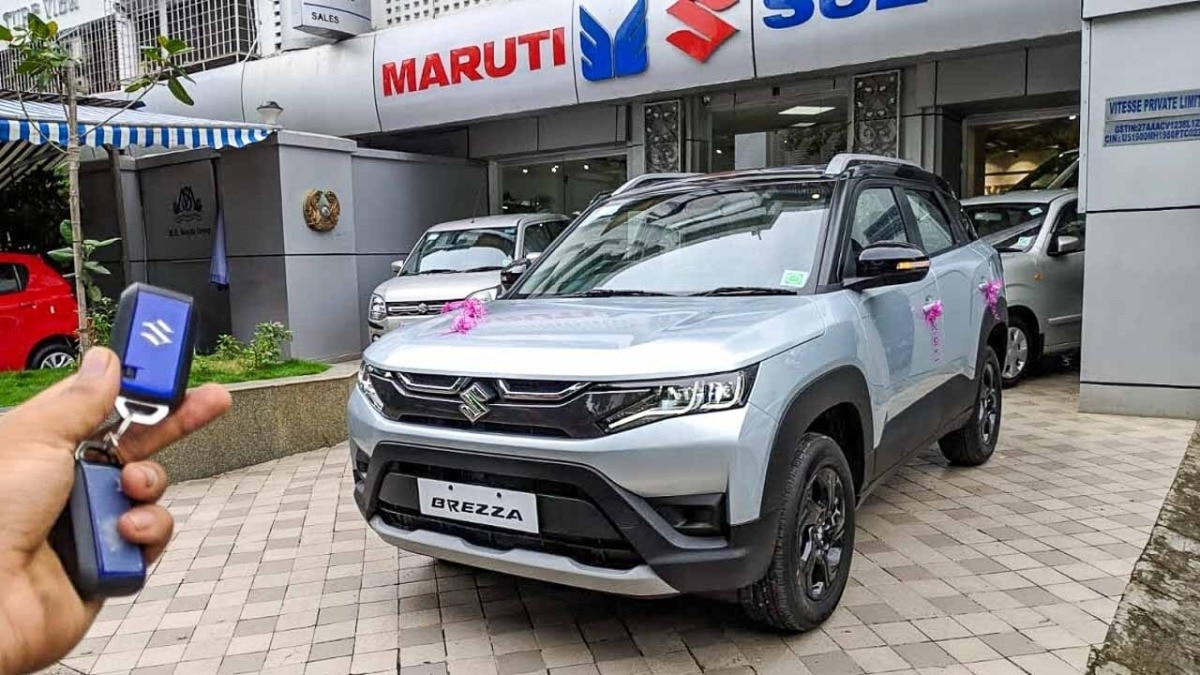
Maruti Suzuki has announced a price increase of up to Rs 20,000 on select models starting September, marking its third price revision since May due to rising input costs.
- Maruti Suzuki to raise prices of select models by up to ₹20,000 from September.
- This is the third price hike since May 2026.
- Driven by inflation, high input costs, and global trade disruptions.
Owning a Maruti Suzuki vehicle is set to become more expensive as India's largest carmaker implements its third price revision within a few months. The company announced on Monday that prices for select car models will rise by up to Rs 20,000 starting in September, citing relentless inflationary pressures and rising manufacturing costs.
Unlike the previous two price hikes in June and August—which affected the entire passenger vehicle portfolio—this latest revision is strategically limited to specific models. This targeted approach suggests a cautious attempt to balance cost recovery without alienating the entire customer base right before the crucial festive season.
Drivers Behind the Price Surge
The company has highlighted a combination of factors leading to this decision. Primarily, the elevated cost of raw materials and overall inflation have squeezed margins. While Maruti Suzuki attempted to absorb these costs through internal efficiency and cost-saving measures, the persistence of high commodity prices has made a price pass-through inevitable.
Furthermore, global geopolitical tensions, specifically the renewed conflict in the Middle East, have disrupted key trade routes and energy markets. This has directly increased the cost of logistics and essential inputs used in vehicle production, creating a ripple effect across the supply chain.
Why This Matters
BozokMedia analysis shows that this trend reflects a broader systemic struggle within the Indian automotive sector. When a market leader like Maruti Suzuki raises prices three times in one year, it indicates that the 'cost-absorption' phase for manufacturers has ended, and the financial burden is now shifting entirely to the end consumer.
"The automotive industry is currently trapped between rigid production costs and a highly price-sensitive consumer market, making every price hike a strategic gamble."
Maruti is not alone in this struggle. Industry data reveals that Tata Motors Passenger Vehicles has raised prices twice this year, while Mahindra & Mahindra and Hyundai Motor India have each implemented one price hike. The collective movement suggests a sector-wide struggle against macroeconomic headwinds.
| Automaker | Price Hikes (2026) | Scope of Increase |
|---|---|---|
| Maruti Suzuki | 3 | Select & Portfolio-wide |
| Tata Motors | 2 | Passenger Range |
| Hyundai/Mahindra | 1 | Specific Models |
Frequently Asked Questions
Q1: Does the September price hike apply to all Maruti Suzuki cars?
No, unlike the June and August hikes, this specific revision applies only to select models.
Q2: What is the maximum price increase for this round?
The maximum increase announced for select models is Rs 20,000.

