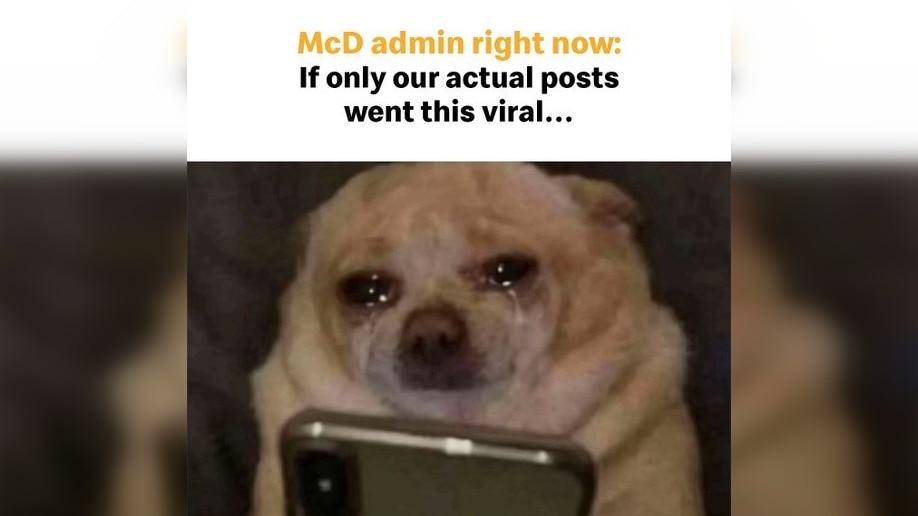
In a witty turn of events, McDonald's India has utilized meme culture to respond to a deleted X post concerning an intern's salary claims, sparking massive online engagement.
- An intern's post regarding salary claims triggered social media discussions.
- McDonald's India opted for a meme-based response instead of a formal statement.
- The interaction highlights the growing trend of 'Meme Marketing' in corporate communications.
The digital landscape witnessed a unique interaction recently when McDonald's India decided to tackle a social media controversy using humor. The incident traces back to a post on X (formerly Twitter), where an individual claiming to be an intern made specific assertions regarding the company's compensation structure for interns.
While the original post in question was subsequently deleted, the ripples it created were significant. Rather than issuing a traditional, stiff corporate rebuttal, McDonald's India took a different route by sharing a meme. This move has effectively pivoted the conversation from a potentially negative debate about wages to a lighthearted engagement with its digital audience.
Why This Matters
BozokMedia analysis shows that the way modern brands navigate social media controversies is shifting from damage control to brand personality reinforcement. By using memes, McDonald's India is speaking the language of its younger demographic, potentially turning a PR risk into a moment of brand relatability.
Using humor to address corporate grievances is a high-stakes strategy that can either humanize a brand or appear dismissive of serious concerns.
Historically, large corporations have preferred the safety of formal press releases when dealing with employee-related claims. However, the rise of 'Internet Culture' has forced even global giants to adapt. This shift indicates that for brands targeting Gen-Z and Millennials, being 'human' and 'funny' is often more valuable than being strictly formal.
The implications of this move are twofold. On one hand, it prevents the controversy from gaining heavy momentum by deflecting it with laughter. On the other hand, it risks being perceived as trivializing the concerns of its workforce. As social media continues to evolve, the line between professional communication and viral entertainment continues to blur.
Frequently Asked Questions
Question 1: What was the controversy about?
Answer: The controversy involved an intern making claims about salary levels at McDonald's India on X.
Question 2: Did McDonald's issue a formal statement?
Answer: No, the company chose to respond via a meme rather than a formal legal or corporate statement.