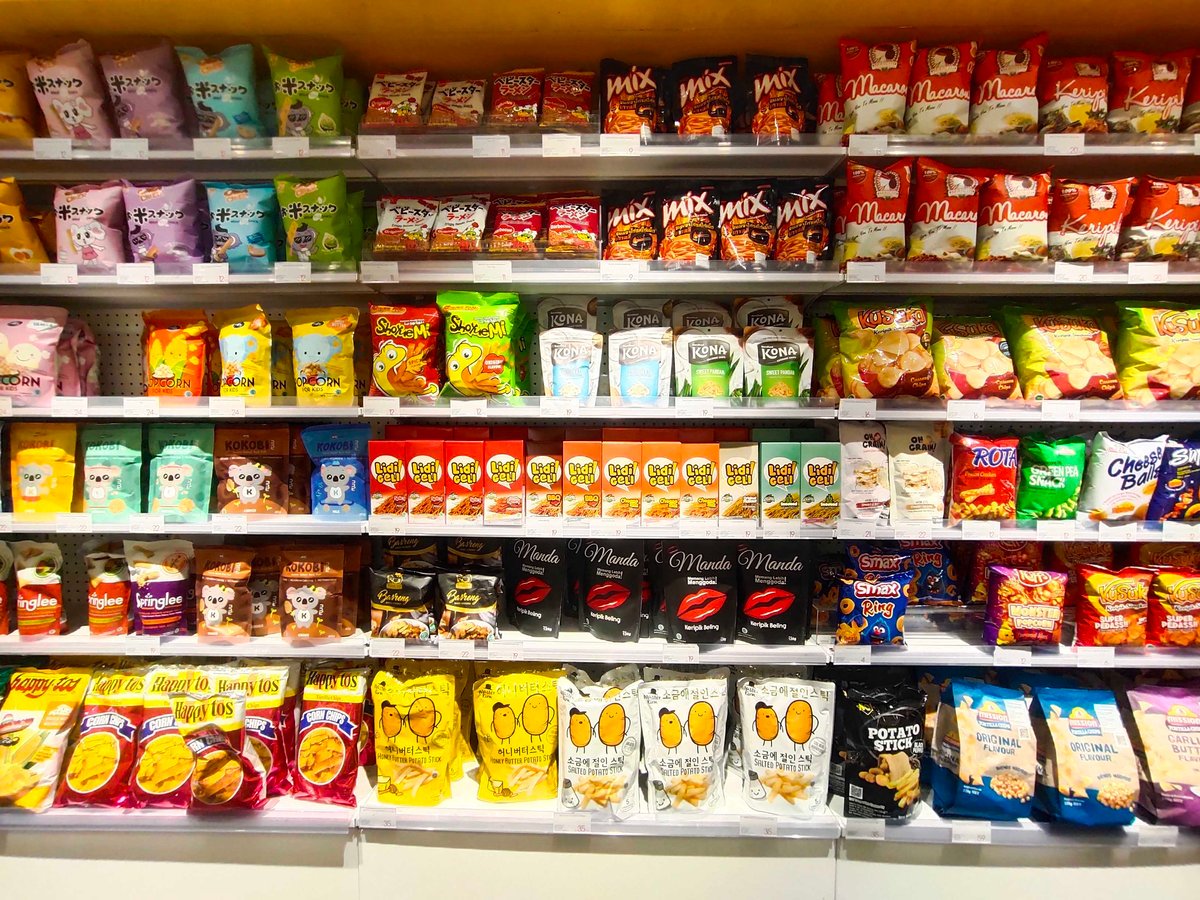
Mondelez CEO Dirk Van De Put has offloaded 134,000 shares, netting approximately $8.5 million in a significant corporate transaction.
- CEO Dirk Van De Put sold 134,000 shares of Mondelez.
- The transaction totaled approximately $8.5 million.
- Market analysts are closely monitoring the impact on investor sentiment.
In a significant move within the corporate sector, Dirk Van De Put, the Chief Executive Officer of global snacking giant Mondelez International, has executed a substantial sale of company stock. According to recent filings, the executive sold 134,000 shares, generating approximately $8.5 million in proceeds.
Such high-volume transactions by top-tier executives often trigger immediate scrutiny from institutional investors and market analysts. While share sales by CEOs can sometimes signal internal concerns, they are frequently part of pre-planned diversification strategies or personal financial management. At this stage, the market is evaluating whether this move reflects a shift in leadership confidence or a routine liquidation.
Why This Matters
BozokMedia analysis shows that executive stock movements serve as a critical barometer for market sentiment. For a blue-chip company like Mondelez, which manages iconic brands like Oreo and Cadbury, any significant reduction in insider holdings can influence short-term stock volatility and investor perception of the company's valuation.
Large-scale insider selling is a common practice for wealth management, yet it remains a focal point for market psychology and volatility.
Historical Background: Mondelez International stands as a cornerstone of the global consumer goods industry. Over the last decade, the company has undergone massive restructuring to focus on high-growth snacking categories, making its leadership's financial decisions highly relevant to global commodity and consumer trends.
Frequently Asked Questions
Question 1: Is this sale a sign of trouble at Mondelez?
Not necessarily; executive sales are often part of scheduled Rule 10b5-1 trading plans for personal liquidity.
Question 2: How does this affect the stock price?
While it may cause temporary fluctuation, the long-term price is driven by company earnings and market demand.
