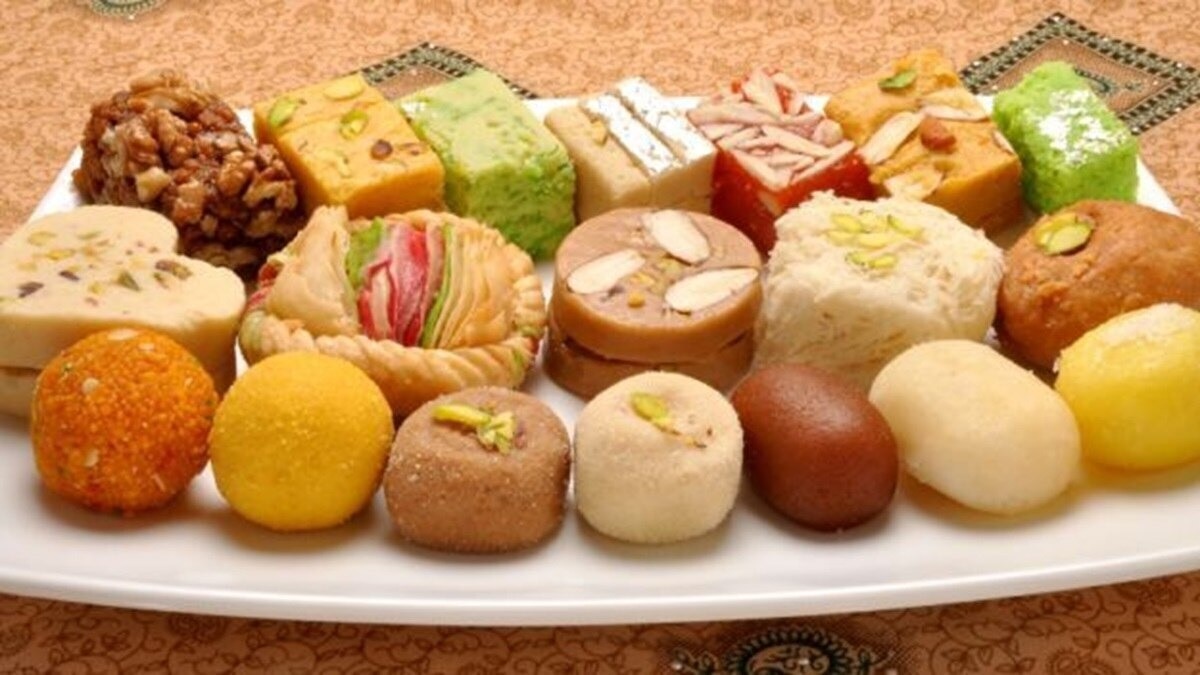
Soaring sugar costs are forcing food companies to consider price hikes or smaller packaging, potentially impacting the cost of sweets, cookies, and chocolates during the upcoming festive season.
- Retail sugar prices surged from ₹47/kg in June to ₹62/kg in September.
- Food companies are contemplating 2-5% price hikes or 'shrinkflation' tactics.
- Lower sugar production due to pests and waterlogging is driving the supply crunch.
As the festive season approaches, the joy of celebrations may be tempered by rising grocery bills. Rising sugar prices are exerting significant pressure on food manufacturing companies, with sweets, biscuits, cookies, chocolates, and beverages poised to become more expensive for the average consumer.
To combat rising raw material costs, many brands are weighing two strategies: increasing retail prices or implementing 'shrinkflation'—reducing the product's weight while maintaining the same price point. This shift is particularly critical in the packaged food sector, where sugar is a primary ingredient.
Why This Matters
BozokMedia analysis shows that the volatility in sugar markets creates a ripple effect across the entire FMCG (Fast-Moving Consumer Goods) sector. Unlike personal care products, food products have a much higher component of raw material costs, making them highly sensitive to commodity price fluctuations.
Companies have no option but to pass on price increases to consumers to protect their margins.
For instance, Bikaji Foods has already initiated a roughly 2% price increase across its sweets portfolio. According to CFO Rishabh Jain, sugar procurement costs remain approximately 20% higher than they were just two months ago, despite government intervention efforts.
Industry analysts at Anand Rathi suggest that the cumulative rise in the prices of sugar, tea, and coffee could trigger a broader round of price hikes or volume reductions in packaged goods, potentially ranging between 2% and 5%.
Historical Context & Supply Dynamics
The current crisis is rooted in production shortfalls. Government estimates for the current sugar season (October to September) are set at approximately 306 lakh metric tonnes (LMT), significantly lower than the initial projection of 343 LMT. Factors such as pest infestation and waterlogging in key growing regions have severely hampered yields.
| Metric | June 2026 | September 2026 |
|---|---|---|
| Avg. Retail Price (per kg) | ₹47 | ₹62 |
| Avg. Wholesale Price (per quintal) | ₹4,350 | ₹5,747 |
Long-term Outlook
While the government has allowed raw sugar imports for the first time in a decade to stabilize the market, experts remain cautious. Pushan Sharma, director at Crisil Intelligence, noted that while these measures might address immediate festive demand, they may not provide long-term relief due to structural issues like declining sugar recovery rates in India.
Frequently Asked Questions
1. How will sugar prices affect my festive shopping?
Expect to pay more for sweets, biscuits, and chocolates, or receive smaller portions for the same price.
2. Why is sugar becoming so expensive?
The price hike is driven by lower-than-expected production caused by weather issues and pest attacks.