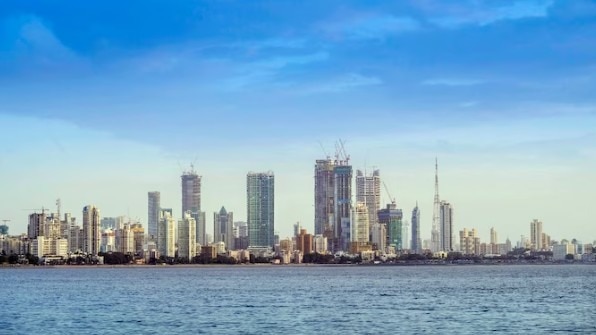
As Mumbai's skyline reaches new heights, a debate has erupted on social media regarding the long-term viability of luxury high-rise towers and their massive maintenance costs.
- Growing debate on Reddit regarding the long-term value of Mumbai's luxury high-rises.
- Concerns raised over escalating maintenance costs and structural repairs after 30 years.
- The critical importance of redevelopment feasibility for aging skyscraper communities.
The skyline of Mumbai has been transformed by a surge in luxury high-rise towers, becoming a hallmark of the city's real estate market. However, a pressing question is now emerging: what happens to these gleaming skyscrapers once they age? A recent discussion on the Reddit Indian Real Estate forum has ignited a massive debate regarding the long-term sustainability and investment value of these vertical marvels.
The Complexity of High-Rise Maintenance
Unlike independent houses, maintaining a high-rise society is an incredibly complex endeavor. As these buildings cross the 20 to 30-year mark, critical systems such as elevators, fire safety mechanisms, water pumps, electrical installations, plumbing networks, and building facades require intensive upkeep. In a coastal city like Mumbai, the corrosive effects of salt air can further accelerate the deterioration of external structures.
BozokMedia analysis shows that the cost of maintaining shared amenities in high-rises does not grow linearly; it often spikes exponentially as aging infrastructure requires complete technological overhauls rather than mere repairs.
The lifespan of a high-rise is determined less by its initial construction and more by the rigor of its long-term maintenance regime.
Social Media Divided: Anxiety vs. Optimism
The online discourse surrounding this issue is sharply divided. One segment of users expresses deep concern regarding the 'maintenance trap.' They argue that if maintenance costs skyrocket and redevelopment becomes legally or structurally difficult, the resale value of these properties could plummet, leaving investors stranded.
Conversely, an optimistic faction argues that modern construction technology allows buildings to be designed for a 50-to-75-year lifespan. They contend that if high-quality materials are used and a systematic maintenance schedule is followed, these towers can remain safe and functional for many decades.
Why This Matters
This debate is crucial because it shifts the focus of real estate investment from 'amenities and location' to 'structural longevity and lifecycle costs.' For the Mumbai market, the next three decades will be a litmus test for whether the current boom in high-rise construction is a sustainable urban model or a looming maintenance crisis.
Frequently Asked Questions
1. Why is high-rise redevelopment harder than low-rise?
High-rises involve complex structural dependencies, higher costs per square foot, and more complicated legal permissions for redevelopment.
2. How can residents prepare for rising maintenance costs?
Establishing a robust sinking fund and conducting regular structural audits are essential strategies for long-term stability.