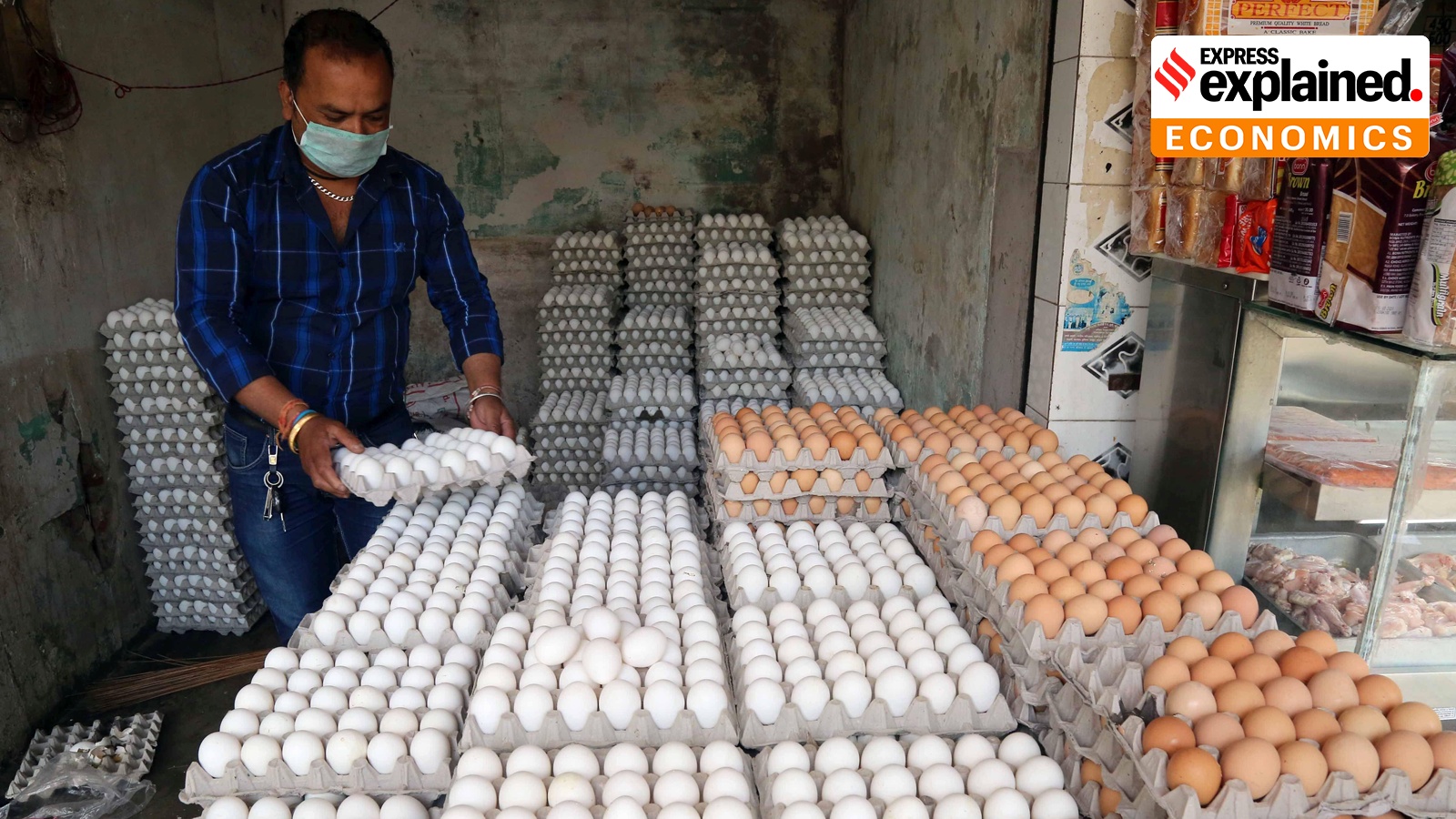
Rising costs of essential feed ingredients like maize and soybean meal are keeping poultry and dairy prices high. Despite shifts in demand, production costs remain a significant hurdle for farmers.
- Feed costs constitute 65-70% of total egg production expenses.
- High volatility in maize and soybean meal prices is driving up retail rates.
- Climate factors like El Niño have contributed to bird mortality and supply issues.
The Indian livestock sector has seen a monumental rise, with its gross value added reaching 57% of the crop sector's value in 2023-24. However, this growth is facing a severe bottleneck: the spiraling cost of animal feed. For poultry and cattle, carbohydrates and proteins are non-negotiable, and their primary sources are seeing unprecedented price hikes.
The Feed Cost Crisis
Livestock, including broiler chickens and dairy cattle, rely heavily on maize for energy. In broiler feed, maize accounts for 55-65% of the weight. Additionally, protein is sourced from soybean meal and various oilseed cakes. Recent data shows that maize prices in key markets have climbed steadily, while soybean meal prices experienced a massive surge from approximately ₹38,000 to over ₹58,000 per tonne in certain intervals.
Why This Matters
BozokMedia analysis shows that the livestock industry is caught in a supply-chain squeeze. As feed represents the lion's share of production costs, any fluctuation in agricultural commodities like maize or soy is immediately passed down to the consumer in the form of higher prices for milk, eggs, and meat.
Soybean meal prices have come off their peak, but just as they ease, maize prices are hardening—it is like a ping-pong game.
The impact is visible at the retail level. In Delhi, egg prices have seen significant upward pressure, with retail rates hovering between ₹7-9 per egg. The National Egg Co-ordination Committee (NECC) noted that average prices this year were nearly 38.7% higher than the previous year, driven by both feed costs and heat stress in birds due to climatic shifts.
Historical Background
Historically, the Indian agricultural landscape was dominated by foodgrains and cash crops. However, the transition toward a high-value livestock economy has increased the sector's sensitivity to global commodity markets, making food security for protein-rich diets more dependent on feed-crop stability.
| Ingredient | Aug 2025 Avg Price | Aug 2026 Avg Price |
|---|---|---|
| Maize (per quintal) | ₹2,537 | ₹2,759 |
| Soybean Meal (per tonne) | ₹38,186 | ₹58,156 |
Frequently Asked Questions
1. What is the main reason for high chicken prices?
The primary driver is the increased cost of broiler feed, specifically maize and soybean meal.
2. Will weather affect food prices?
Yes, extreme heat and delayed monsoons can lead to higher bird mortality and lower production, driving prices up.

