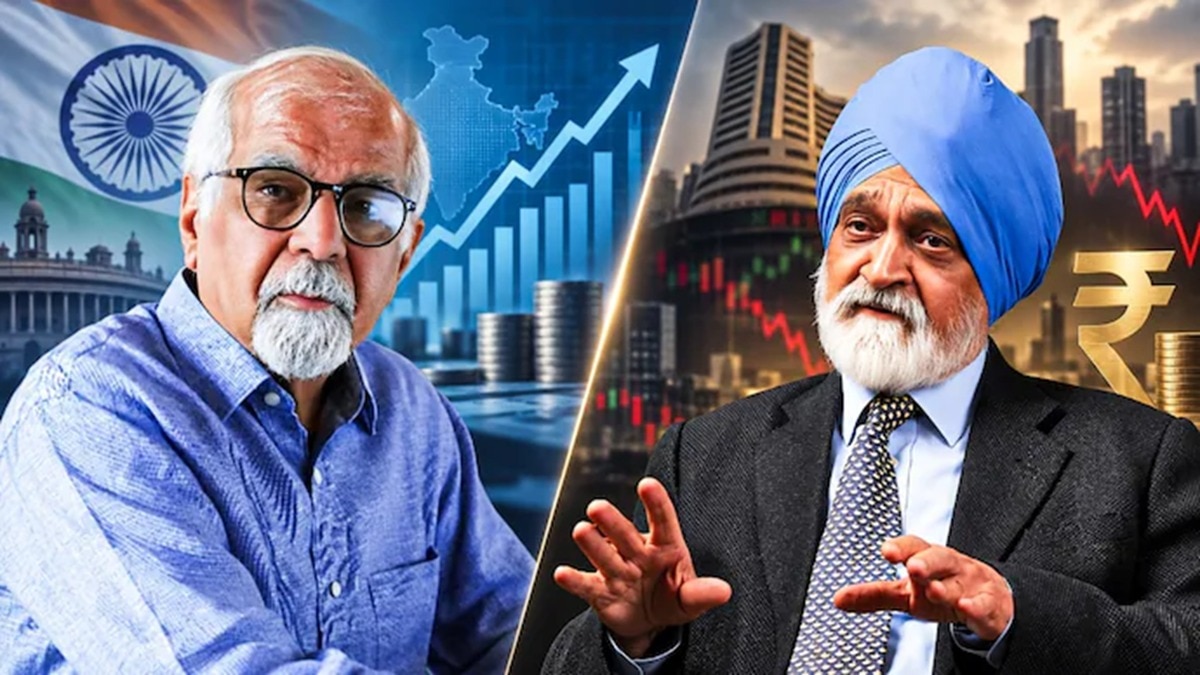
While India recorded a robust 7.8% GDP growth in Q1 FY27, leading economists warn that current momentum may not be enough to achieve the 'Viksit Bharat 2047' vision. Allegations of data manipulation have also sparked a fierce political debate.
- India's GDP growth for Q1 FY2026-27 stands at a strong 7.8%.
- Economists Surjit Bhalla and Montek Singh Ahluwalia dismissed allegations of data manipulation.
- Experts warn that higher, sustained growth is required to reach the 2047 developed nation goal.
- Former Finance Secretary Subhash Chandra Garg raised concerns over data revisions.
The Indian economy has reported a stellar 7.8% GDP growth in the first quarter of the fiscal year 2026-27. This figure comes amidst significant global headwinds, including crises in West Asia and broader economic volatility. While the numbers suggest a resilient trajectory, they have also ignited a heated debate regarding the methodology of GDP calculation.
Former Finance Secretary Subhash Chandra Garg has raised eyebrows by questioning the massive revisions in previous quarters' data. Garg pointed out a discrepancy of nearly ₹6 lakh crore between old and new series figures, suggesting that the actual growth might be significantly lower. This stance has been echoed by the Congress party, which has accused the government of manipulating statistics to present a favorable economic picture.
Why This Matters
BozokMedia analysis shows that the credibility of national statistics is a cornerstone of investor confidence. While the Ministry of Statistics and Programme Implementation (MoSPI) maintains that the new series uses superior data sources and a more modern methodology, the political friction surrounding these numbers could impact India's perception in global markets and among FDI contributors.
A 7.8% growth rate is a positive signal, but the journey to 'Viksit Bharat 2047' requires more than just a few strong quarters.
In response to the controversy, two prominent economists, Surjit Bhalla and Montek Singh Ahluwalia, have come forward to defend the integrity of the data. Bhalla noted that if the government intended to inflate figures, they would have likely increased consumption data as well, whereas the new series actually shows a downward revision in consumption patterns.
Montek Singh Ahluwalia, a former Deputy Chairman of the Planning Commission, observed that the economy is performing more robustly than previous pessimistic projections suggested. However, he emphasized a critical caveat: to transform India into a developed nation by 2047, the current pace must be supplemented by long-term, high-velocity growth that can significantly boost per capita income in dollar terms.
Historical Background
The transition to a new GDP base year (2022-23) represents a significant shift in India's statistical landscape. Moving to a more contemporary base year is intended to align Indian economic data with modern consumption patterns and digital economy trends, though it inevitably creates complexities when comparing historical performance with current metrics.
Frequently Asked Questions
1. Why is there a dispute over the GDP numbers?
The dispute stems from revisions in previous quarters' data and the implementation of a new statistical series, which critics claim masks a lower growth rate.
2. What is the primary requirement for 'Viksit Bharat 2047'?
Economists suggest that India needs sustained, high-speed economic growth and a massive increase in per capita income to meet the developed nation criteria.
