Indian activated carbon manufacturers are urging the central government for urgent support as skyrocketing coconut shell prices and aggressive Chinese competition threaten a ₹4,700 crore export market.
- Rising costs of coconut shells are making Indian activated carbon uncompetitive globally.
- Chinese firms are dominating markets in Africa and Europe by sourcing raw materials from Indonesia and Philippines.
- Exporters are proposing GST implementation on coconut shells to regulate pricing.
The Activated Carbon Manufacturers Association has raised a red flag regarding the sustainability of the industry in India. With the export market for carbon-based products valued at approximately ₹4,700 crore, the industry is currently facing a dual crisis: domestic raw material inflation and predatory international competition.
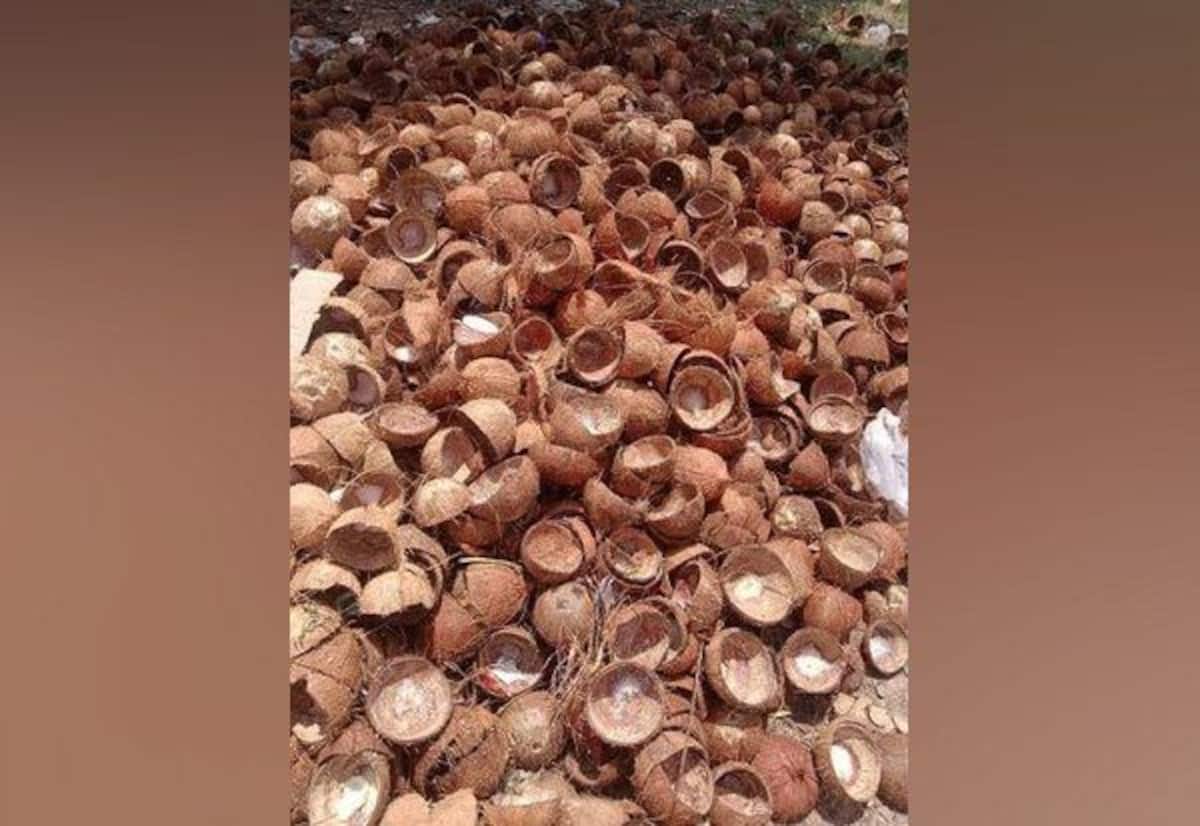
According to the association, the prices of coconut shells in southern Indian states have risen uncontrollably. This spike has directly increased the cost of producing activated carbon, a critical material used in water purification, air filtration, and gold recovery. Consequently, Indian exporters are finding it nearly impossible to maintain competitive pricing in the global arena.
The China Factor
The situation is further complicated by the strategic maneuvers of Chinese manufacturers. These firms are reportedly procuring whole coconuts from Indonesia and the Philippines, processing the shells into activated carbon, and exporting the finished product to Africa and Europe at significantly lower prices. This vertical integration and sourcing strategy have put Indian manufacturers at a severe disadvantage.
Why This Matters
BozokMedia analysis shows that this is not merely a pricing issue but a strategic supply chain failure. If India fails to stabilize the cost of raw materials, it risks losing its foothold in the high-value carbon market to East Asian competitors. The shift from a dominant exporter to a struggling producer could lead to significant job losses in the agricultural processing sector.
The lack of a regulated pricing mechanism for coconut shells makes the industry vulnerable to local volatility and global predatory pricing.
To combat these challenges, the association plans to approach government officials to bring coconut shells and charcoal under the Goods and Services Tax (GST) framework. They argue that bringing these items under GST would create a structured price regulation mechanism, reducing the erratic price hikes seen in the unorganized market.
Beyond raw materials, exporters are grappling with geopolitical and logistical hurdles. Tensions in West Asia and ongoing tax disputes in the United States have disrupted trade flows. Furthermore, a critical shortage of shipping containers and available vessels has increased lead times and freight costs, further eroding profit margins.
| Month | Estimated Price (per kg) |
|---|---|
| September | ₹105 - ₹107 |
| October | ₹98 - ₹100 |
Frequently Asked Questions
Q1: Why is the government being asked to implement GST on coconut shells?
Exporters believe that GST will formalize the trade and create a price regulation system, preventing the uncontrolled price hikes currently happening in the local market.
Q2: How are Chinese companies outcompeting Indian firms?
Chinese firms source raw coconuts from Southeast Asian nations like Indonesia and the Philippines, allowing them to produce and export activated carbon to Europe and Africa at much lower costs.
