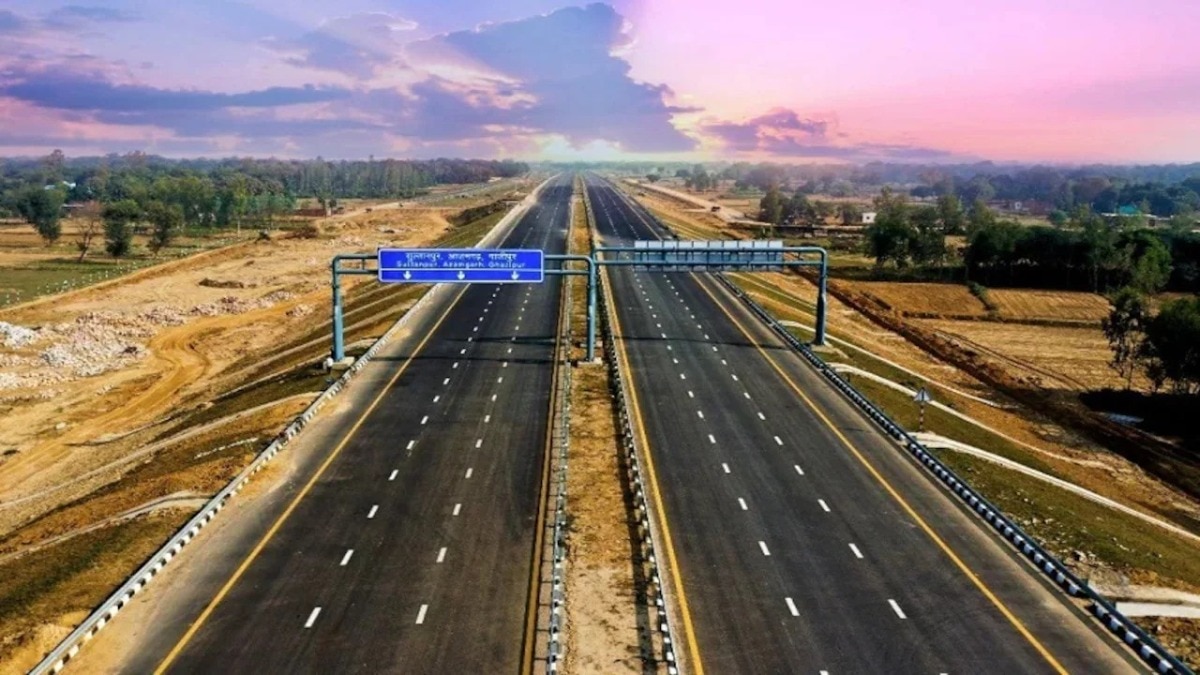
To combat rising congestion, GNIDA has proposed a massive restructuring of Greater Noida's traffic, including a 6-lane elevated road connecting the logistics hub to Jewar Airport.
- Separation of freight and passenger vehicle traffic.
- Construction of a 105-meter wide road up to Hapur Bypass.
- A 6-lane elevated road from the Logistics Hub to Jewar Airport.
- Enhanced connectivity to Ganga Expressway reducing travel time.
As industrial and logistics activities surge in Greater Noida, the Greater Noida Industrial Development Authority (GNIDA) is preparing a massive overhaul of the city's traffic management system. The authority has proposed a strategic plan to decouple the movement of heavy freight vehicles from passenger traffic, aiming to reduce urban congestion and enhance safety.
Master Plan 2041 and Infrastructure Expansion
This initiative is a core component of the upcoming amendments to the Greater Noida Master Plan 2041. During a high-level meeting in Lucknow, chaired by Industrial Development Minister Nand Gopal Gupta, officials discussed the expansion of connectivity corridors. A key proposal includes the development of a 105-meter wide road extending to the Hapur Bypass.
According to officials, this massive road will significantly improve the link between Noida-Greater Noida and the Ganga Expressway. By extending existing connectivity by approximately 15 kilometers, the travel time between these economic hubs is expected to drop to just 30 to 45 minutes, providing a massive boost to regional trade.
Seamless Connectivity: Logistics Hub to Jewar Airport
One of the most ambitious parts of the proposal is the construction of a six-lane elevated road connecting the Multi-Modal Logistics Hub (MMLH) directly to the Noida International Airport in Jewar. This corridor is designed to run parallel to the Western Dedicated Freight Corridor.
The strategic separation of freight corridors is essential for transforming the region into a global logistics powerhouse.
This dedicated elevated route will primarily serve cargo-carrying vehicles, allowing goods from the logistics hub to reach the airport's air cargo terminal without entering city streets. This will drastically minimize transit times and alleviate the burden of heavy vehicles on local urban roads.
Why This Matters
BozokMedia analysis shows that this infrastructure leap is critical for the long-term viability of the Noida-Jewar economic zone. As the Jewar Airport nears operational status, the ability to move massive amounts of cargo efficiently will determine the region's success in the global supply chain.
Frequently Asked Questions
1. How will the new plan help commuters in Greater Noida?
By separating heavy trucks from passenger cars, the plan aims to reduce traffic jams and make daily commutes safer and faster.
2. What is the significance of the elevated road to Jewar Airport?
It provides a direct, high-speed link for cargo, ensuring that industrial goods move quickly from hubs to the airport without causing city traffic.
