The Gujarat government has proposed a stringent new Bill to regulate the production and sale of livestock and poultry feed, introducing heavy fines and long-term imprisonment for adulteration.
- Proposed imprisonment of up to 10 years for adulterated feed causing animal death.
- Fines up to ₹10 lakh for severe violations.
- Mandatory licensing for manufacturing, storage, and distribution.
- Exemptions provided for self-use by farmers and research institutions.
In a major move to safeguard the animal husbandry sector, the Gujarat government has introduced a legislative proposal aimed at regulating the entire lifecycle of livestock feed, poultry feed, and mineral mixtures. The Bill, expected to be tabled in the upcoming monsoon session of the State Assembly, seeks to establish a robust framework for manufacturing, storage, distribution, and quality control.
The proposed legislation introduces severe penalties to deter unscrupulous manufacturers. If the production of adulterated feed results in the death of livestock or poultry, the offender faces 7 to 10 years of imprisonment and a fine of up to ₹10 lakh. In cases where death does not occur, the punishment includes one year of imprisonment and a fine of up to ₹5 lakh. This stringent approach highlights the government's zero-tolerance policy toward food adulteration in the agricultural supply chain.
Why This Matters
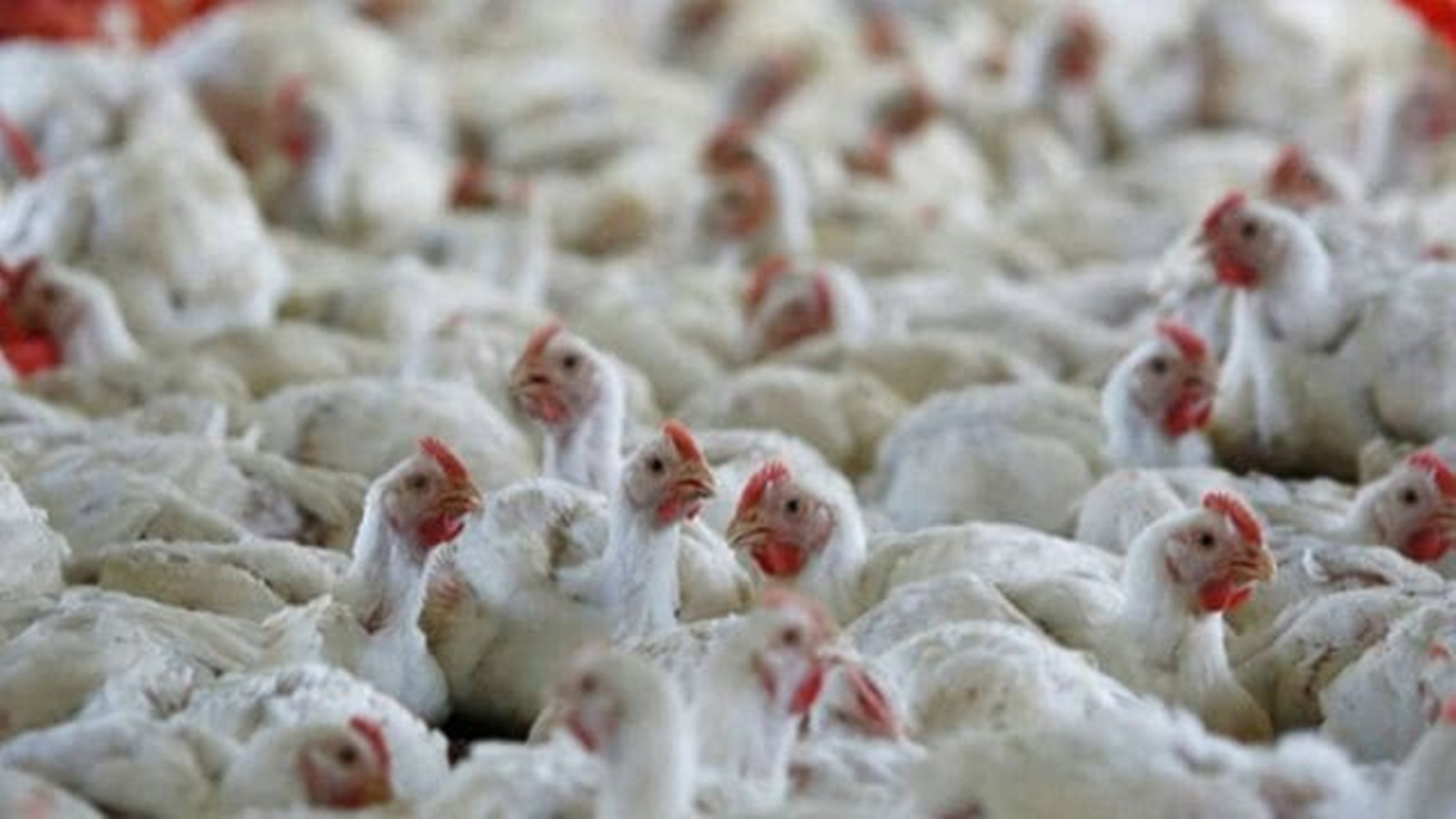
BozokMedia analysis shows that Gujarat holds a massive livestock population, including over 105 lakh buffaloes and 217 lakh poultry animals. Currently, the absence of a dedicated regulatory mechanism leaves the industry vulnerable to substandard products. By bringing all businesses under one legislative umbrella, the state aims to prevent the use of prohibited antibiotics and pharmacologically active substances, which is crucial for both animal health and human food safety.
This regulatory overhaul is a decisive step toward professionalizing the animal nutrition industry and protecting the livelihoods of millions of farmers.
Agriculture Minister Jitu Vaghani stated that the Bill is essential to ensure quality production standards and to combat mislabeling. The legislation will empower the Director of Animal Husbandry as the Controlling Authority, while specialized officers will be appointed to conduct inspections and ensure compliance with prescribed standards.
Historical Background
Historically, the livestock feed industry in India has operated with minimal oversight, leading to frequent instances of sub-standard nutritional supplements. As India moves toward becoming a global leader in dairy and poultry exports, strict quality control measures like those proposed in Gujarat are becoming a necessity to meet international sanitary and phytosanitary standards.
Frequently Asked Questions
1. Does this law apply to farmers making their own feed?
No, the provisions do not apply to feed produced by farmers for their own livestock or by research institutions.
2. What happens if a product is misbranded?
Misbranding or misleading trade practices can lead to a penalty of up to ₹5 lakh and a license suspension for up to three years.