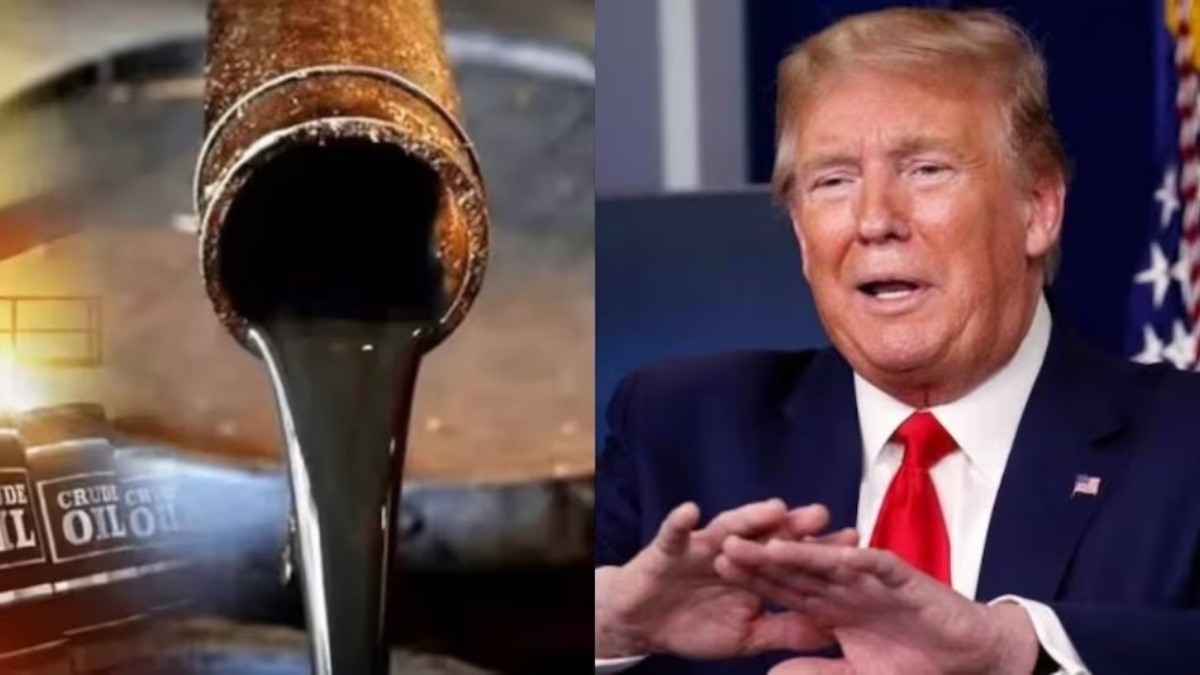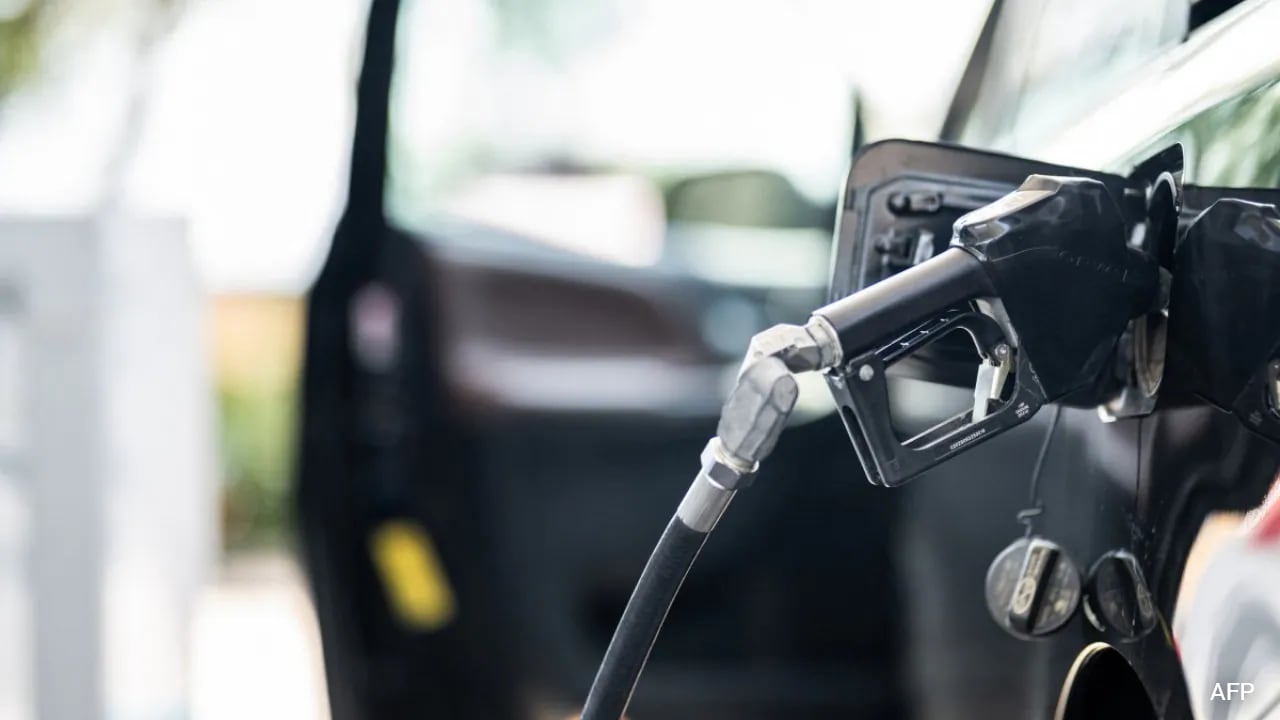
In a major shift, the Iranian government has announced a doubling of gasoline prices for heavy users to combat escalating economic pressures.
- Iran has doubled gasoline prices specifically targeting heavy fuel consumers.
- The price hike is attributed to the country's 'current economic situation.'
- Revenue generated from the hike will be redistributed to households as financial aid.
In a move that signals deepening economic distress, the Iranian government has announced a significant hike in gasoline prices, specifically targeting heavy users. For generations, access to low-cost fuel has been viewed by Iranians as a fundamental birthright and a pillar of social stability. This sudden shift marks a critical turning point in the nation's fiscal policy.
While the official announcement avoided direct mention of the ongoing geopolitical tensions with the United States, officials cited the "current situation" as the primary driver for the decision. This vague terminology is widely interpreted by analysts as a reference to the crushing weight of international sanctions and the resulting domestic inflation that has crippled the national budget.
Why This Matters
BozokMedia analysis shows that this decision is a high-stakes gamble for the Iranian administration. By reducing fuel subsidies, the government aims to stabilize its dwindling reserves, but it risks triggering widespread social unrest. In Iran, fuel prices are inextricably linked to the cost of living; any surge in energy costs ripples through the entire economy, affecting everything from food prices to transportation.
The removal of fuel subsidies in Iran is a delicate balancing act between fiscal necessity and maintaining domestic social order.
To mitigate the potential backlash, the government has pledged a compensatory mechanism. Officials stated that the extra revenue generated from the price increase will be redirected back to households in the form of direct financial assistance. This attempt to cushion the blow for the most vulnerable segments of the population is intended to prevent a total collapse of purchasing power among the working class.
Historical Background
Historically, Iran has utilized its vast petroleum wealth to heavily subsidize energy for its citizens. This policy served as a social stabilizer for decades. However, the combination of reduced oil revenues due to sanctions and the devaluation of the national currency has made the current subsidy model unsustainable for the state.
Frequently Asked Questions
Question 1: Who is most affected by this price hike?
Answer: The increase specifically targets 'heavy users' rather than the entire population uniformly.
Question 2: How will the government compensate citizens?
Answer: The government plans to distribute the additional revenue to households to offset the increased costs.