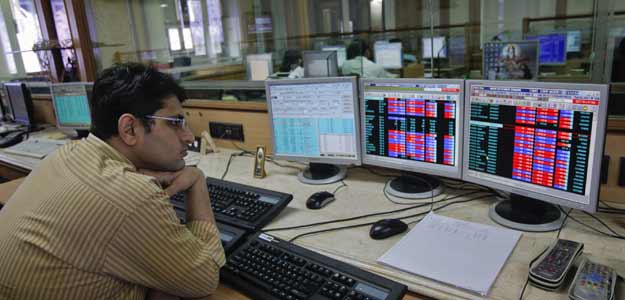
The NSE Closing Auction Session (CAS) witnessed a massive ₹39,718 crore turnover in just 15 minutes. This significant event tests the market's ability to absorb large-scale index rebalancing flows.
- NSE's Closing Auction Session (CAS) handled a massive ₹39,718 crore in just 15 minutes.
- The session serves as a stress test for absorbing large index rebalancing flows.
- The CAS mechanism was officially implemented on August 3, 2026.
In a landmark moment for the Indian equity markets, the National Stock Exchange (NSE) reported an extraordinary turnover of ₹39,718 crore during its Closing Auction Session (CAS). This massive volume occurred within a narrow 15-minute window, marking a significant milestone in market liquidity testing.
This surge is particularly critical as it coincides with periods of index rebalancing. During such times, passive and active funds must adjust their holdings to align with new index compositions, often leading to massive, concentrated buy or sell orders that can destabilize standard continuous trading models.
Why This Matters
BozokMedia analysis shows that while the ₹39,718 crore figure demonstrates that the CAS can absorb significant index-rebalancing flows without immediate breakdown, it does not yet serve as a definitive guarantee of daily stability. The primary objective was to see if the mechanism could handle the 'shock' of concentrated institutional activity.
The ability to absorb nearly ₹40,000 crore in minutes is a testament to the maturing liquidity of the Indian markets.
The implementation of the CAS, which went live on August 3, 2026, was designed to mitigate the volatility typically seen in the final minutes of trading. By aggregating orders into a single auction, the exchange aims to provide a more stable closing price, preventing the 'flash crashes' or 'spikes' often seen in traditional continuous trading.
Historical Background
Historically, the closing bell has been a period of high anxiety for traders. Rapid-fire orders in the final seconds often led to skewed prices. The evolution toward an auction-based closing mechanism represents a global best practice used by major exchanges to ensure price discovery remains fair and efficient during high-stress transitions.
Frequently Asked Questions
1. What is the purpose of the Closing Auction Session?
It is designed to facilitate orderly price discovery and manage high volumes during the market close.
2. Does high volume mean the market is stable?
Not necessarily; high volume shows liquidity, but stability depends on how well the mechanism manages price volatility during that volume.