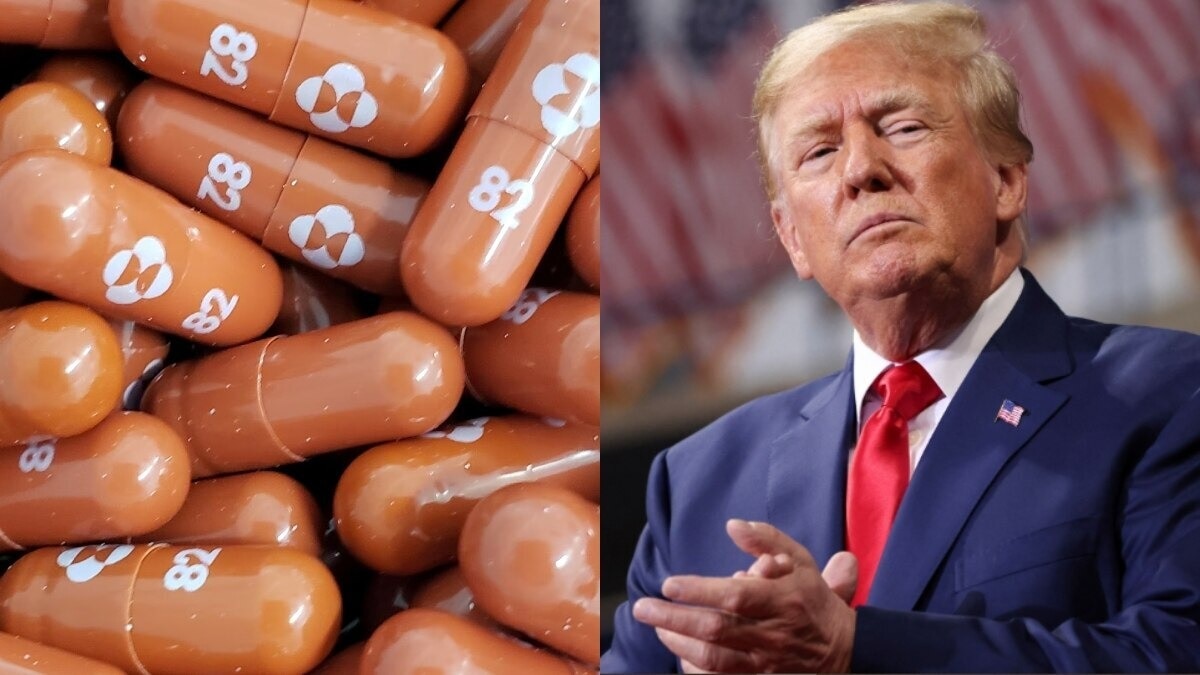
Sun Pharma has entered a landmark agreement with the US government to lower drug prices and expand domestic manufacturing, potentially redefining how Indian pharma companies operate in the American market.
- Sun Pharma agreed to lower medicine prices and increase US-based manufacturing to secure tariff relief.
- The deal shifts the strategy from an 'export-only' model to a 'localized production' approach.
- This move is part of the US administration's push for domestic supply chain resilience and affordable healthcare.
When Sun Pharma struck a deal with the US government to lower prices for certain medicines and expand its American manufacturing commitments, it did more than secure relief from a potentially punishing tariff regime. It provided a blueprint for the future of Indian drugmakers in the world’s largest pharmaceutical market.
For decades, the Indian pharmaceutical industry has thrived on a model of high-efficiency manufacturing in India followed by global export. However, this new bargain—access and protection in exchange for lower prices and a deeper manufacturing footprint—marks a significant structural shift. The core question has evolved from how much can be sold in the US to how much must be made within US borders.
Why This Matters
BozokMedia analysis shows that this agreement is a strategic hedge against increasing economic nationalism. By transitioning toward 'onshoring,' Sun Pharma is not just avoiding tariffs but is embedding itself into the US critical infrastructure. This reduces the risk of geopolitical friction and allows the company to leverage political goodwill to secure long-term market stability.
Namit Joshi, chairman of the Pharmaceuticals Export Promotion Council of India (Pharmexcil), views the agreement as a win-win. He argues that such deals can reduce regulatory uncertainty and ease the pressure on corporate profitability. However, he cautioned that India must avoid over-dependence on a single market and continue diversifying its export destinations.
"The Sun Pharma deal serves as a template, but it will not be replicated uniformly; only companies with high-value portfolios can absorb the costs of localization."
The deal falls under the Trump administration's Most-Favoured-Nation (MFN) drug-pricing initiative. The goal is to align US drug prices with those of other developed nations while strengthening domestic supply chains. In return for meeting these commitments, companies can receive preferential tariff treatment, including temporary zero-tariff rates.
Industry analysts suggest that while Sun Pharma currently fits this mold best, other giants like Dr. Reddy's, Aurobindo, Lupin, and Zydus are companies to watch. The feasibility of this model depends heavily on the product mix; companies specializing in complex generics and specialty medicines are better positioned than those selling low-margin generics.
| Feature | Traditional Export Model | New Strategic Model (Sun Pharma) |
|---|---|---|
| Production Hub | Primarily India | Hybrid (India + USA) |
| Tariff Exposure | High Risk | Low/Preferential Treatment |
| Market Strategy | Volume-driven Export | Value-driven Localization |
Frequently Asked Questions
Q1: Will this deal lead to cheaper medicines for US consumers?
A: Yes, the stated objective of the MFN pricing push is to bring US drug prices closer to the lower rates found in other developed countries.
Q2: Is this a sign that Indian companies are leaving India?
A: No, it is a diversification of manufacturing. Companies will likely maintain Indian hubs for global supply while using US hubs specifically for the American market.