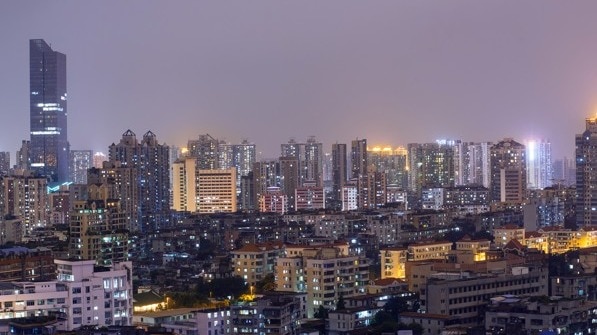
Surat is emerging as a dominant force in India's consumption map, challenging traditional metros. According to 'The Many Urban Indias' report, the city's per-household spending has now exceeded that of Bengaluru.
- Surat is now the 7th largest consumption market in India.
- Per-family average spending in Surat is higher than in Bengaluru.
- The city's consumption market is valued at $34 billion, surpassing Pune and Ahmedabad.
- A rapid increase in middle and high-income households is driving this trend.
For decades, the narrative of consumption in India revolved around the 'Big Six' metros: Mumbai, Delhi, Bengaluru, Chennai, Hyderabad, and Kolkata. However, a new economic map is emerging, and at its center is Surat. The city is rapidly evolving into a consumption powerhouse, challenging the dominance of traditional metropolitan centers.
According to 'The Many Urban Indias' report, Surat has been categorized as a 'Boomtown'—a group of 19 fast-growing cities including Pune, Ahmedabad, and Lucknow. With a consumption market of $34 billion, Surat has not only leaped ahead of other regional hubs but has also shown a per-household spending pattern that rivals and sometimes exceeds that of Bengaluru.
Why This Matters
BozokMedia analysis shows that the rise of Surat signifies a structural shift in India's urban economy. Wealth is migrating from administrative capitals to entrepreneurial hubs. This 'Boomtown' phenomenon indicates that the future of retail and luxury services lies in cities where industrial productivity—like textiles and diamonds—directly translates into high disposable income for the residents.
"Surat's ascent is not just about rising incomes; it is a reflection of the growing confidence and evolving lifestyle of India's urban middle class."
The engine behind this surge is Surat's world-renowned Textile Industry and Diamond Trade. These sectors have created a vast pool of high-net-worth individuals and a rapidly expanding middle class. In fact, the average household income in Surat now exceeds that of Hyderabad, Chennai, and Kolkata.
Consumption patterns are also shifting. Urban families are spending less on food (now around 31%) and more on services, housing, transport, and education. In Boomtowns like Surat, the average per-family expenditure reached ₹12.2 lakh, growing at a compound annual rate of 10.5% over the last decade.
| City / Category | Key Feature | Spending Level |
|---|---|---|
| Surat | Boomtown | Higher than Bengaluru (Per Family) |
| Metros | Traditional Hubs | 46% share of total consumption |
| Chandigarh/Trivandrum | High Savings Cities | Highest average household consumption |
The demographic shift is equally striking. The share of middle-income families (earning between ₹6 lakh and ₹36 lakh annually) in the top 100 cities has jumped from 29% to 53% over the last decade. High-income households are growing even faster, expected to make up one-fifth of urban families by 2030-31.
Frequently Asked Questions
Q1: Why is Surat classified as a 'Boomtown'?
A: Because it exhibits an unusually high rate of growth in both population and per-household expenditure compared to other cities.
Q2: What is driving the increase in income in Surat?
A: The primary drivers are the city's dominance in the global diamond and textile markets, coupled with a strong culture of entrepreneurship.