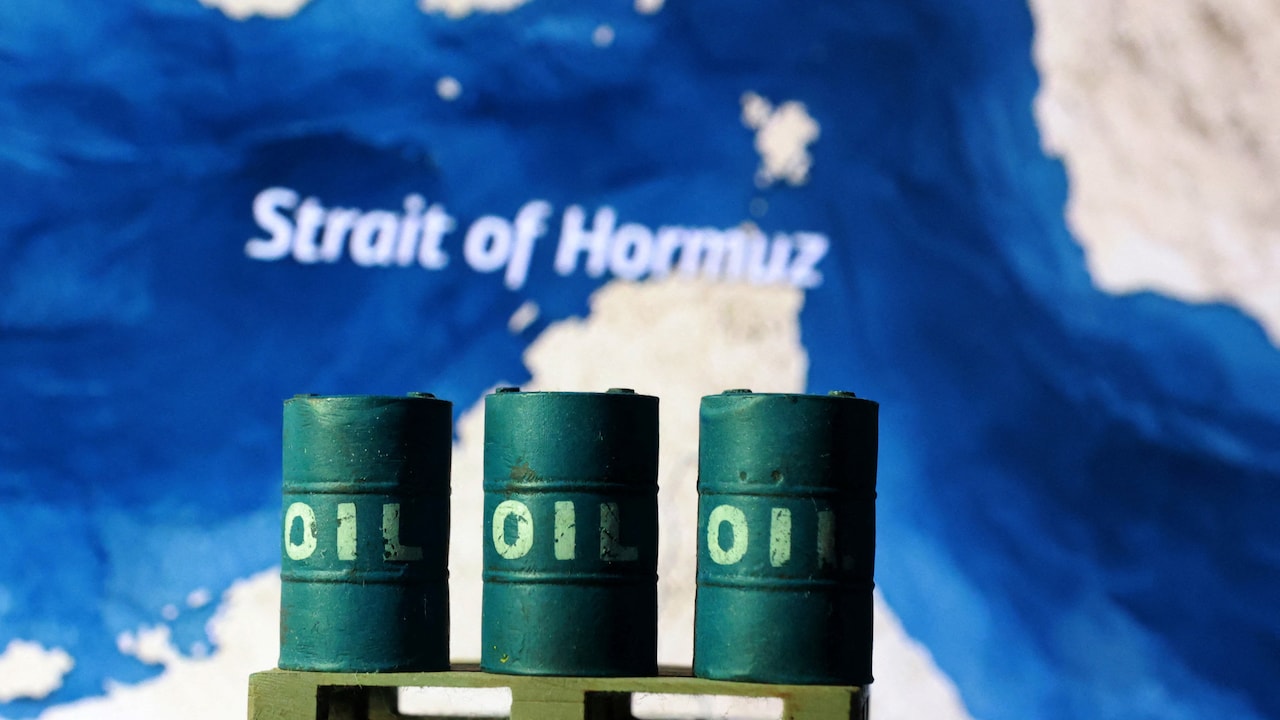
Global oil markets are reacting sharply to the escalating crisis between Iran and the US, pushing prices toward the $100 mark. Concerns over the closure of the Strait of Hormuz are fueling supply fears.
- Crude oil prices jumped over 1%, nearing the critical $100 per barrel threshold.
- Geopolitical flare-ups in the Middle East are triggering severe supply chain anxiety.
- The potential closure of the Strait of Hormuz poses a systemic risk to Saudi oil exports.
Global energy markets experienced a significant jolt on Wednesday as Crude Oil prices climbed by more than one percent, edging closer to the $100 mark. This surge is a direct consequence of the renewed hostilities between Iran and the United States, which have stoked fears of widespread supply disruptions in one of the world's most volatile regions.
The primary concern for traders and economists is the potential blockade of the Strait of Hormuz. As a critical maritime artery, any interruption in this waterway would effectively choke the flow of oil from the Persian Gulf to the rest of the world. For Saudi Arabia, this route is indispensable, and any closure would force a desperate search for alternative export channels.
Why This Matters
BozokMedia analysis shows that this price spike is not merely a market fluctuation but a precursor to potential global inflationary pressure. With energy costs acting as a baseline for production and logistics, a sustained price hike in crude oil will likely drive up the cost of living worldwide, complicating the efforts of central banks to curb inflation ahead of key economic data releases.
"The intersection of geopolitical volatility and energy dependency creates a perfect storm for global market instability."
Historically, the Middle East has been the epicenter of energy shocks. From the 1973 oil embargo to recent regional skirmishes, the correlation between political instability in this zone and oil price volatility is absolute. The current escalation suggests that diplomatic channels are failing, leaving the market vulnerable to sudden supply shocks.
| Factor | Stable Market | Conflict Scenario |
|---|---|---|
| Oil Price Range | $70 - $85 | $95 - $110+ |
| Supply Risk | Low/Managed | Critical/High |
| Inflationary Impact | Moderate | Accelerated |
Frequently Asked Questions
1. Why does a conflict in the Middle East affect gas prices in other countries?
Because oil is a globally traded commodity; a supply drop in one major region increases prices everywhere due to higher demand for limited stock.
2. What happens if the Strait of Hormuz is completely shut?
It would lead to a massive global energy shortage, skyrocketing prices, and potential economic recessions in oil-importing nations.