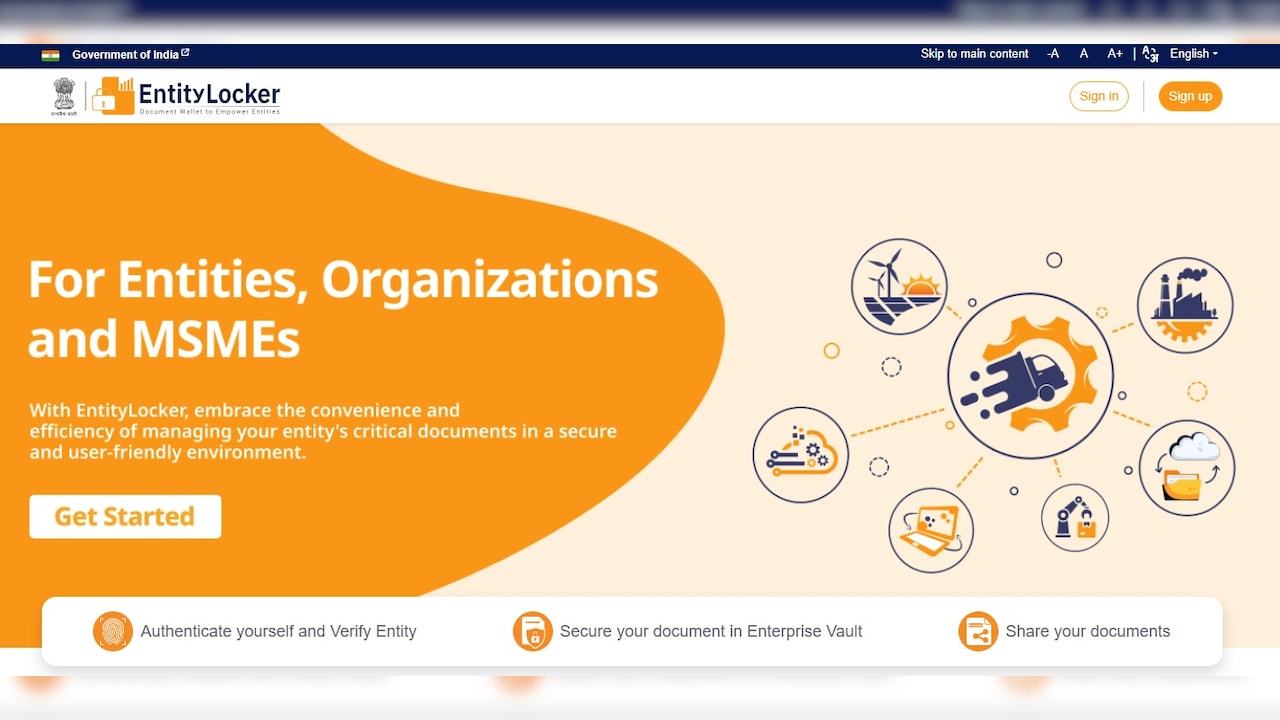
India is engaging in diplomatic discussions with Russia, the EU, and Singapore to expand its Business Wallet globally, leveraging the successful integration model of DigiLocker.
- India is negotiating with Russia, the EU, and Singapore to internationalize its Business Wallet.
- The framework is modeled after the global integration efforts of India's DigiLocker.
- Major banks from the involved regions are actively participating in these diplomatic talks.
In a strategic move to bolster its digital financial footprint, India has entered high-level diplomatic negotiations with Russia, the European Union, and Singapore. The objective is to scale the 'Business Wallet'—a digital ecosystem for corporate financial management—to a global level, facilitating seamless cross-border business operations.
The proposal is meticulously modeled on the efforts India has already undertaken to integrate DigiLocker with other nations. By utilizing a similar framework of mutual recognition and digital verification, the government aims to create a standardized digital identity and payment gateway for businesses operating across these diverse jurisdictions.
Why This Matters
BozokMedia analysis shows that this initiative is a cornerstone of India's strategy to export its Digital Public Infrastructure (DPI). By integrating Business Wallets across borders, India is not just simplifying trade but is also positioning itself as a leader in the global fintech architecture. This could potentially reduce reliance on traditional, slower correspondent banking networks and decrease transaction costs for SMEs.
"The globalization of the Business Wallet represents a shift from individual digital payments to institutional digital trust frameworks."
The involvement of commercial banks from Russia, the EU, and Singapore indicates that the project is moving beyond theoretical diplomacy into technical implementation. These banks are expected to provide the necessary liquidity and clearing mechanisms to ensure that the wallet functions effectively across different currencies and regulatory environments.
Historical Background
India's journey toward digital dominance began with the launch of Aadhaar and was accelerated by the Unified Payments Interface (UPI). Over the last few years, UPI has seen successful adoption in countries like France and the UAE. The Business Wallet initiative is the logical evolution of this trend, shifting the focus from B2C (Business-to-Consumer) to B2B (Business-to-Business) digital integration on a global scale.
Frequently Asked Questions
Q1: How will the Business Wallet benefit international trade?
A: It will streamline the verification of business credentials and accelerate payment settlements, reducing the time and cost of cross-border trade.
Q2: Which entities are involved in these talks?
A: The talks involve diplomatic officials and leading banks from India, Russia, the European Union, and Singapore.