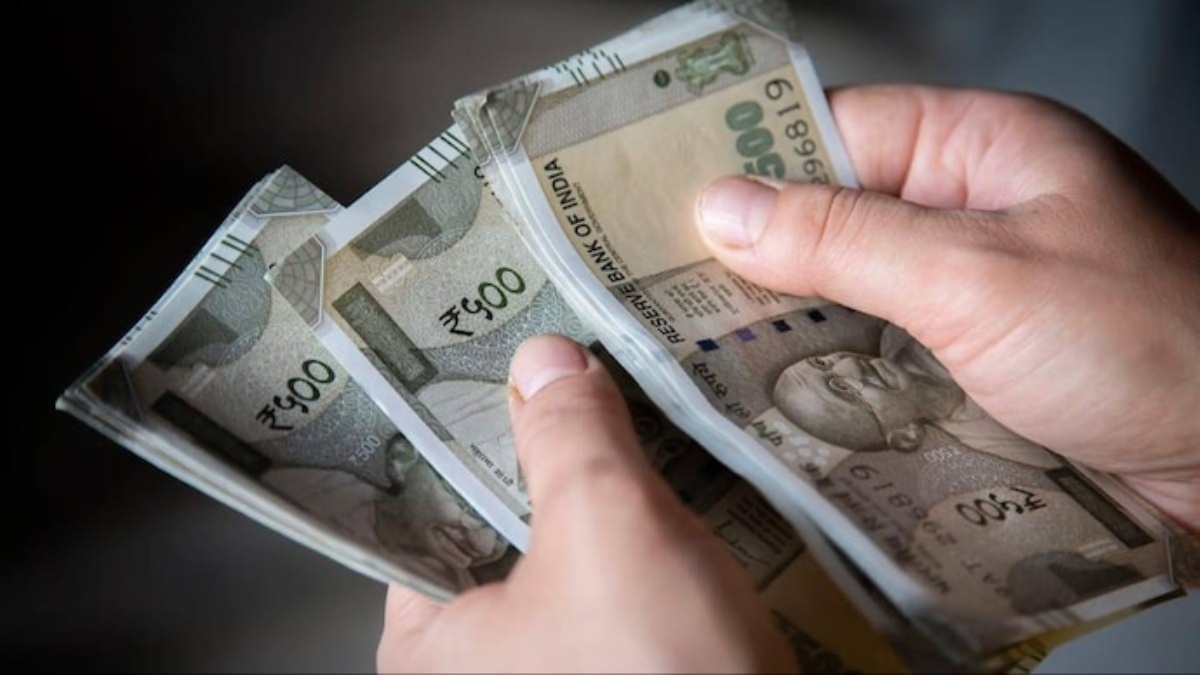
A perfect storm of geopolitical instability, surging crude oil prices, and hawkish US Fed signals is driving volatility in Indian equity markets. With the rupee breaching the 95 mark, investors brace for deeper turbulence.
- Sensex has declined by approximately 12% since the start of the year.
- Brent crude oil has surged to $100/barrel due to West Asian conflicts.
- The Indian Rupee has depreciated past the 95 mark against the US Dollar.
- Foreign investors have withdrawn $1.3 billion from Indian equities in September.
The Indian financial landscape is currently navigating a period of intense volatility. On Wednesday, the Sensex closed down 1.08%, reflecting a broader sell-off that extended to small and midcap indices. This downturn is accompanied by a significant spike in the India VIX, which rose nearly 7%, signaling heightened investor anxiety. Despite India's robust GDP growth, the stock market remains fragile, particularly in the IT sector, where the rapid integration of Artificial Intelligence is creating uncertainty regarding long-term growth trajectories.
The Crude Oil and Currency Crisis
The primary catalyst for the current instability is the escalation of conflict in West Asia. Attacks by Iran-backed Houthis on Saudi Arabian energy infrastructure have pushed Brent crude back to the $100 per barrel mark. For India, a major energy importer, the impact is severe; the Indian crude oil basket has climbed to $108.91 per barrel. This surge directly pressures the current account deficit and fuels domestic inflation.
Simultaneously, the Indian Rupee has hit a historic low, slipping past the 95 mark against the US Dollar. This depreciation is not merely a local phenomenon but a result of tighter global financial conditions and a strengthening dollar index.
Why This Matters
BozokMedia analysis shows that the convergence of high energy costs and currency depreciation creates a 'double whammy' for the Indian economy. When the rupee weakens while oil prices rise, the cost of imports increases exponentially, forcing the Reserve Bank of India (RBI) into a difficult position between supporting growth and controlling inflation.
The synchronization of hawkish US Fed signals and Middle East instability is creating a risk-off environment that disproportionately affects emerging markets like India.
Global Monetary Pressures
The global perspective is dominated by the US Federal Reserve. Recent comments from Fed Chairman Kevin Warsh at Jackson Hole have been interpreted as hawkish, suggesting an aggressive policy stance that could lead to further interest rate hikes. This has pushed US 10-year bond yields to 4.8%, making US assets more attractive and triggering a flight of capital from emerging markets.
| Indicator | Current Value/Status | Market Impact |
|---|---|---|
| Brent Crude | $100 / Barrel | High Inflationary Pressure |
| USD/INR | > 95 | Currency Depreciation |
| US 10-Yr Yield | 4.8% | FPI Outflows |
Looking Ahead: The RBI Factor
All eyes are now on the RBI’s Monetary Policy Committee (MPC) meeting scheduled for early next month. There is a strong expectation that the RBI may tighten financial conditions to defend the rupee and curb imported inflation. While the first quarter showed unexpected growth momentum, analysts expect a moderation in the second half of the year, leaving the markets sensitive to every policy shift.
Frequently Asked Questions
Q1: Why is the IT sector specifically struggling?
The IT sector is facing headwinds due to concerns over how generative AI will disrupt traditional software services and long-term revenue models.
Q2: How does the US Fed's policy affect the Indian market?
Higher US interest rates lead foreign investors to move their money back to the US for safer, higher returns, causing capital outflows from India.