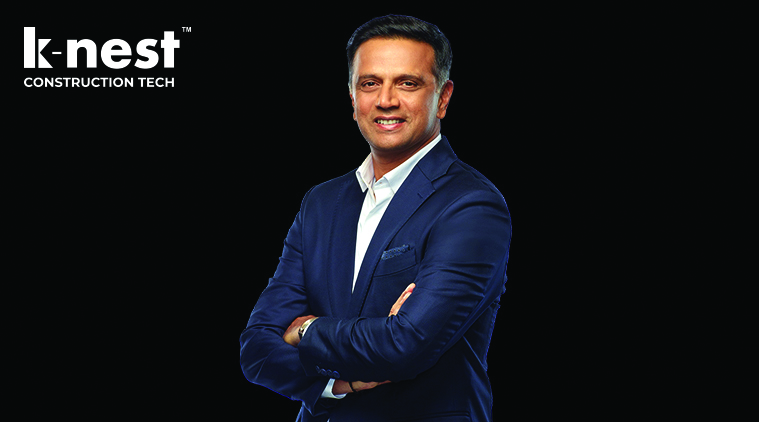
K-nest Construction Tech has pivoted towards DeepTech, introducing indigenous robotics, 3D concrete printing, and human-augmentation wearables to modernize India's infrastructure landscape.
- K-nest introduces a DeepTech suite including 3D printing, autonomous robotics, and industrial exoskeletons.
- The shift aims to move India from importing construction tech to becoming a global exporter of IP.
- Strategic alignment with India's ₹12.22 lakh crore capital expenditure budget for FY2026-27.
In a strategic pivot that signals the modernization of the building industry, K-nest Construction Tech has expanded its operations into the realm of DeepTech. The company is transitioning from a traditional construction systems manufacturer into a comprehensive technology powerhouse focused on automation, mechanization, and human-machine collaboration on physical job sites.
The new DeepTech portfolio is headlined by 3D Concrete & Construction Printing Systems. These site-scale, digitally controlled additive manufacturing systems allow for automated construction to be integrated directly into the building process, drastically reducing waste and time. Complementing this are Autonomous Quality & Inspection Robotics, which utilize BIM (Building Information Modeling) to identify discrepancies between design and execution in real-time.
Addressing the human element of construction, K-nest has introduced Industrial & Construction Exoskeletons. These human-augmentation wearables are designed to mitigate worker fatigue, enhance physical capability, and significantly improve safety during high-intensity manual tasks. Furthermore, the company has deployed precision digital sensors and self-climbing safety screens to ensure high-rise construction meets stringent safety and alignment standards.
Why This Matters
BozokMedia analysis shows that this expansion is perfectly timed with India's current infrastructure super-cycle. With real GDP growing at 7.7% and construction contributing roughly 8% to nominal GVA, the demand for efficiency is at an all-time high. By developing indigenous intellectual property, K-nest is not just optimizing sites; it is insulating the Indian economy from foreign technological dependence and creating a new export vertical for high-end engineering.
"DeepTech is not a label we want to put on conventional equipment. The engineering has to earn it through seamless integration of robotics, hydraulics, and software." - Ashish Agarwal, Co-Founder & CEO, K-nest
Historically, the construction sector has been one of the slowest to digitize. K-nest's approach blends mechanical engineering with software and field expertise, ensuring that the technology is not just advanced in a lab setting but practical and deployable on live, chaotic construction sites. This represents a shift toward "Construction 4.0" in the Indian subcontinent.
| Traditional Construction | K-nest DeepTech Approach |
|---|---|
| Manual Quality Checks | Autonomous Robot Scanning |
| High Worker Fatigue | Exoskeleton Augmentation |
| Fixed Formwork | Self-Climbing Automated Screens |
Frequently Asked Questions
1. What is DeepTech in the context of construction?
It refers to the application of advanced scientific breakthroughs—such as AI, robotics, and material science—to solve complex physical problems in building and infrastructure.
2. How do construction exoskeletons work?
They are wearable mechanical structures that support the user's musculoskeletal system, redistributing weight and reducing the strain on joints during heavy lifting.